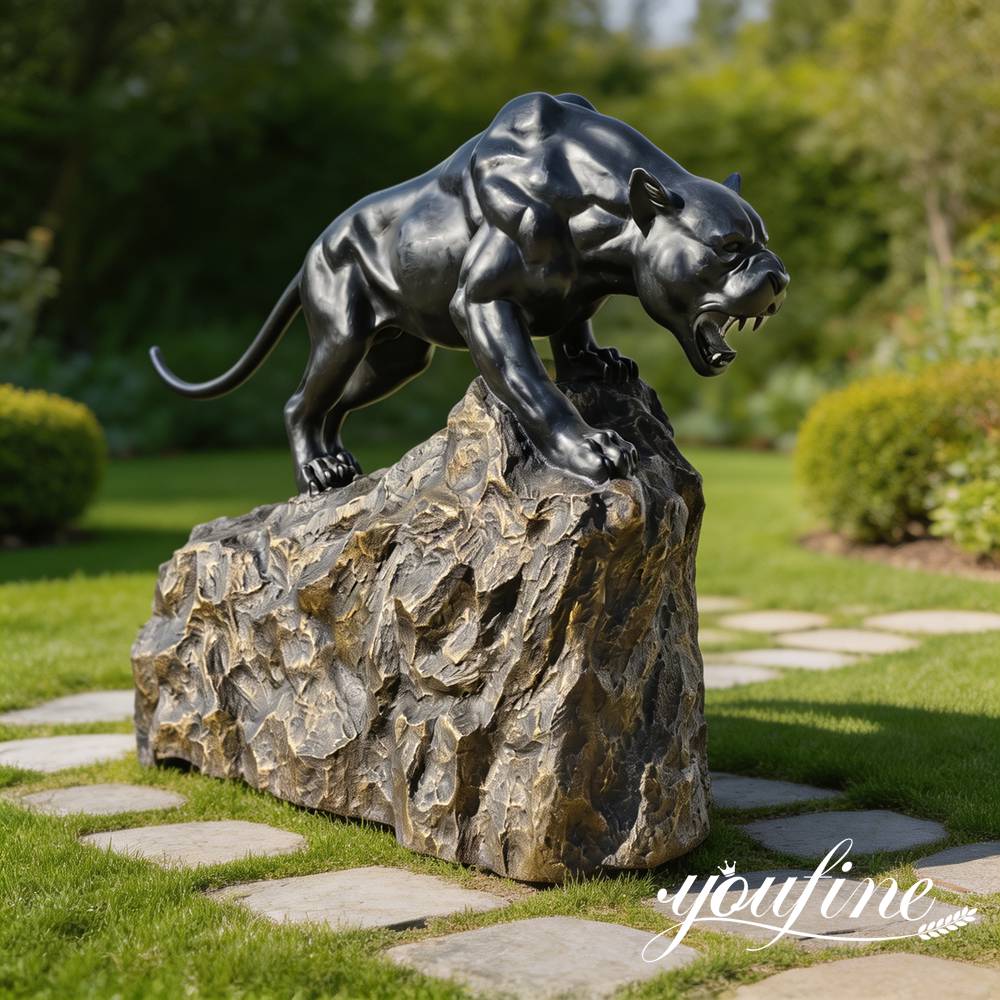
Horse statues have been admired for centuries in gardens, public squares, and private estates. But beyond their beauty, many people ask: what does a horse statue symbolize?
A horse statue commonly represents strength, freedom, power, and success. Depending on its posture, cultural background, and placement, it can also symbolize victory, nobility, leadership, wealth, and spiritual energy. From ancient war memorials to modern garden décor, horse sculptures carry deep meanings that go far beyond decoration.
In this guide, we’ll explore the symbolic meanings of horse statues, their cultural significance, and how to choose the right one for your space.
Why Are Horse Statues So Popular in Art and Culture?
Horses have played a vital role in human civilization for thousands of years. Before modern transportation, they were essential for travel, agriculture, and warfare, making them symbols of power and survival.
In art, horse sculptures—especially equestrian statues—have long been used to honor leaders, generals, and heroes. Their presence conveys authority, movement, and prestige in a way few other animals can.
Today, horse statues remain popular because they combine:
- A strong visual impact
- Deep symbolic meaning
- Versatility for gardens, estates, and commercial spaces
9 Powerful Meanings of Horse Statues
Understanding the symbolism of horse statues can help you choose one that aligns with your personal or business goals.
1. Strength and Power
Horses are naturally strong and resilient animals. A horse statue often symbolizes physical strength, endurance, and unstoppable force, making it ideal for corporate or public spaces.
2. Freedom and Independence
A running or wild horse represents freedom and the desire to break limits. This meaning is especially popular in modern landscaping and artistic installations.
3. Speed and Progress
Horses have always been associated with movement and exploration. A horse sculpture can symbolize progress, ambition, and forward momentum, making it perfect for businesses.
4. Nobility and Status
Historically, only nobles and warriors owned horses. As a result, horse statues often represent wealth, prestige, and high social status.
5. Courage and Victory
War horses symbolize bravery and triumph. Many monuments use horse statues to commemorate military victories and heroic achievements.
6. Wealth and Success (Feng Shui)
In Feng Shui, horses are powerful symbols of success, career advancement, and financial prosperity. The phrase “immediate success” is often linked to horse imagery.
7. Leadership and Authority
A horse, especially when ridden, symbolizes leadership, control, and authority, often seen in statues of kings and generals.
8. Spiritual Journey and Transformation
In some cultures, horses represent a journey between worlds, symbolizing transformation, intuition, and spiritual growth.
9. Energy and Vitality
Dynamic horse statues—especially those in motion—represent life force, energy, and enthusiasm, making them perfect focal points in gardens.
Horse Symbolism in Different Cultures
Horse statues carry different meanings across cultures, adding even more depth to their symbolism.
Chinese Culture
In Chinese tradition, horses symbolize success, speed, and loyalty. The phrase “马上成功” (success upon arrival) reflects the belief that horses bring quick achievement and career growth.
Western Culture
In Western history, horses are closely tied to knighthood, warfare, and aristocracy, representing honor, bravery, and prestige.
Greek Mythology
The mythical winged horse Pegasus symbolizes inspiration, creativity, and transcendence, often associated with art and imagination.
Spiritual Traditions
In many spiritual beliefs, horses represent freedom of the soul, inner strength, and the journey of life.
What Do Different Horse Statue Poses Mean?
The posture of a horse statue significantly affects its meaning.
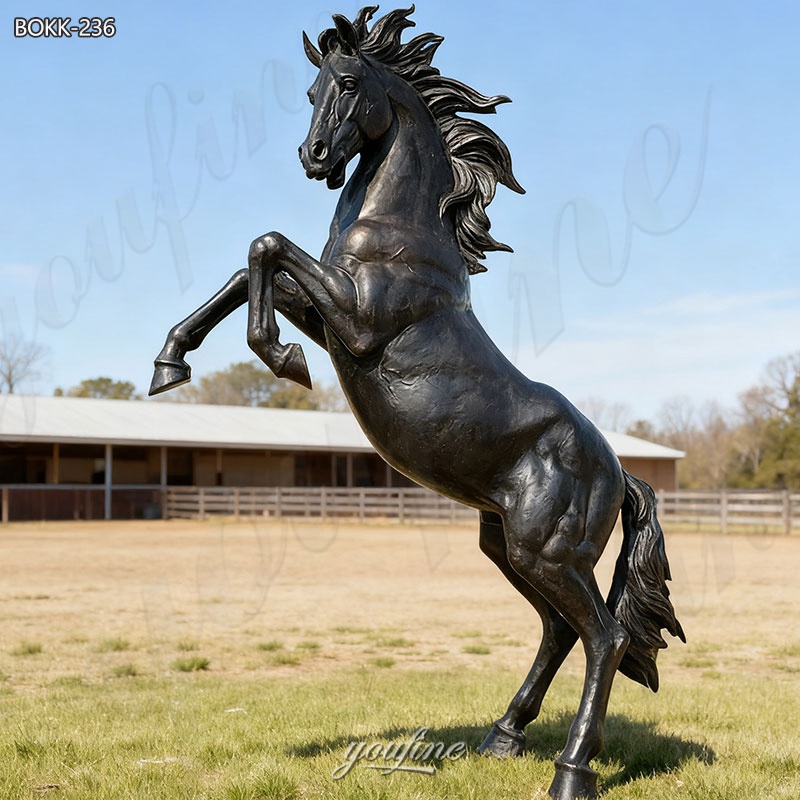
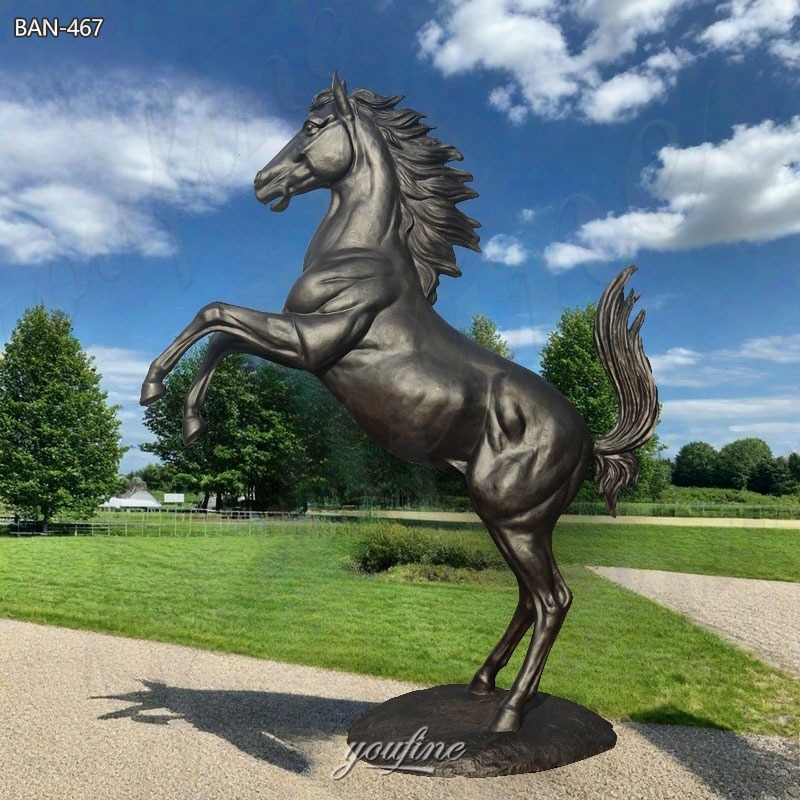
Rearing Horse (Front Legs Raised)
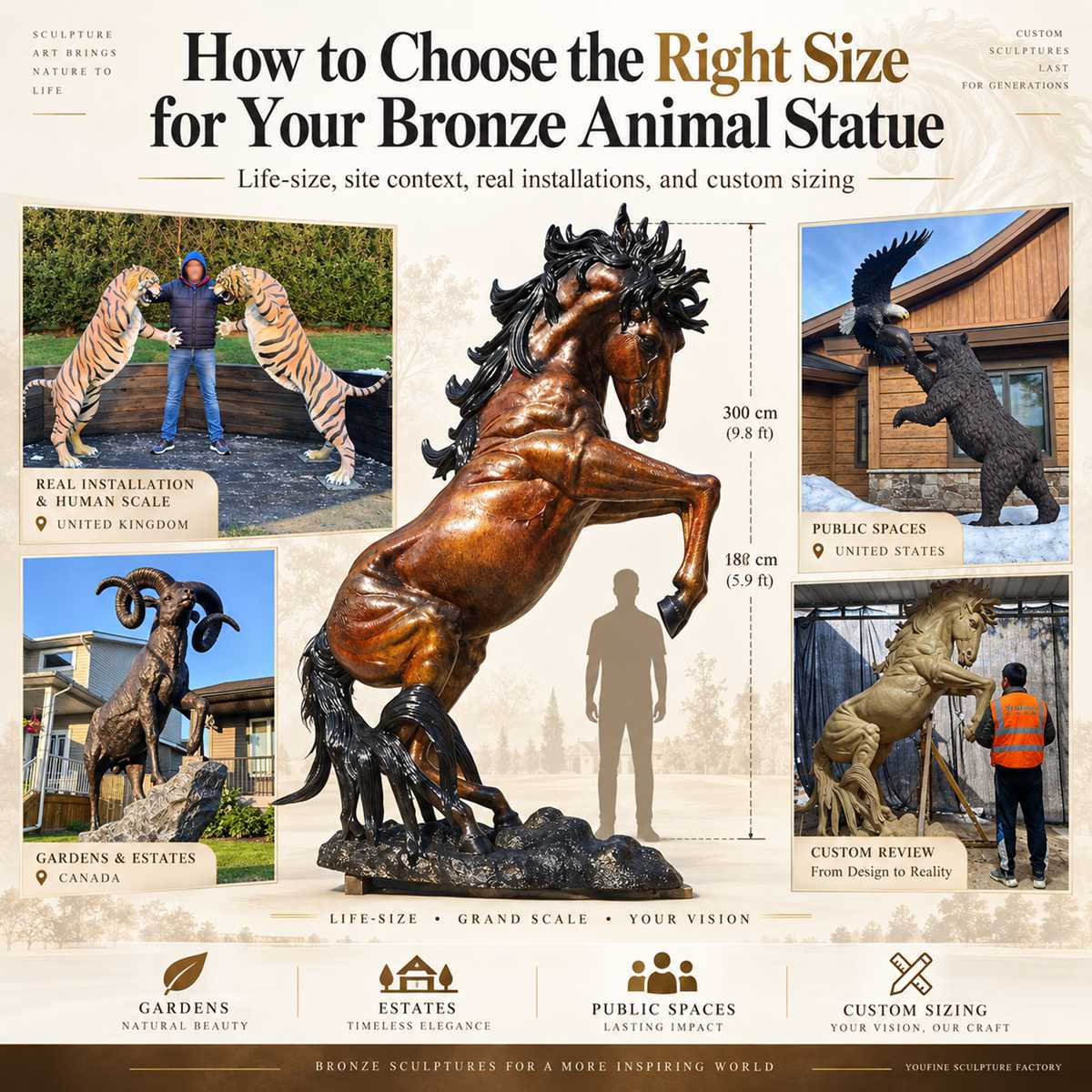
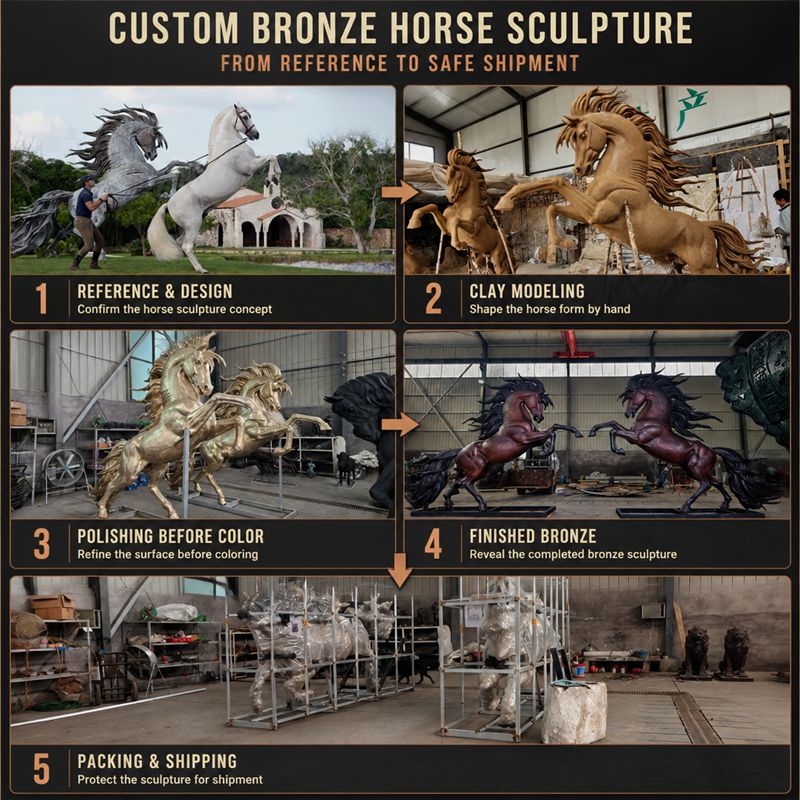
A rearing horse symbolizes power, victory, and dominance. It creates a dramatic and commanding presence.
Galloping Horse (Running)
A running horse represents speed, success, and unstoppable progress, making it a popular choice for businesses.
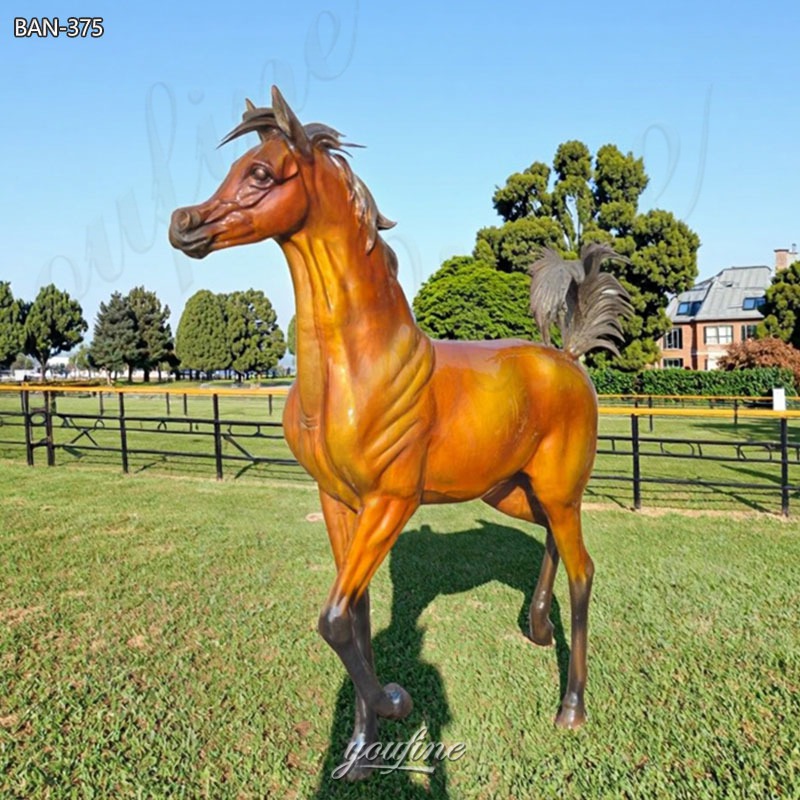
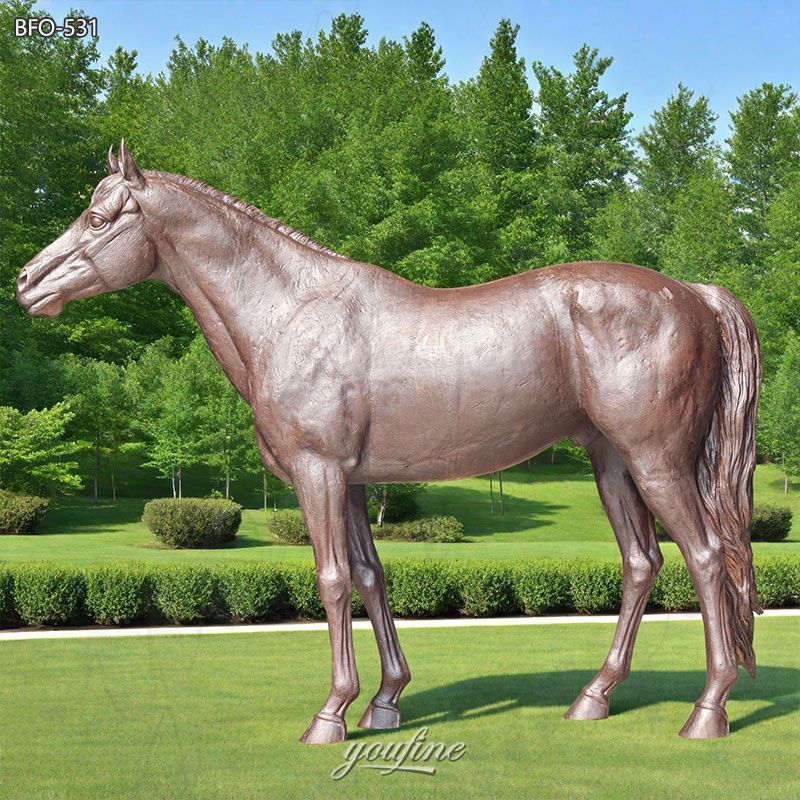
Standing Horse
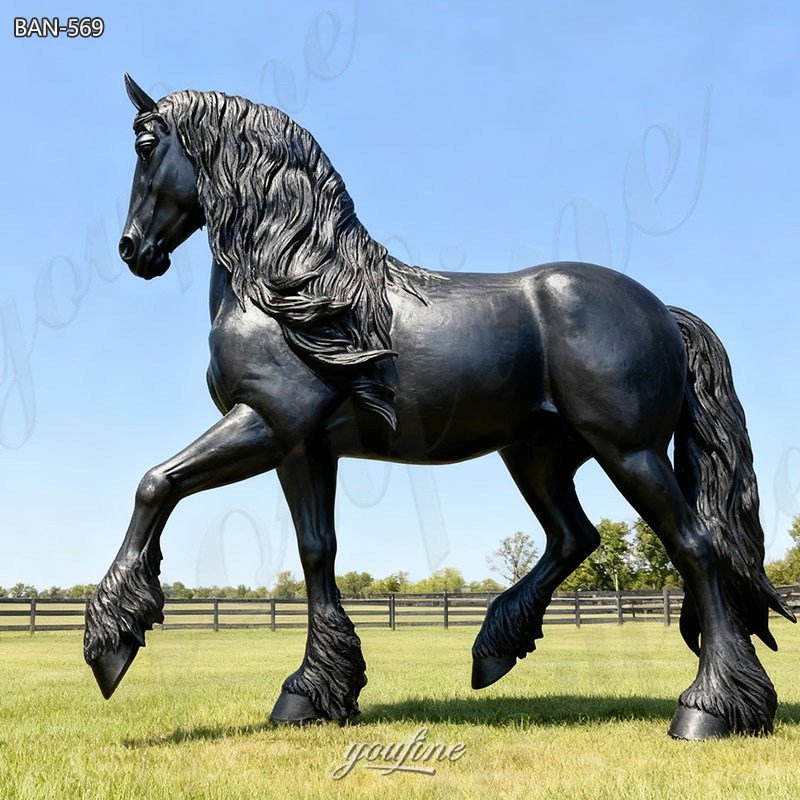
A standing horse conveys stability, balance, and calm strength, ideal for homes and gardens.
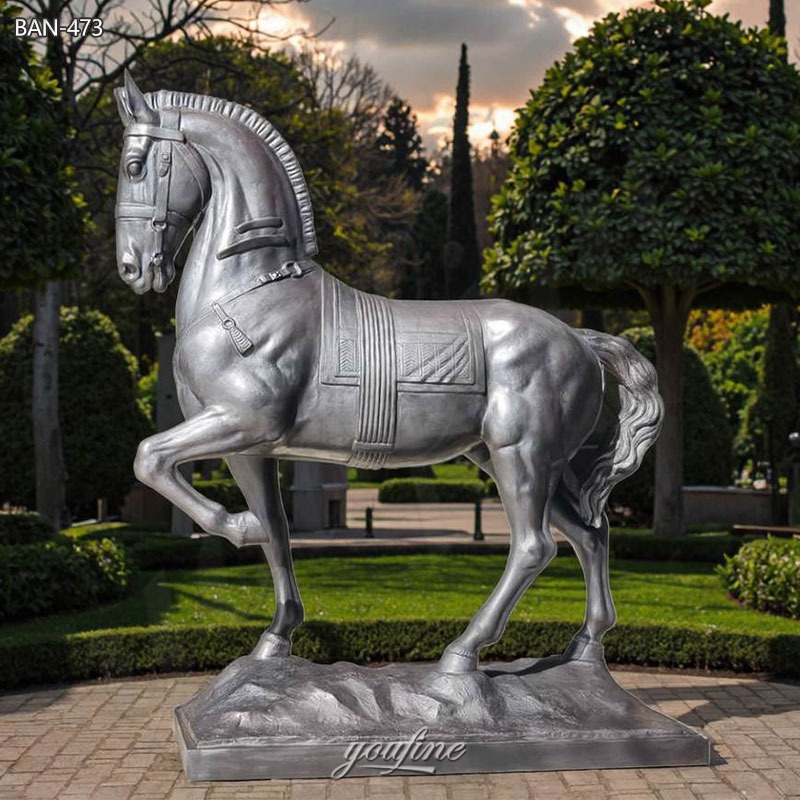
Trotting Horse
A trotting horse symbolizes steady progress and continuous growth, perfect for long-term success themes.
Is a Horse Statue Good for Home or Garden?
Yes—horse statues are considered both aesthetic and symbolic enhancements for homes and outdoor spaces.
Benefits of placing a horse statue:
- Enhances landscape design
- Brings symbolic energy (success, strength, wealth)
- Creates a focal point in gardens or entrances
In Feng Shui:
- Place horses facing inward → attract success
- Avoid pointing outward → may symbolize energy leaving
How to Choose the Right Horse Statue
Choosing the right horse statue depends on your purpose, space, and design preferences.
1. Number of Horses
Single horse → strength and independence
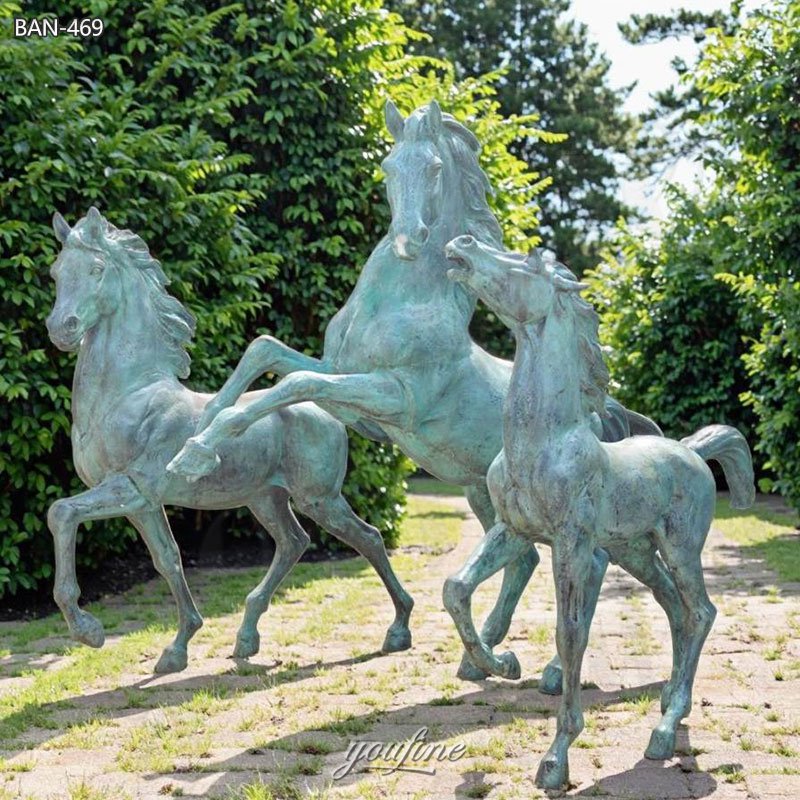
Group (e.g., 8 horses) → success, prosperity, teamwork
2. Material
Bronze → classic, durable, high-end
Marble → elegant and timeless
Stainless Steel → decorative and modern
3. Size and Placement
Large statues → public spaces, estates
Medium/small → gardens, courtyards
4. Design Style
Realistic → traditional and powerful
Abstract → modern and artistic
For more detailed info, you could learn more: How to Choose A High-quality Bronze Horse Yard Statue

FAQ
1. What does a horse statue with two legs up mean?
A horse statue with two legs raised (rearing pose) symbolizes victory, power, and dominance. It is often associated with triumph in battle, leadership, and overcoming challenges.
In modern design, it also represents ambition, energy, and unstoppable success, making it popular in business and commercial spaces.
2. What does a horse statue with one leg up mean?
A horse statue with one leg raised typically symbolizes movement, vitality, and progress. It reflects a balance between stability and forward motion, often used to represent steady success and growth.
3. What is the meaning of an equestrian statue?
An equestrian statue (a rider on a horse) symbolizes authority, leadership, and honor. Historically, these statues were used to commemorate kings, generals, and heroes, representing their power and legacy.
4. What is the difference between equestrian and horse racing symbolism?
Equestrian statues symbolize harmony, discipline, and skill between rider and horse
Horse racing statues symbolize speed, competition, and intensity
This distinction helps determine whether a sculpture conveys elegance or dynamic energy.
5. What does a Pegasus (winged horse) statue symbolize?
A Pegasus statue symbolizes freedom, imagination, and divine inspiration. In mythology, it represents creativity, transcendence, and spiritual elevation, making it ideal for artistic or cultural spaces.
6. Are horse statues suitable for businesses or farms?
Yes, horse statues are widely used in:
Farms and ranch entrances
Hotels and resorts
Corporate buildings
They symbolize strength, growth, and prestige, and help create a powerful first impression.
7. Which type of horse statue is most popular?
Some of the most popular styles include:
Rearing horse (most powerful visual impact)
Running horse (symbol of success)
Jumping horse (courage and challenge)
These designs are especially popular for large outdoor installations and commercial projects.
Conclusion
Horse statues are far more than decorative pieces—they are powerful symbols of strength, freedom, success, and cultural heritage. Whether placed in a garden, estate, or commercial space, they bring both visual impact and meaningful energy.
If you’re looking to enhance your space with a timeless and symbolic sculpture, a horse statue is one of the most meaningful choices you can make.
Looking for high-quality custom horse statues?
Explore YouFine handcrafted designs and bring your vision to life with expert craftsmanship.