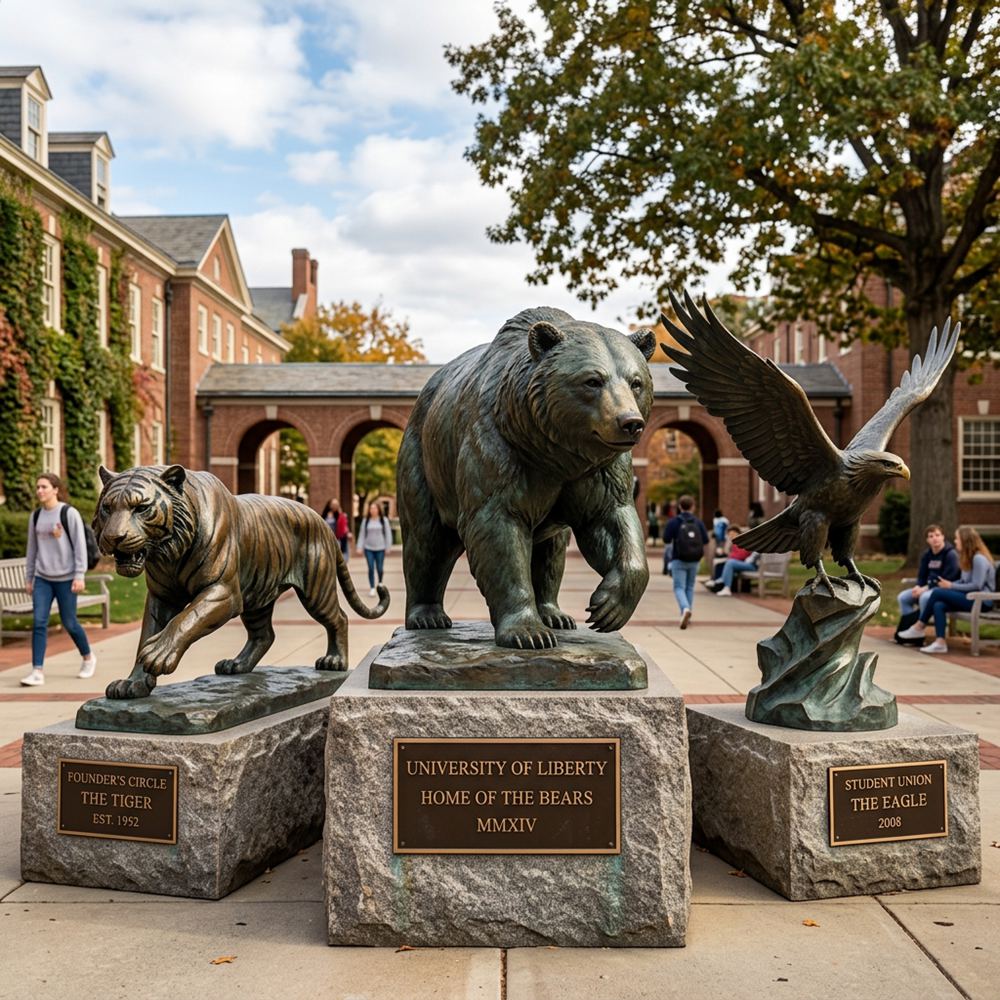
I work with the bronze casting team at YouFine, and when someone asks me which animal sculpture would suit a hotel, resort or golf club, I start with the site—not a catalog photo. A bronze animal can make an entrance memorable, give a landscape a recognizable character or create a quiet stopping point for guests. But if its pose is wrong for the setting, even a beautifully cast piece can feel out of place.
Below are ten subjects I would consider for hospitality projects. Lions and eagles can make strong arrival statements; horses, stags and bears fit broader grounds; peacocks, swans, cranes and dolphins work especially well in gardens and waterside areas. An elephant can become a landmark if there is room for its full silhouette. These are design choices, not a ranking of our sales. I also treat each animal’s symbolism as a way to tell a property’s story, not as a meaning every guest will interpret in the same way.
1. Bronze lions: Give the entrance a sense of occasion
When I look at a formal hotel entrance, a pair of lions is often the first option I consider. Lions are widely associated with guardianship, courage and authority, and two figures can give an arrival court a clear sense of ceremony. I would choose alert poses for a grand façade, but calmer seated lions if the property calls for a more welcoming mood.
Before recommending a size, I would measure the entire entrance composition—not just the height of one lion. Door width, plinth proportions, vehicle sightlines and cleaning access all affect the result. I would also want to see how the pair looks from the direction guests actually arrive. Our bronze outdoor lion pair is a useful reference for discussing pose and finish.

2. Bronze horses: Introduce movement without clutter
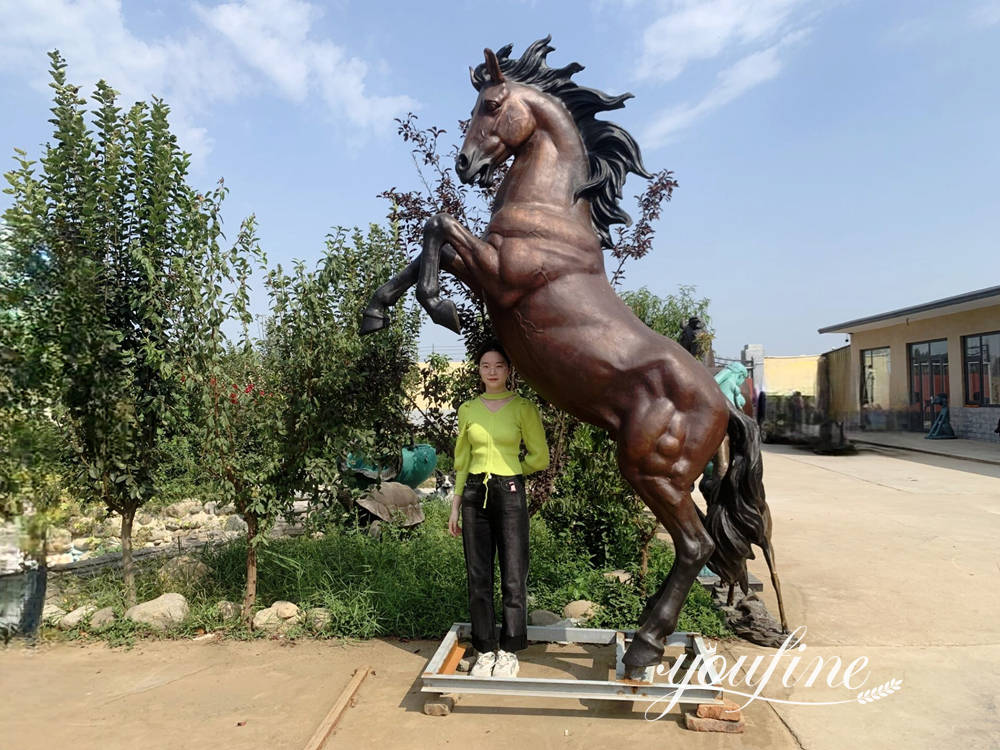
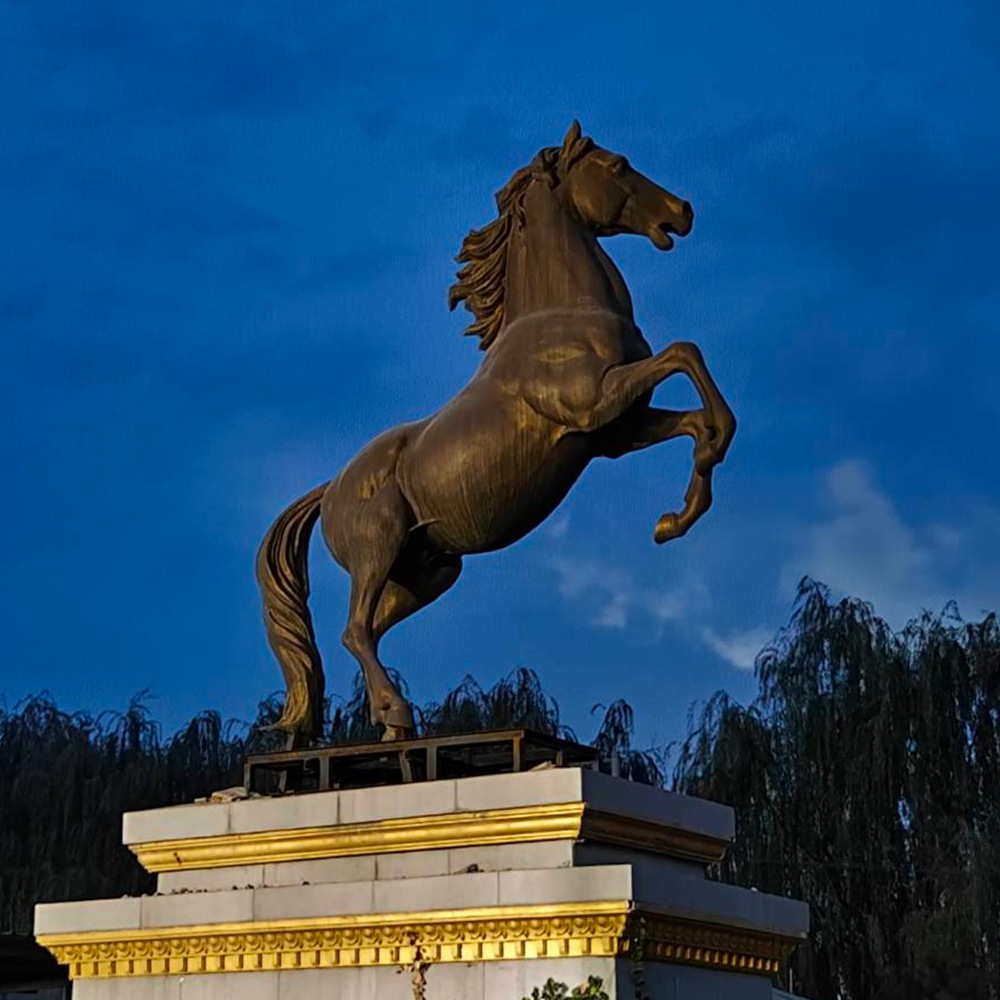
For a golf club or country resort, I like the way a horse can suggest freedom, stamina and forward movement without overpowering the landscape. A grazing pose settles into an open lawn; a standing or striding horse reads more clearly from a long driveway. If the property has an equestrian connection, the subject can reinforce that identity without copying a particular historic horse.
I would choose the pose before settling on dimensions. Our bronze grazing horse creates a slower, quieter moment. A rearing horse needs more open space, careful structural review and separation from guest circulation. To judge either design, I would ask for site photos taken from the road, terrace and clubhouse—not just a single front view.
3. Bronze stags: Connect the grounds to the landscape
A stag is one of my preferred subjects for a wooded resort or a golf property with a naturalistic landscape. Its antlers are recognizable at a distance, while the animal can suggest elegance, resilience and renewal. In some East Asian artistic traditions, deer also represent longevity: a British Museum object describes cranes and deer together as symbols of long life. I would use that interpretation only when it fits the property’s cultural context.
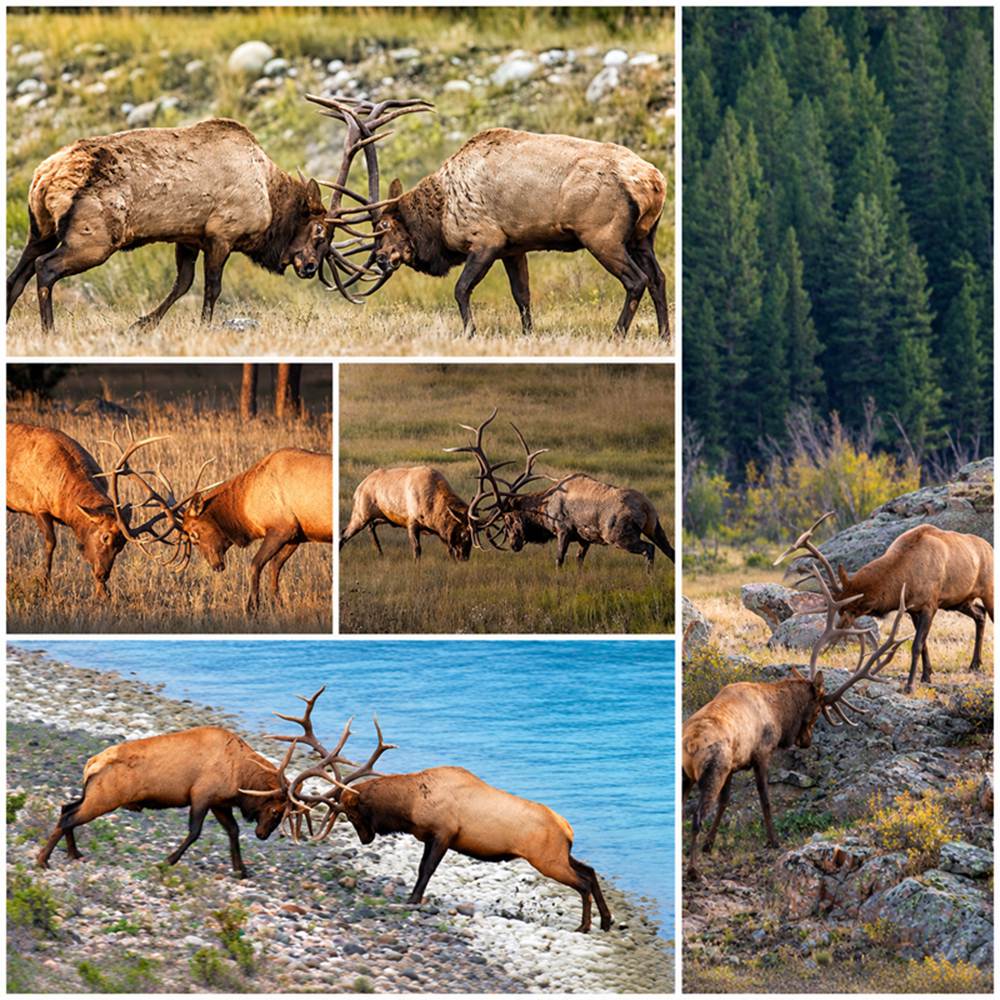
In the workshop, species accuracy matters to me. A stag, elk and moose have different bodies and antlers; I would not treat them as interchangeable when reviewing a model. A tall bronze stag sculpture also needs clearance around its head, particularly near branches, paths and maintenance vehicles. I would frame it from a nearby viewpoint, outside active golf play.

4. Bronze bears: Make a lodge feel strong and welcoming
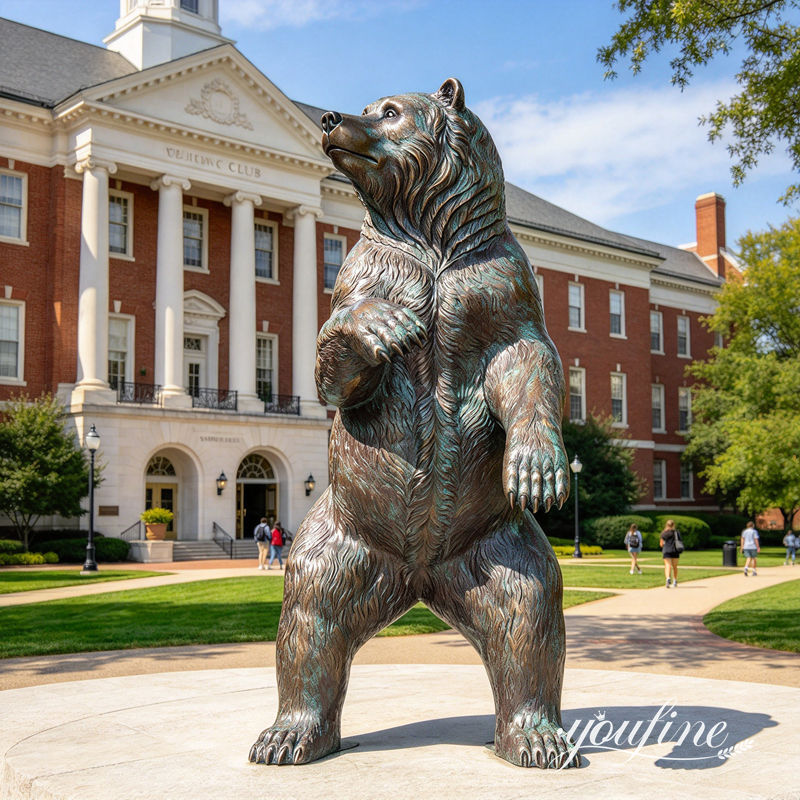
For a mountain lodge, I would consider a bear before choosing a more formal entrance animal. It can stand for strength and protection, while a gentle expression or family composition can suggest warmth. The pose makes the difference: a powerful wildlife figure and a friendly welcome sculpture tell guests very different stories.
For a reception garden, our bronze welcome bear offers one direction to discuss. When a sculpture is likely to attract family photos, I would ask the property team to review reachable surfaces, projecting details, base height and pedestrian movement before approving it. Casting the animal convincingly is only part of the job; it must also suit a public setting.
5. Bronze elephants: Create a generous resort landmark
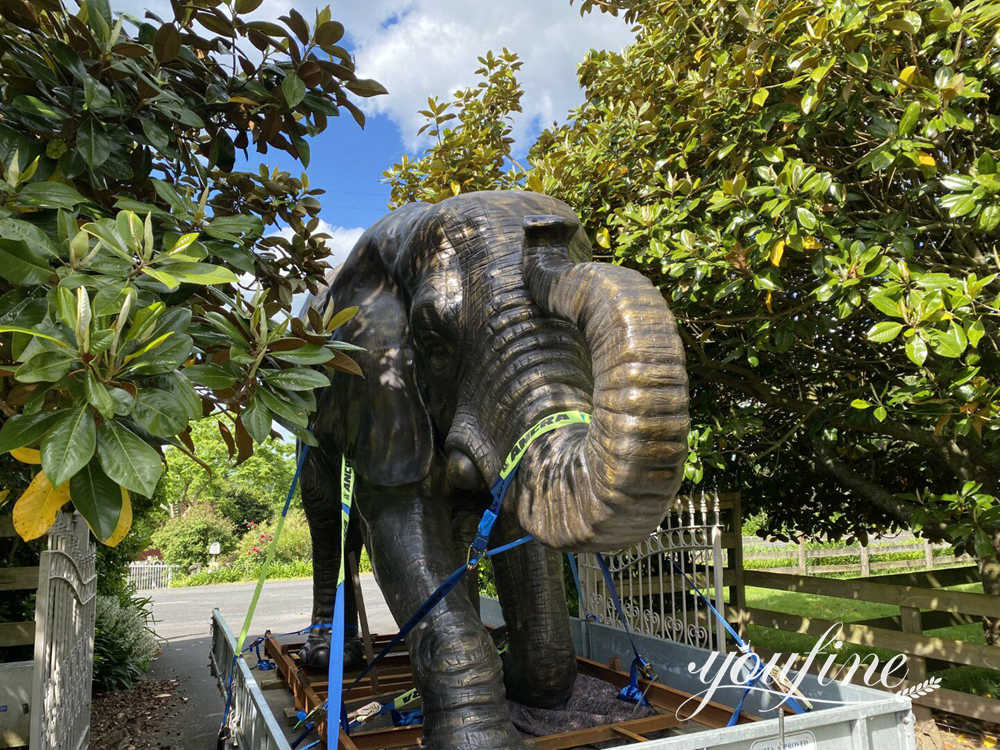
I would suggest an elephant for a destination resort with room for one substantial focal point. The animal is often associated with wisdom, memory and steadfastness; a parent-and-calf design can add a sense of care and family connection. It deserves an open setting where guests can see its whole form, rather than a narrow space that forces them to look up at it from too close.
When discussing size, I ask buyers to think beyond height. The body, trunk, base and viewing distance all take space, as does the route for unloading and moving the finished piece. I would also ask whether the design should be naturalistic or stylized before developing proportions. Our bronze elephant design is a reference point, not a substitute for a site-specific specification.

6. Bronze eagles: Reinforce vision at the clubhouse
For an elevated arrival terrace or golf clubhouse, an eagle can communicate vision, independence and resolve. I would use a spread-wing pose when the sculpture can be seen against an open backdrop; a perched eagle is a better choice if the architecture needs a more restrained accent.
Wingspan is the measurement I would check first. I would request front, side and rear views, then review clearances, wind exposure and proposed fixings with the buyer’s local structural professional. Our large bronze eagle statue shows the sort of silhouette that needs room on both sides to read clearly.

7. Peacock Statue: Add theatrical detail to a formal garden
A peacock is my choice when a hotel garden needs intricate detail rather than sheer scale. It suggests beauty, pride and display; its tail gives guests something to discover as they walk closer. I would consider one for a boutique-hotel courtyard or event garden, with a finish that matches the property’s visual character rather than assuming every peacock needs bright color.
Before finalizing a model, I would check the tail’s depth and its appearance from behind. Planting or a wall can hide the very detail the buyer is paying for. Our bronze peacock sculpture works as a design reference for a planned photo viewpoint and suitable lighting—not as a piece to lose in the middle of a huge field.

8. Bronze swans: Shape a romantic waterside pause
For a wedding garden or lakeside path, I would consider a swan pair when the desired mood is devotion, partnership and serenity. The association with partnership is not purely decorative: the U.S. Fish & Wildlife Service describes long-term pairing in tundra swans. In a hotel landscape, I find this a quieter focal point than a dramatic entrance monument.
I would arrange a bronze swan couple so both poses read as one composition from the guest path. Before production, I would want to know the finished ground level, planting and pond-edge detail. A reflection is a welcome bonus, but the sculptures must also work when viewed without it—and the installation must not obstruct a narrow waterside route.

9. Bronze cranes: Bring grace to a quiet retreat
If a resort has a contemplative garden or still-water feature, I would look at cranes for their slender, composed form. In East Asian art they can symbolize longevity; the British Museum’s description of a decorated gourd records that meaning alongside deer. The reference is worth explaining if it is part of the property’s story, rather than presenting it as a universal reading.
In a crane model, I pay particular attention to the balance of legs, neck and base from multiple angles. A bronze white crane statue could suit a pond or planted court, but I would first check whether fine projecting parts sit too close to visitors or landscape equipment. If the intended meaning calls for a crane, I would not replace it with a heron simply because the silhouettes appear similar at first glance.

10. Metal dolphin Statue: Make a coastal setting feel playful
At a family beach resort, I might suggest dolphins to bring playfulness, sociability and movement into a waterside landscape. NOAA describes dolphins as social animals, and a group composition can convey that energy without making the whole resort feel like a theme park.
When discussing a bronze dolphin poolside sculpture, my first question is whether it is a dry sculpture beside water or a functioning fountain. If water is part of the brief, pumping, pipe access, treatment, electrical work and splash control need their own specifications. I would ask the local team to keep the sculpture clear of pool edges and rescue access before approving its position.

How would I help a hotel or golf club choose a bronze animal sculpture?
I would begin with the guest journey and turn the preferred animal into a buildable brief. Our workshop can work on the pose and anatomy, but those decisions only make sense when we know where the finished sculpture will stand.
- Show me the viewing distance. An arrival landmark needs a readable silhouette from far away; a courtyard piece can reward close inspection. I would ask for photos from the main approach and the likely guest photo spot.
- Give me the full space available. I need the maximum height, width and depth including antlers, wings, tail and plinth—not just the body size. Mark paths, irrigation, doors, lighting and course-maintenance routes on the site plan.
- Discuss the finish and climate early. I would ask whether the site is coastal, poolside or otherwise exposed, and what changes in patina the property would accept. The National Park Service describes cleaning and waxing outdoor bronze works; no finish should be treated as maintenance-free.
- Review the base with local specialists. We can provide project dimensions, approximate weight and proposed fixing details, but the buyer’s engineer and facilities team should approve the foundation, access and public-space requirements before installation.
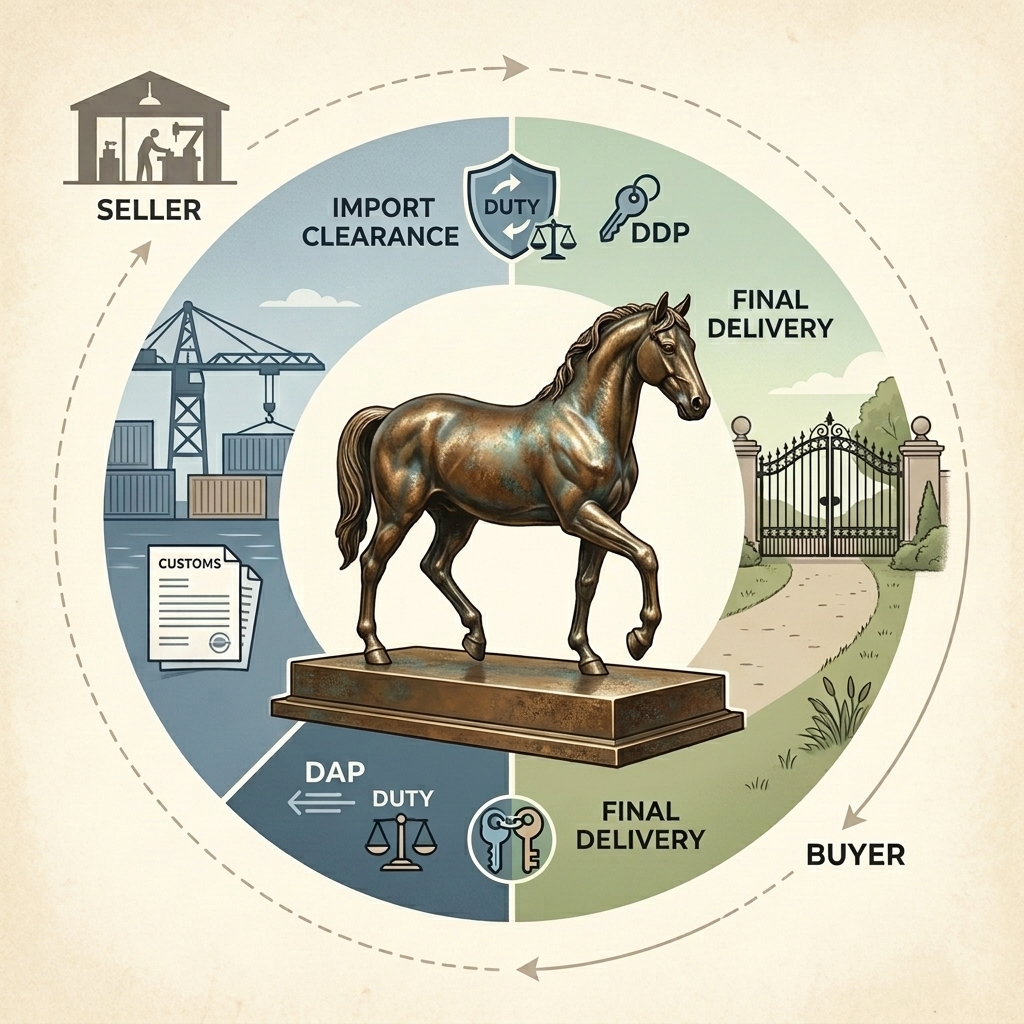
- Compare the whole delivered scope. I would ask buyers to check what the quotation includes for modeling, casting, patina, packing, freight, insurance, customs responsibilities and installation guidance. Our shipping, customs and insurance guide explains why these handoffs deserve written agreement.
Frequently asked questions
Which animal would you suggest for a luxury hotel entrance?
I would look at a lion pair for a formal, protective impression or an eagle for a more dramatic upward silhouette. If the entrance needs a gentler mood, I would discuss a horse or peacock. The architecture and clearances should decide—not a generic idea of luxury.
What would you recommend for a golf club’s grounds?
I would start with a horse or stag where the landscape is broad and natural. I would ask the course team to choose a clubhouse approach or landscaped arrival area, away from active playing and maintenance routes.
Can your bronze animal sculptures remain outdoors?
We can develop bronze sculptures for outdoor display. I would still discuss the patina and maintenance plan for the actual climate, because exposure changes the surface over time and it needs inspection and care.
Can you customize a design shown in your catalog?
Yes, a catalog design can be a reference for a custom commission. I would confirm changes to the pose, dimensions, finish and base before quoting, because they can affect modeling, structural details and the schedule. We can review the proposed design through drawings, a clay model or other project-specific references as appropriate.
What should I send you for a quote?
Please send me the animal and preferred pose, site photos, target dimensions, delivery country, intended location and finish direction. Tell me the deadline, whether the site is coastal or beside water, and whether you want a dry sculpture or a working fountain.
Work with our bronze casting team
I am part of the team at YouFine, an animal-sculpture manufacturer established in 1983 in Quyang, China. Our in-house workshop covers clay modeling, bronze casting and finishing. That allows us to discuss a project’s animal anatomy, pose, proportions, base and patina together rather than treating a catalog image as the final answer. We can provide design review and production-stage updates, then plan protective packing, shipment coordination and practical installation guidance; the exact scope belongs in your written quotation.
Have a hotel entrance, resort garden or golf-club landscape in mind? Contact our team with a site photo, the animal you prefer, approximate dimensions and your delivery country. I would be glad to help narrow the design direction and prepare a project-specific quote.