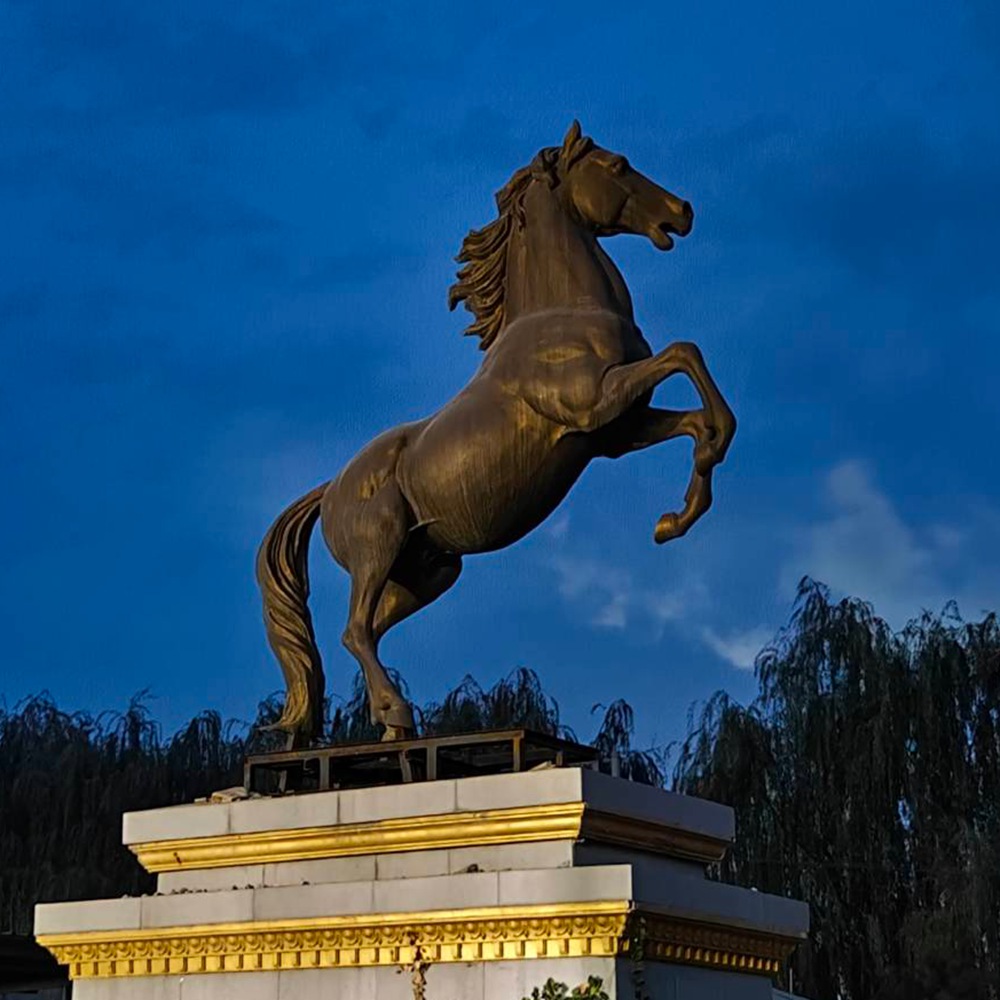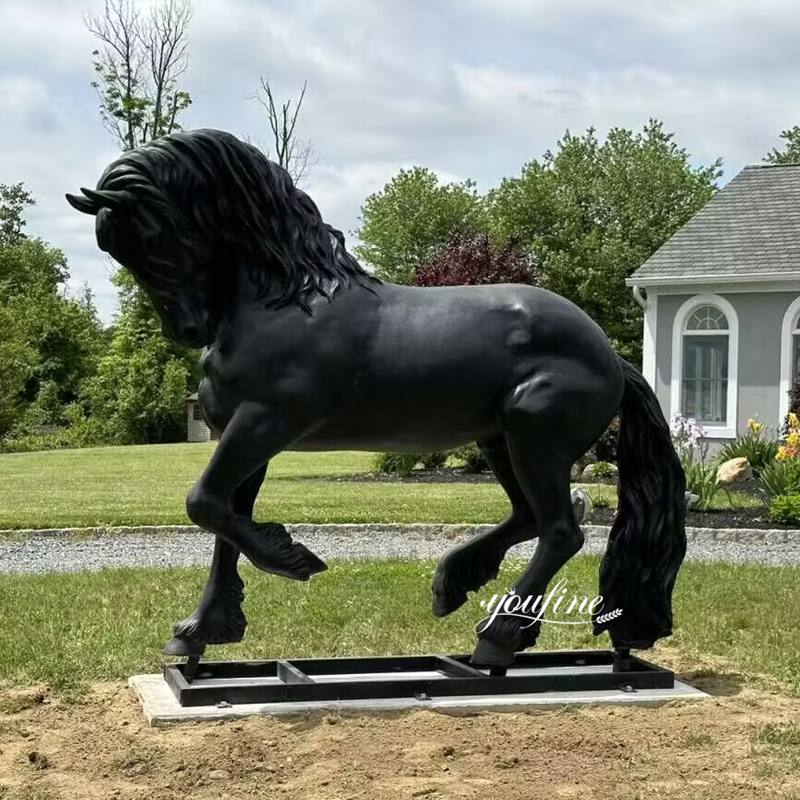
Large bronze animal statues are usually protected with multiple layers of soft materials, then packed in reinforced wooden crates or steel-frame packing depending on their size and weight. Fragile parts such as antlers, wings, ears, tails, and tusks need extra protection and support. If a sculpture is too long, too tall, or difficult to load safely, some parts may be designed as removable sections for transportation and reinstalled on site.
For large custom bronze animals, packing should ideally be considered during the production stage, not after the sculpture is finished.
How Are Large Bronze Animal Statues Packed?
At YouFine, large bronze animal sculptures are generally packed in one of two ways:
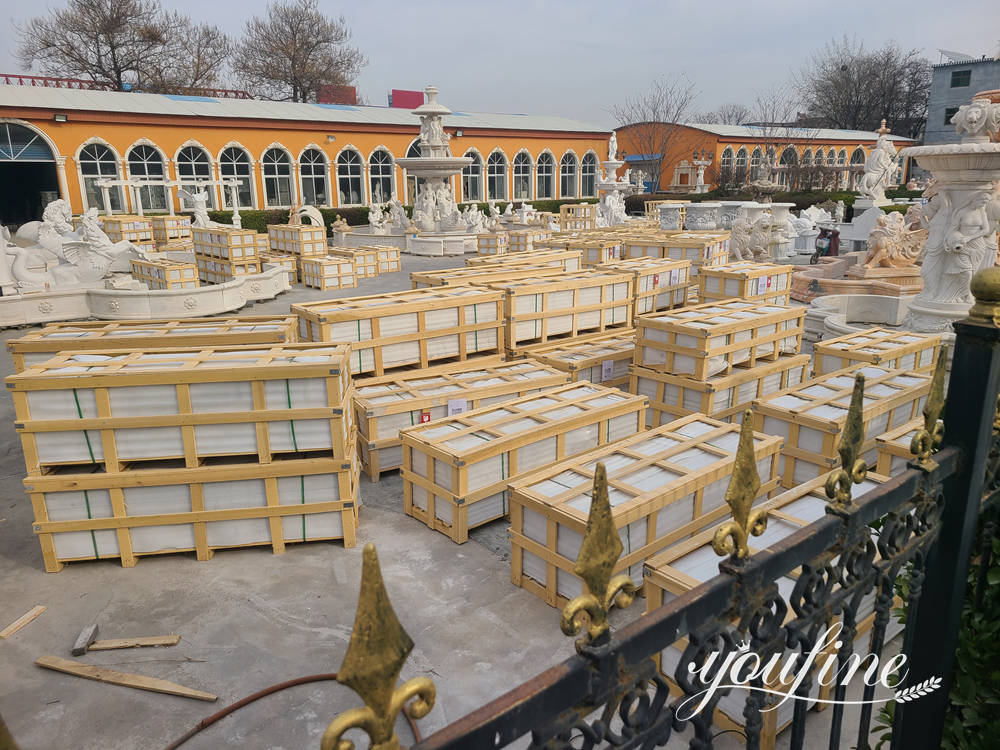
- Reinforced wooden crate packing
- Steel-frame packing
The final method depends on the sculpture’s size, weight, shape, and destination.
For medium-size sculptures, a reinforced wooden crate is often sufficient. The crate is usually designed with an open-frame structure, while thicker wooden boards are used in key load-bearing areas.
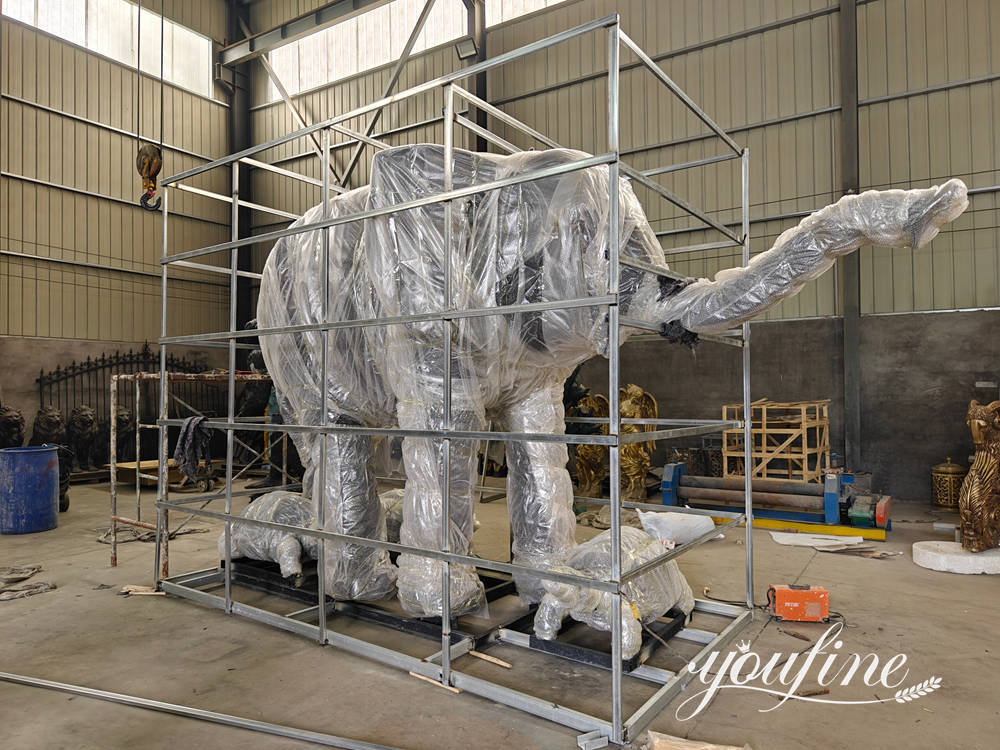
For larger and heavier bronze animals, we often use an upgraded steel-frame packing system. The metal frame provides stronger structural protection during lifting, container loading, port handling, and local transportation.
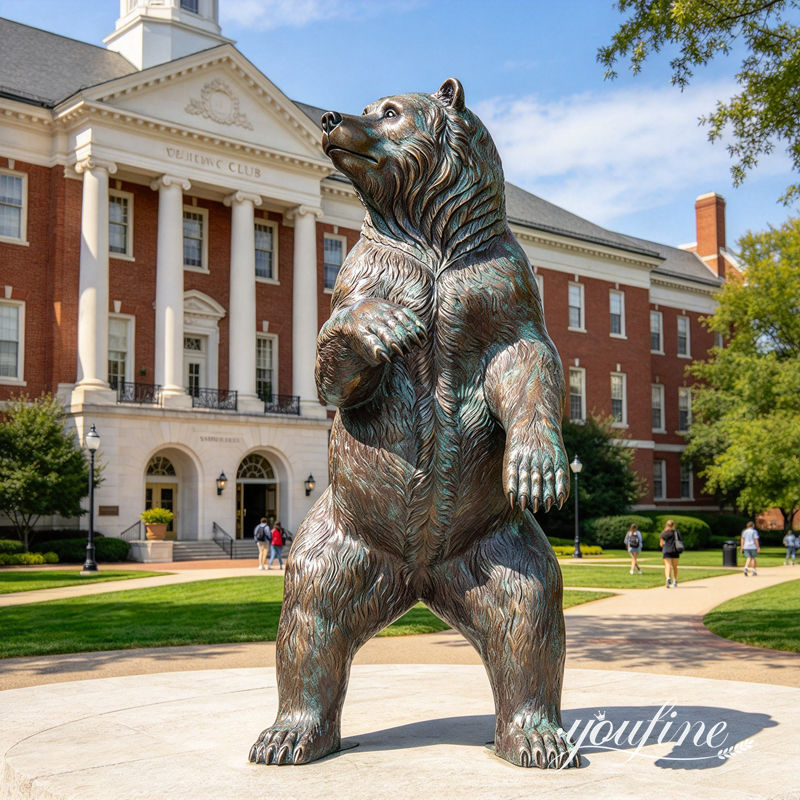
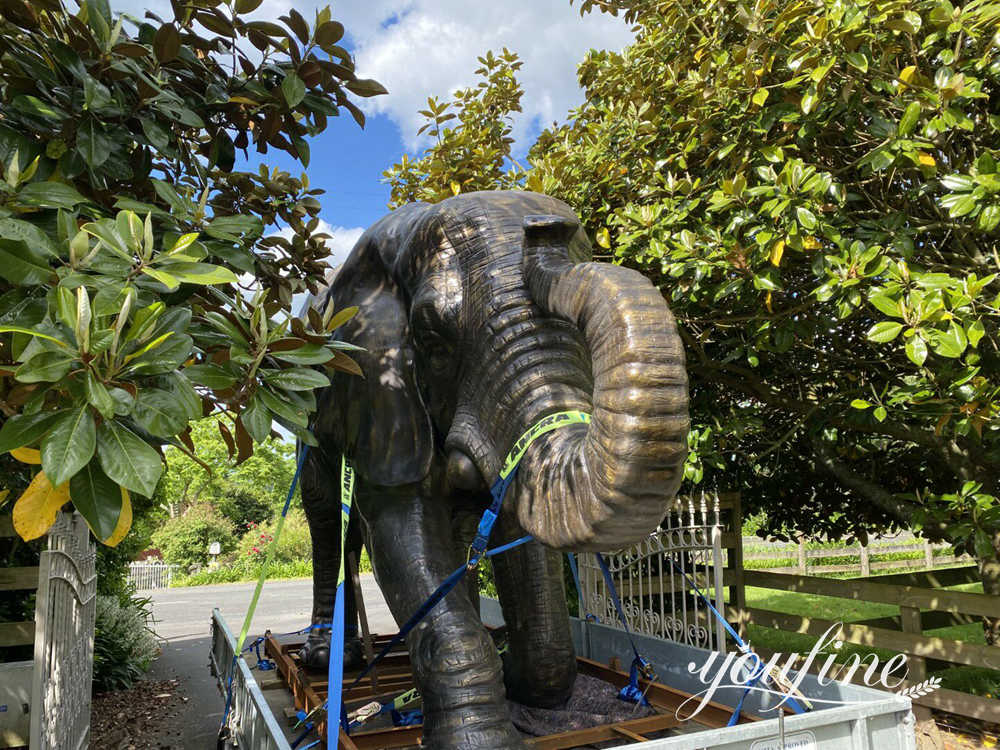
This is especially useful for large bronze bears, horses, elephants, bulls, and other heavy animal sculptures.
How Is the Bronze Surface Protected?
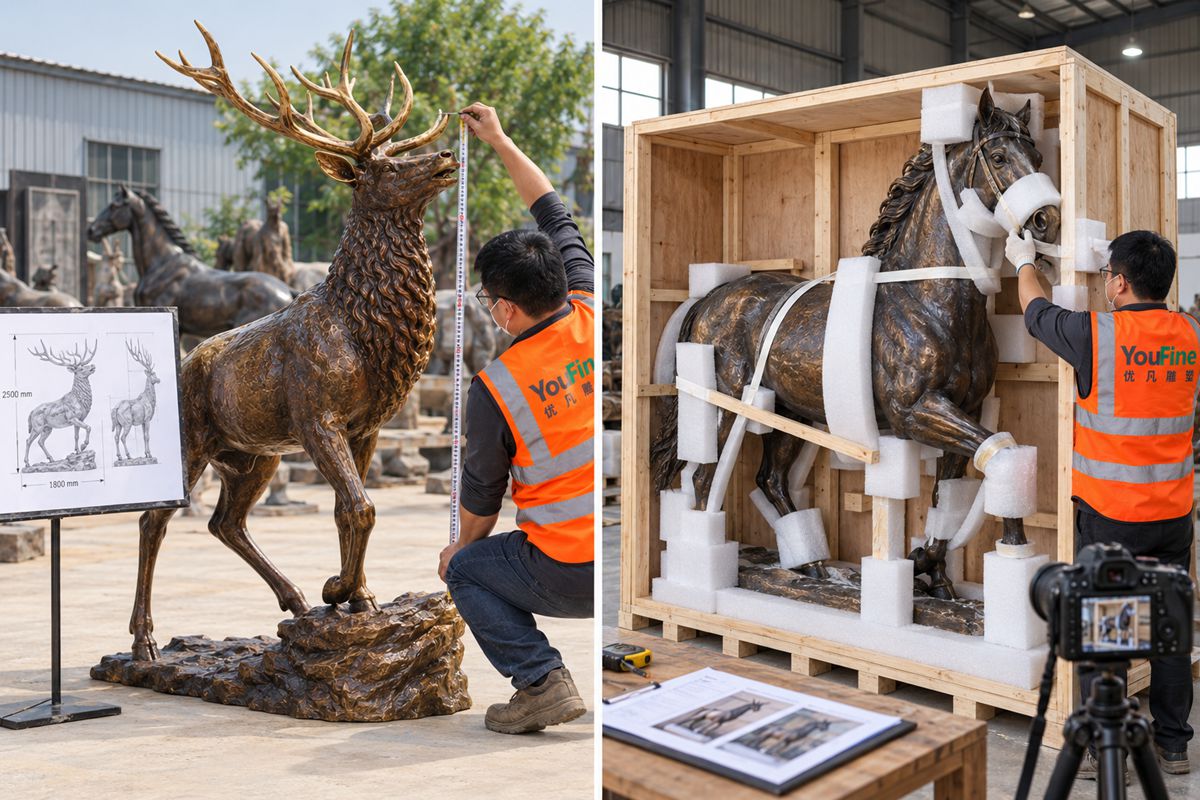
Before the sculpture is placed inside the crate or steel frame, the bronze surface is wrapped carefully.
We normally use several layers of protective material, including:
- Foam
- EPE or pearl cotton
- Plastic film
- Additional soft padding around sensitive areas
The purpose is not only to prevent scratches, but also to protect the patina and surface texture during repeated handling.
This is particularly important for realistic bronze animal sculptures because fine fur, feather, muscle, and facial details are part of the finished artwork.
How Are Antlers, Wings, Tails, and Other Fragile Parts Packed?
Large animal sculptures often have projecting parts that require more attention than the main body.
Common examples include:
- Deer and elk antlers
- Eagle wings
- Horse tails
- Animal ears
- Elephant tusks
- Horns
- Extended legs
These areas are usually wrapped with thicker soft padding and plastic protection.
Additional support is then added around the projecting parts so they are not carrying unnecessary pressure during transportation.
The goal is to keep both the sculpture and its packing structure balanced.
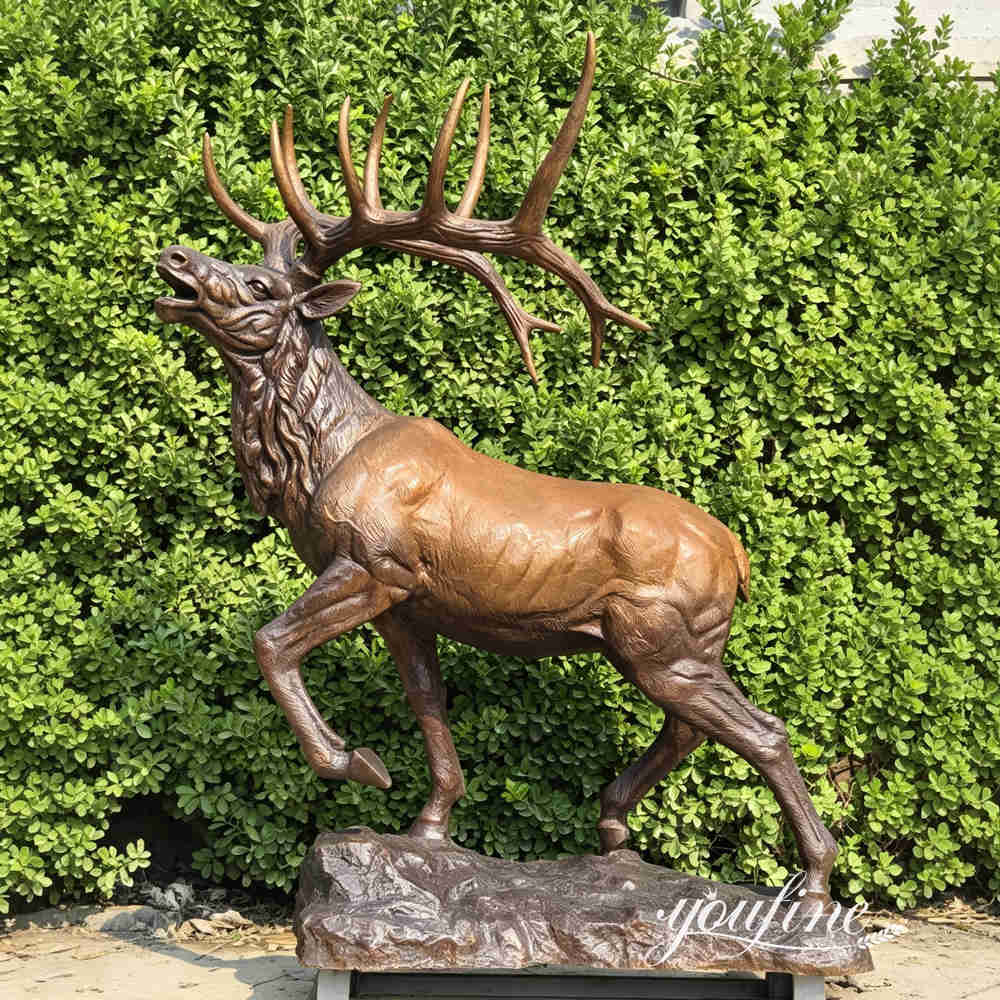
For example, a large bronze elk with wide antlers needs very different packing from a compact bronze bear, even if both sculptures have a similar overall height.
When Should a Large Bronze Animal Sculpture Be Shipped in Sections?
Not every large bronze animal needs to be shipped in one piece.
If the sculpture is especially long, tall, wide, or has projecting parts that make transportation difficult, detachable sections may be a better option.
We have produced projects with:
- Removable wings
- Removable antlers
- Removable bases
- Other detachable structural parts
For example, if a large bronze elephant has very long tusks, we may discuss with the client whether the tusks should be packed separately and installed after the main sculpture reaches the site.
The same principle can apply to wide eagle wings or large antlers.
A removable design can reduce packing volume, lower transportation risk, and make local installation easier.
Why Should Packing Be Planned Before the Sculpture Is Finished?
For large animal sculptures, transport planning should ideally begin during the design or production stage.
A finished sculpture may look perfect in the workshop but still create problems if it cannot fit safely into a container or pass through the client’s site entrance.
That is why experienced manufacturers usually consider:
Sculpture size → Packing method → Container size → Unloading → Installation
before final production is completed.
This is particularly important for monumental animals and dynamic poses.
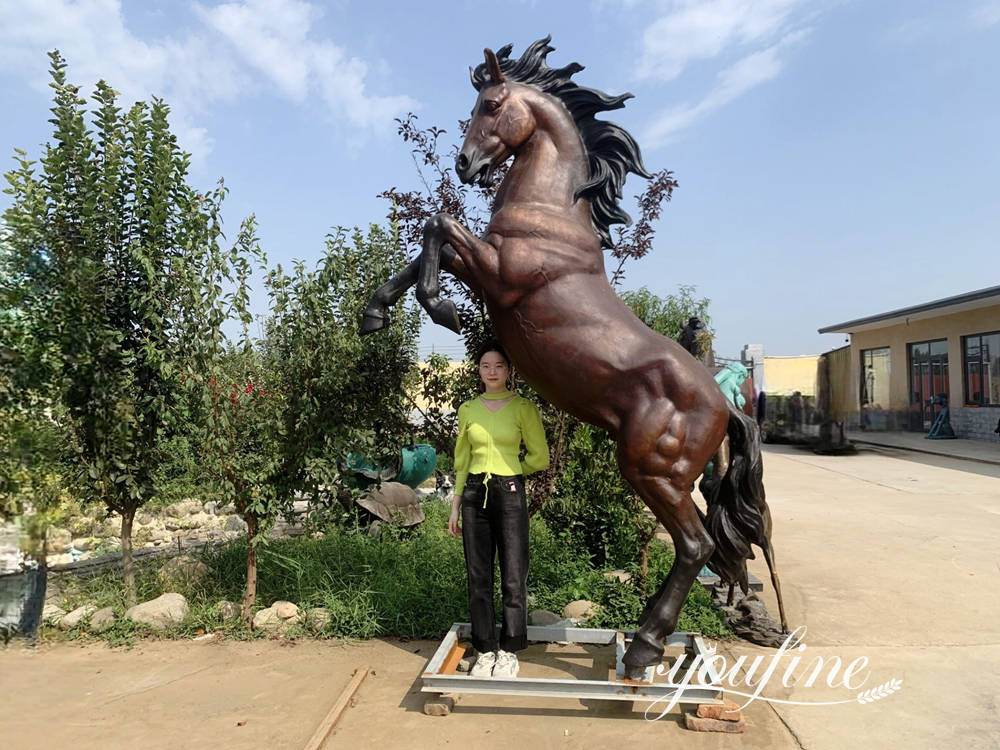
A large eagle with an extended wingspan, a tall rearing horse, or a bronze animal group may require very different packing and installation solutions.
Are Large Bronze Animal Statues Usually Shipped by Sea?
For most large bronze animal sculptures, sea freight is the most practical international shipping method.
Bronze sculptures are heavy, and large pieces often require substantial packing volume.
Sea freight is generally more suitable for:
- Life-size bronze animals
- Large outdoor sculptures
- Monumental bronze animals
- Multi-piece animal groups
Smaller sculptures or urgent orders may sometimes be shipped by air, but this is less common for large bronze works because of the cost.
Very large projects may also require special container arrangements or alternative freight solutions depending on their final packed dimensions.
What Should the Buyer Prepare Before Delivery?
Before the sculpture arrives, it is helpful to confirm several site conditions in advance.
These may include:
- Whether a forklift or crane is required
- Vehicle access to the installation area
- Foundation size
- Anchor bolt positions
- Available unloading space
- Installation equipment
- Local installation team
For larger bronze animals, the installation method should ideally be confirmed early in the order.
Depending on the project, the sculpture may include stainless-steel internal reinforcement, embedded fittings, flanges, or bolts that need to match the foundation.
This is why packing, transport, and installation should be treated as one connected process rather than three separate steps.
What Should Be Checked When the Sculpture Arrives?
Before removing the sculpture from its packing, check the outside of the crate or steel frame for visible damage.
It is also a good idea to photograph the packaging before unloading.
After unpacking, inspect:
- Antlers, horns, wings, tails, and ears
- Bronze surface and patina
- Connection points for removable parts
- Base and mounting points
- Installation hardware
- Any separately packed accessories
If the sculpture was shipped in sections, confirm all parts before installation begins.
Wooden Crate or Steel Frame: Which Is Better?
There is no single packing method that is best for every bronze animal.
A reinforced wooden crate can work very well for many standard-size sculptures.
Steel-frame packing is often more suitable when the sculpture is:
- Very large
- Very heavy
- Structurally complex
- Difficult to lift
- More exposed to impact during transfer
The correct choice depends on the sculpture itself.
This is why packing should be designed around the actual animal, rather than using the same box for every project.
FAQ
How are large bronze animal statues packed for international shipping?
Large bronze animal statues are usually wrapped with foam, pearl cotton, and plastic film, then secured inside reinforced wooden crates or steel-frame packing. Fragile parts such as antlers, wings, ears, tails, and tusks normally receive extra padding and structural support.
Are large bronze animal sculptures shipped in one piece?
Not always. If a sculpture is too tall, long, wide, or difficult to transport safely, some parts may be designed to be removable. Common examples include wings, antlers, bases, and tusks.
Is sea freight normally used for large bronze animal statues?
Yes. Sea freight is usually the most practical option for life-size and monumental bronze animal sculptures because of their weight and packing volume. Smaller or urgent pieces may sometimes be shipped by air.
What should buyers prepare before a large bronze sculpture arrives?
Buyers may need to prepare unloading space, a forklift or crane, site access, the foundation, anchor points, and an installation team. These details are best confirmed before shipment.
Is steel-frame packing better than wooden crate packing?
It depends on the sculpture. Reinforced wooden crates are suitable for many standard-size bronze animals, while steel-frame packing is often preferred for larger, heavier, or structurally complex sculptures.
Final Thought
Shipping a large bronze animal sculpture safely is not simply a matter of putting it into a wooden box.
The sculpture’s weight, pose, surface, antlers, wings, horns, tail, balance, installation method, and transport route all affect the packing plan.
For custom bronze animals, the safest approach is to consider packing, transportation, and installation together from the beginning of the project.
That is especially important for life-size and monumental wildlife sculptures, where small decisions made during production can make international delivery much safer and easier.