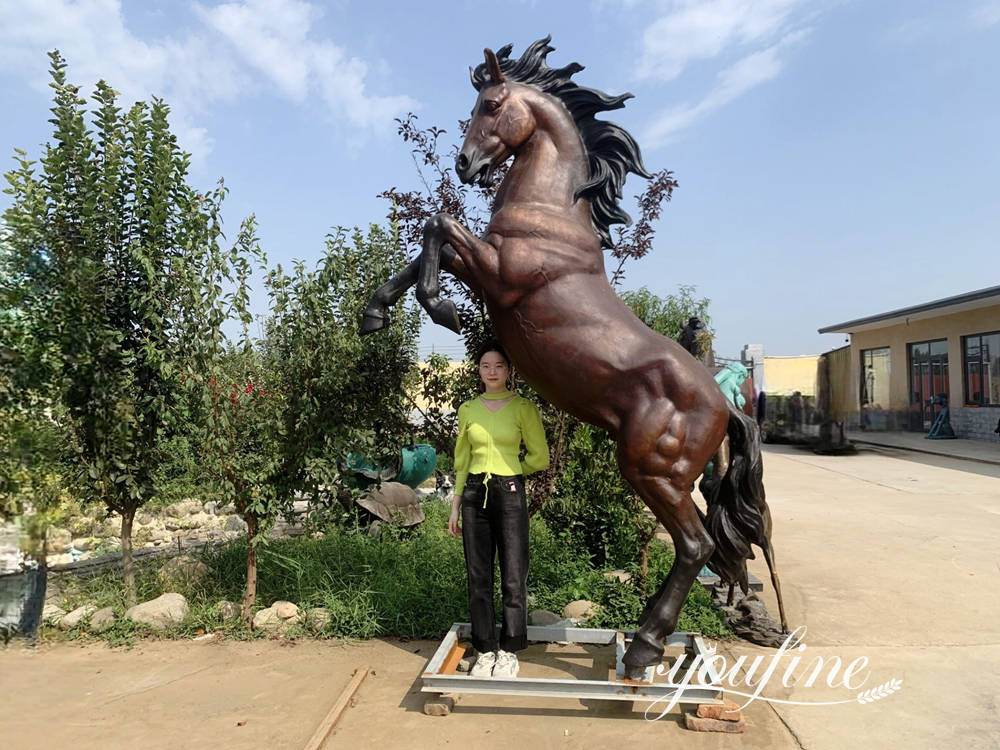
What does a horse statue with two front legs raised mean? A rearing horse often suggests energy, strength and movement. It can also convey courage or determination, depending on the setting and the artist’s intent. The raised legs alone do not give every horse statue one fixed meaning.
If you are choosing a piece for a garden, ranch entrance or public space, consider the pose alongside its scale, base and viewing angle. You can compare available designs in our bronze horse statue collection.

The Artistry of Bronze Rearing Horse Statue
Casting a horse statue with its legs raised is one of the most challenging and impressive achievements in the art of sculpture. These sculptures capture a moment of pure power and grace – the moment when the horse raises its front legs, showing all its strength and nobility. The raised pose requires careful planning for the sculpture’s weight, support and anchoring while preserving anatomical detail.
What makes these sculptures special is that although they are static, they can convey movement and energy. Every muscle appears tense, every detail of the horse’s expression shows determination, and the overall posture creates a sense of stillness, bringing life to any space they occupy.

What Does a Rearing Horse Statue Symbolize?
The upward movement can make a bronze horse feel powerful and alive. In a memorial, the intended meaning depends on the rider, the commission and any inscription. In a garden or entrance, buyers may choose the pose simply for its dramatic shape. A horse’s leg position is not a reliable universal code for an event in a rider’s life.
Strength and motion
Raised front legs, a lifted head and a flowing mane draw the eye upward. These features can suggest momentum, confidence or determination. The U.S. National Park Service’s description of the Caesar Rodney statue, for example, explains that its rearing pose captures movement and dramatic tension in that particular monument.

Meaning depends on context
The same pose can serve a different purpose at a ranch entrance, an equestrian center or a civic memorial. Look at the sculpture’s setting, title and accompanying story before assigning a symbolic meaning. If a project calls for a specific message, discuss that with the sculptor during the design stage.

Why the pose affects production
A large rearing horse needs careful attention to balance, internal support, the base and anchoring. Ask the foundry how the weight will be carried and what foundation information the installer needs. The solution depends on the size, casting and site conditions.

Choosing the Perfect Horse Statue
When choosing a rearing horse statue, there are several key factors worth careful consideration:
- Size: For indoor display, I typically recommend statues between 24-36 inches in height, which are impressive without taking up too much space. Outdoor installations can accommodate larger statues, usually 48 inches or taller.
- Material: Bronze is undoubtedly the top choice for these sculptures. Its durability, weather resistance, and ability to develop a beautiful patina over time make it ideal for both indoor and outdoor placement. The strength of this material also allows for dramatic double-legged poses while ensuring structural integrity.
- Placement: Consider placing these statues where they can be viewed from multiple angles. Such as gardens and courtyards. The dynamic nature of the pose creates a different visual experience from all angles. Make sure the installation is stable, especially for outdoor installations.

Tips for Horse Statue Buyers
As someone who works with artists daily, here are my essential tips for selecting the perfect piece:
Craftsmanship Indicators
- Examine the detail in the musculature and facial features
- Look for smooth, even patination
- Check the quality of joints and welds
- Verify the statue’s stability and balance
Price Considerations
The price depends on the dimensions, pose, casting and finish, base, shipping and installation requirements. Our custom bronze horse statue cost and timeline guide explains these factors. Share your target size, location and reference images to request a project-specific quote.
Authentication
Reputable galleries provide certificates and detailed information about the casting process. Don’t hesitate to ask about the sculptor and foundry – transparency is a hallmark of quality dealers.
Complementary Pieces
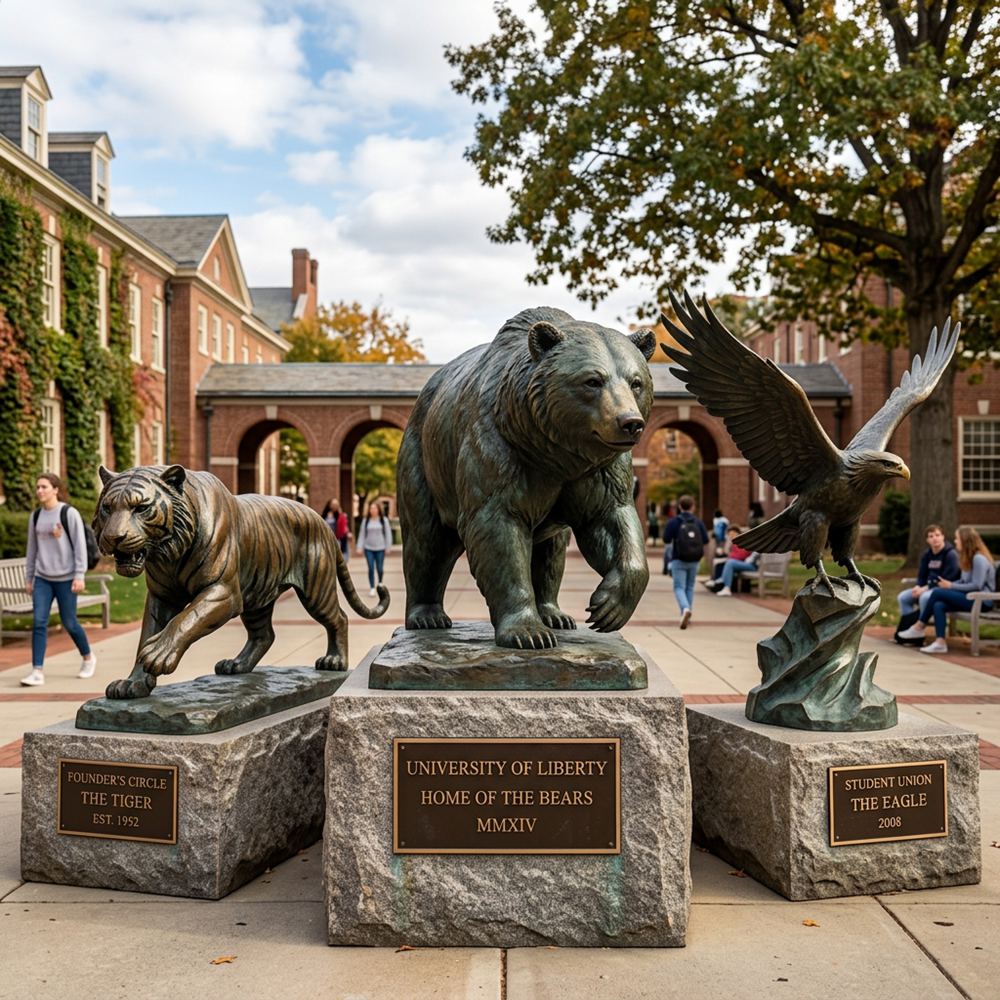
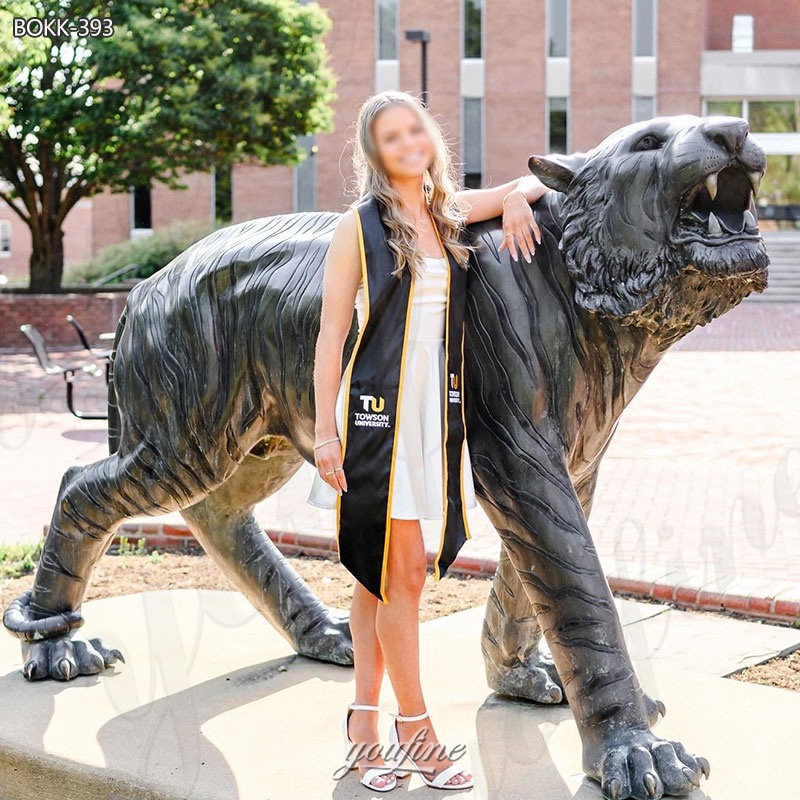
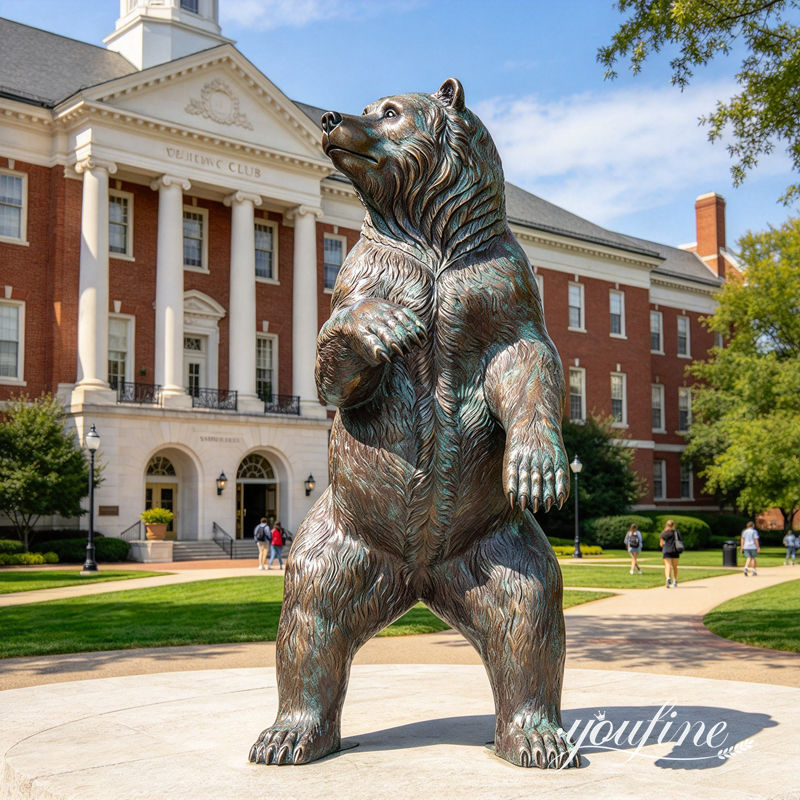
Many collectors start with a horse statue and later expand their collection to include other bronze animals. Tigers, panthers, and lions make excellent companion pieces, each bringing its own symbolic strength to create a compelling display.

Conclusion
A horse statue with legs up is more than just a decorative piece – it is a manifestation of strength, artistry, and timeless appeal. Whether you are a first-time buyer or a seasoned collector, these sculptures offer an unparalleled combination of dramatic presence and artistic excellence.
At YouFine, we pride ourselves on helping our customers find the sculptures they love. We are able to offer a large selection of bronze animal sculptures, including horses, tigers, leopards, and lions, all cast using the traditional lost wax method and incorporating advanced technique.
I invite you to explore our sculpture gallery and find the perfect addition to your space. For personalized service, please visit our website or contact us directly. Professionals will help you bring the majesty of bronze horse sculptures into your world.