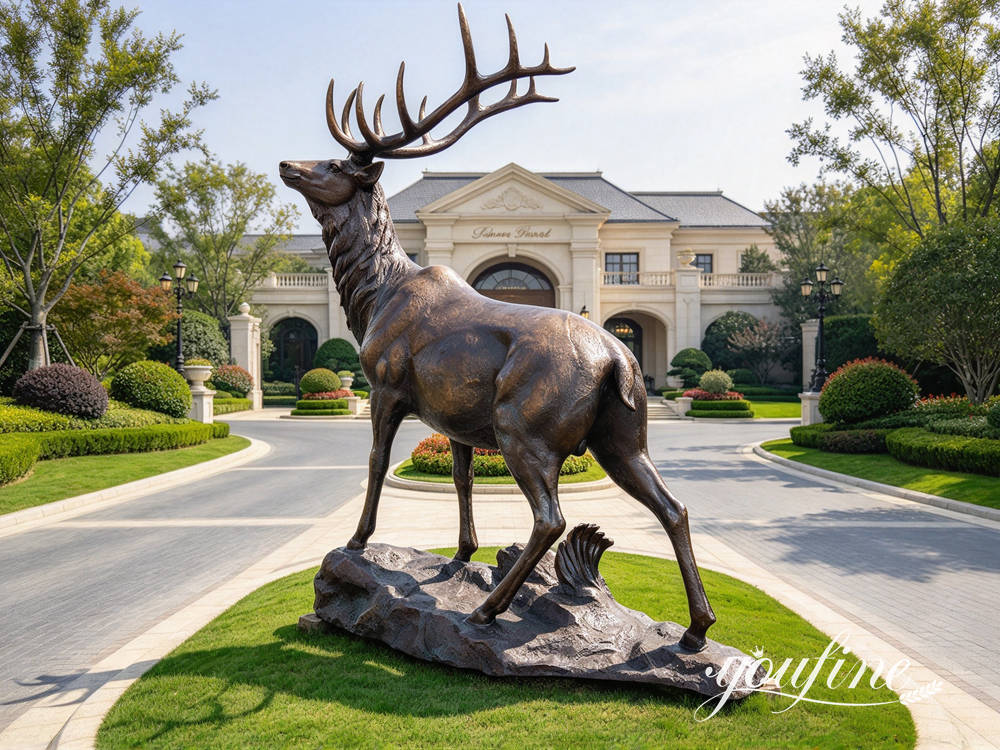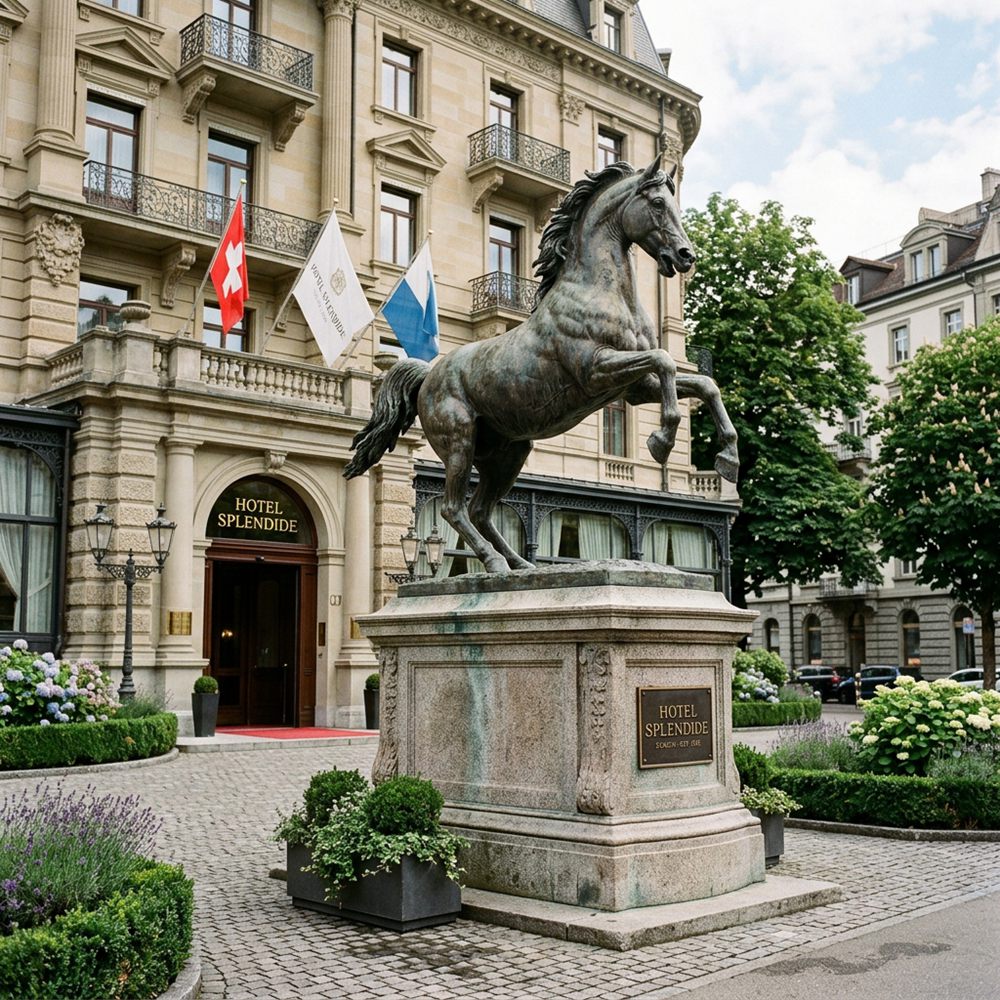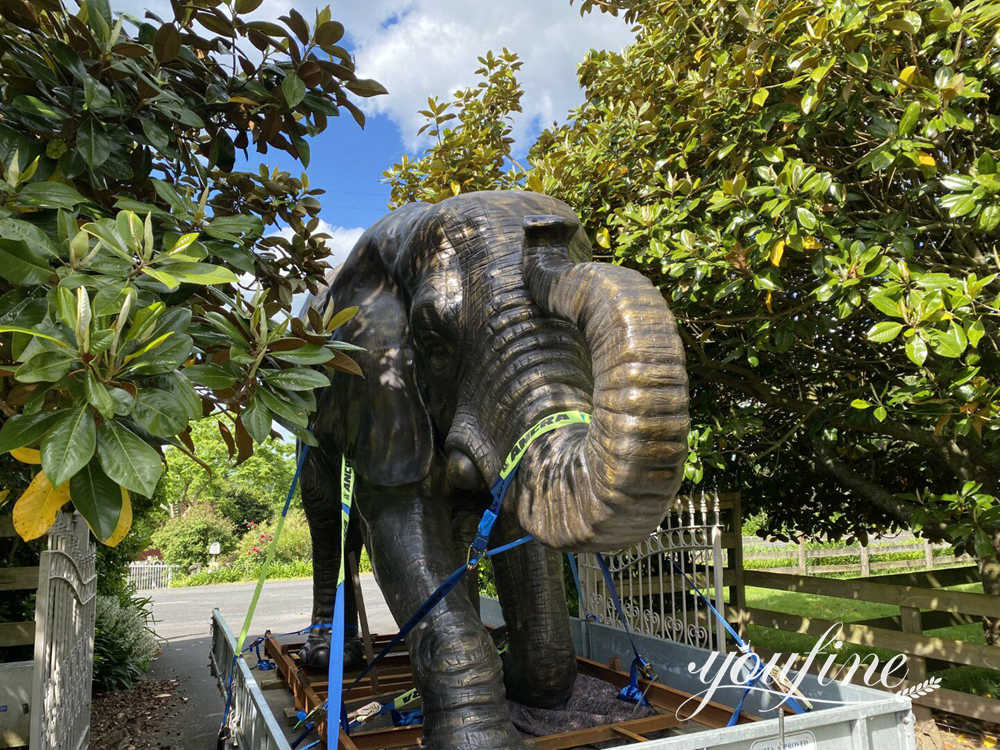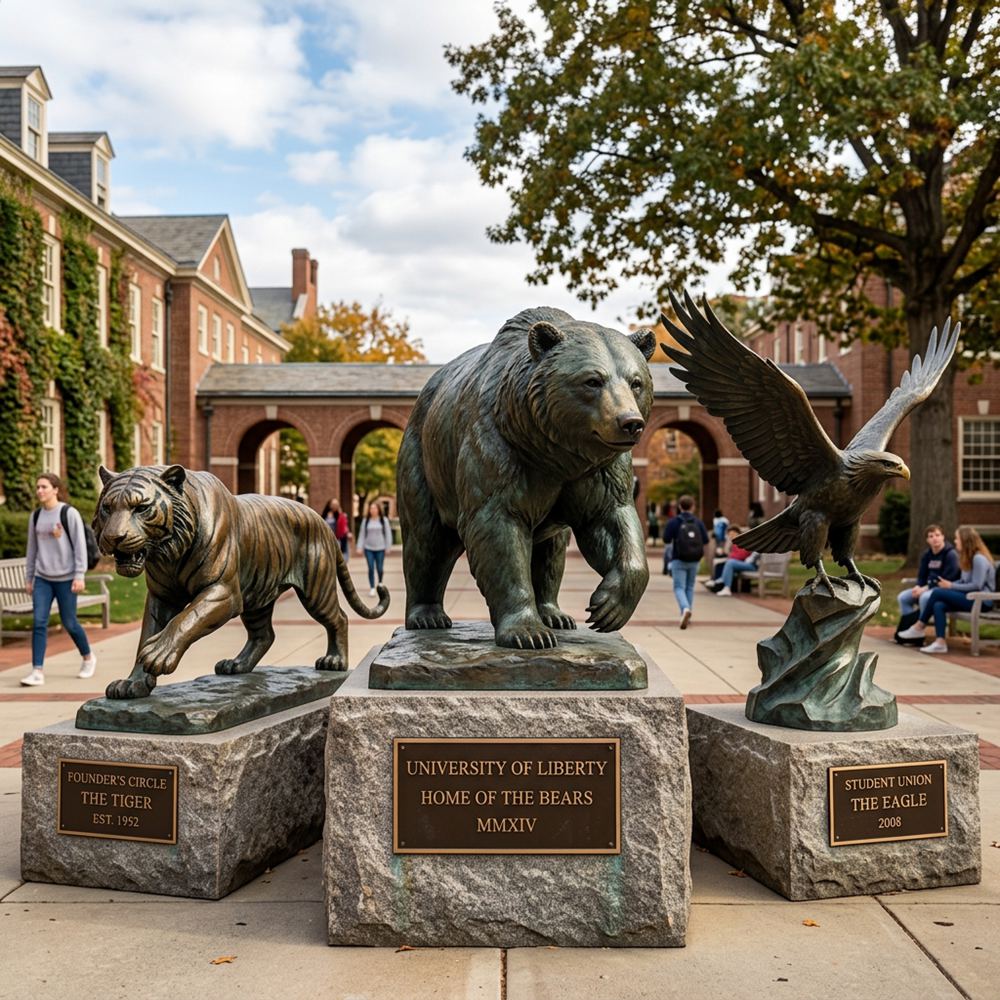
An outdoor animal sculpture can give a landscape a sense of place. A bronze stag may become a quiet focal point among trees, while a pair of stone lions can frame an entrance. But the success of either piece depends on decisions made well before it reaches the site.
For landscape architects, specifying a sculpture means combining the artistic idea with practical requirements: the right animal, convincing proportions, suitable materials, a clear approval process, and an installation plan.
At YouFine, our workshop teams develop animal sculptures from reference images, drawings, and original concepts. This guide explains the details we find most useful when taking a landscape sculpture from an early idea into production.

1. Begin with the Setting and the Experience
Before discussing dimensions or finishes, tell us how the sculpture should feel within the landscape.
Is it intended to welcome visitors at an estate entrance? Be discovered along a woodland path? Or serve as a landmark in a resort garden? These settings call for different approaches to pose, scale, and composition.
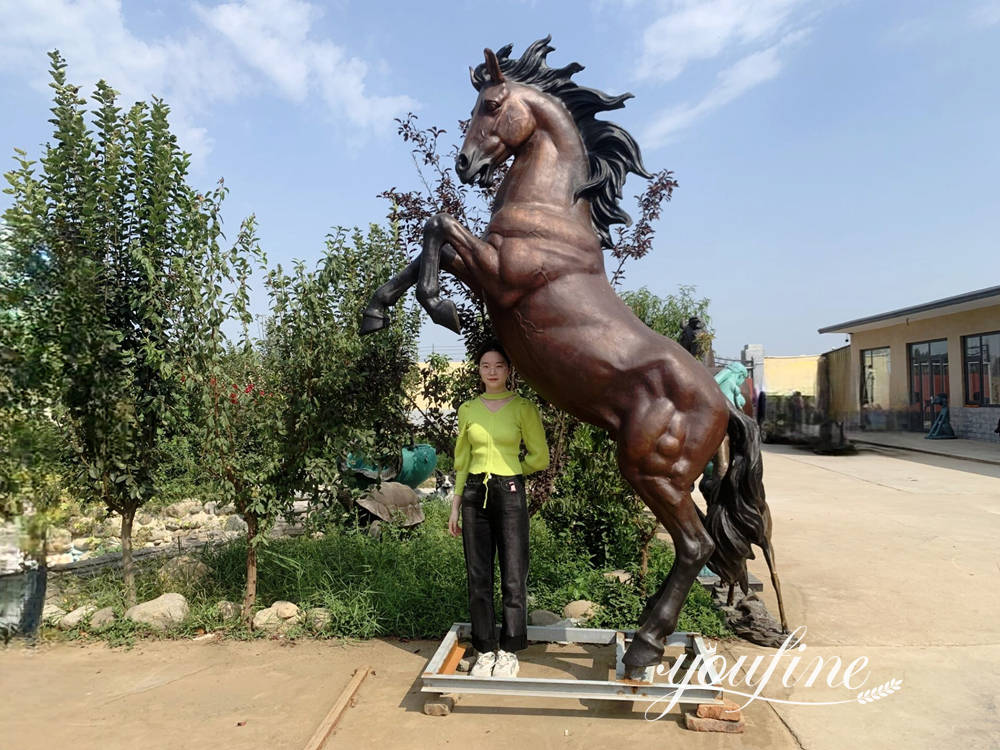
A standing stag with an alert head creates a different impression from a grazing deer. A horse in motion needs space around its silhouette, while a resting animal may suit a quieter, more enclosed setting.
Site photographs and a marked landscape plan help us understand:
- The principal viewing direction and approximate viewing distance
- The relationship to planting, buildings, paths, and water
- Whether visitors will walk around or approach the sculpture
- Whether the piece stands alone or forms part of a group
Our client installation gallery is a useful starting point for discussing how animal sculptures relate to finished spaces. When sharing a reference, let us know what appeals to you—the animal itself, its pose, its finish, or the way it sits in the landscape.
2. Turn “Life-Size” into Measurable Dimensions
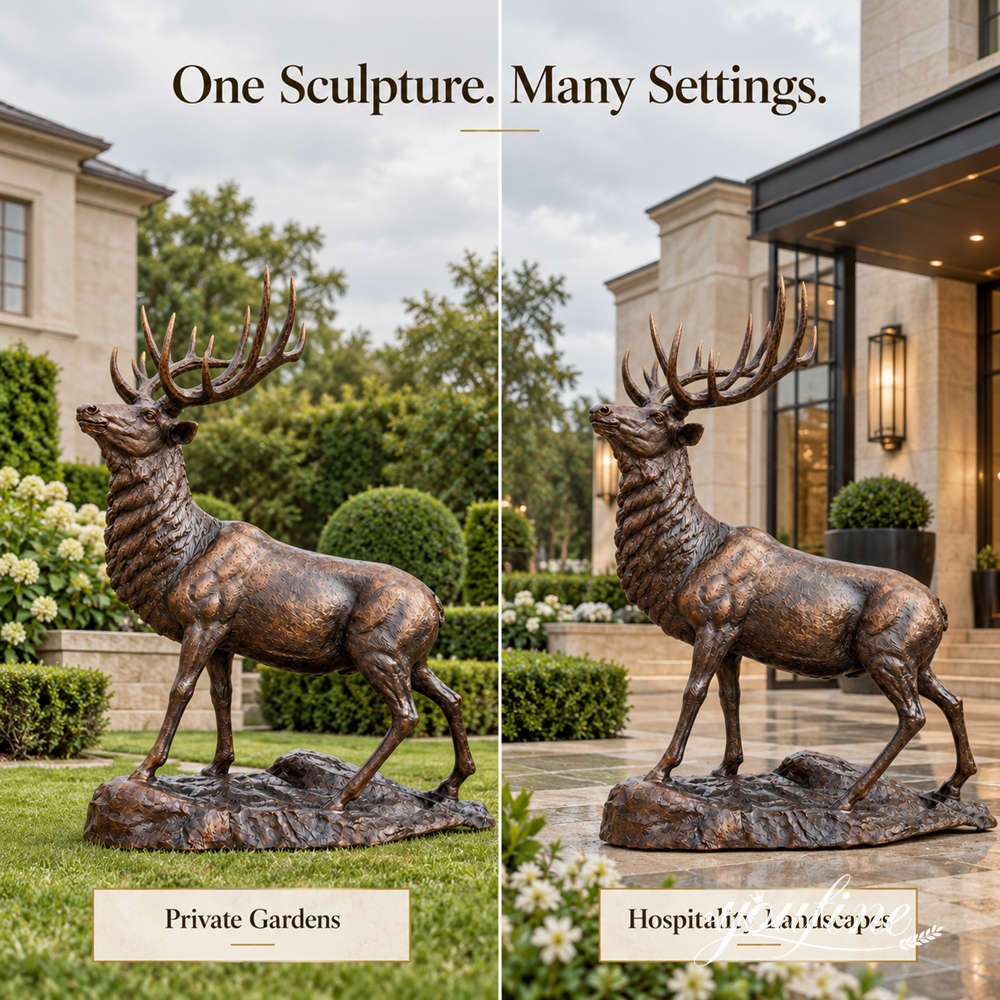
“Life-size bronze deer” communicates a general direction, but it leaves several questions unanswered. Which species? What pose? Does the height include the antlers and base?
For a clear quotation and design review, specify overall height, length, and width, with the base dimensions recorded separately where appropriate. Include the full extent of antlers, wings, and tails.
For group compositions, confirm the position and orientation of each animal. The spacing between a stag and doe, or between a mother bear and her cubs, helps determine whether the arrangement feels natural.
A useful brief might read:
One bronze stag, standing with its head turned slightly toward the main path. Approximate overall height: 2.4 m, including antlers. Dark brown patina. Final proportions and fixing details to be confirmed during design review.
This gives our sculptors a workable direction without requiring every detail to be resolved at the first enquiry. Dimensions can be discussed in feet and inches or metric units; the final approved drawing should make the units explicit.
3. Choose Between an Existing Design and a New Commission
A landscape project does not always require an animal to be sculpted entirely from the beginning.
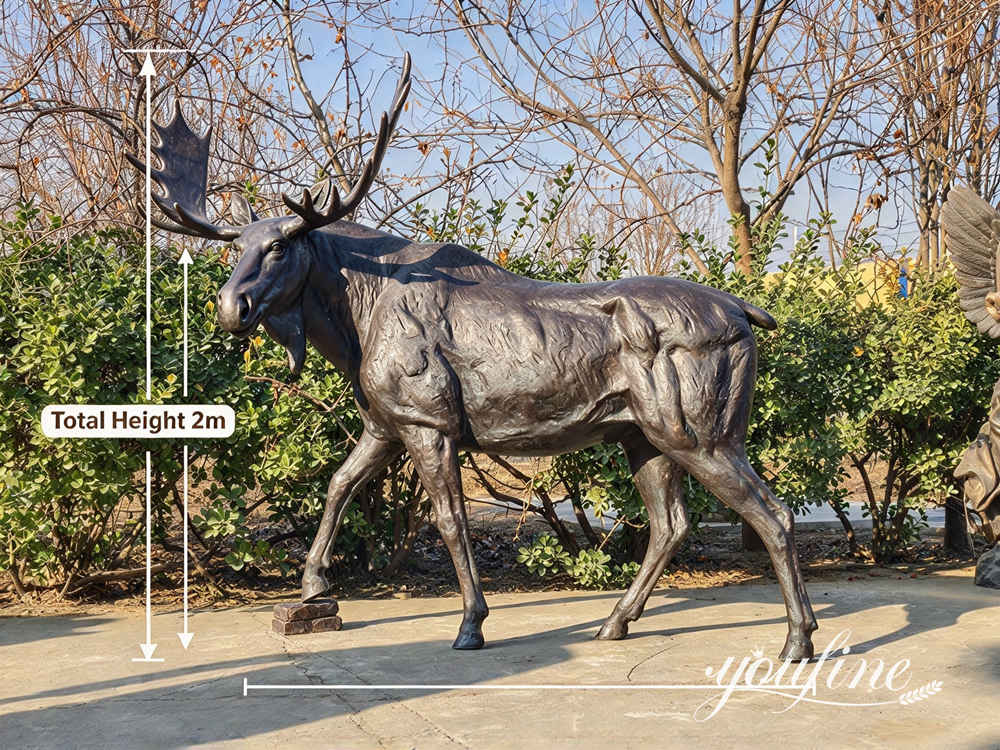
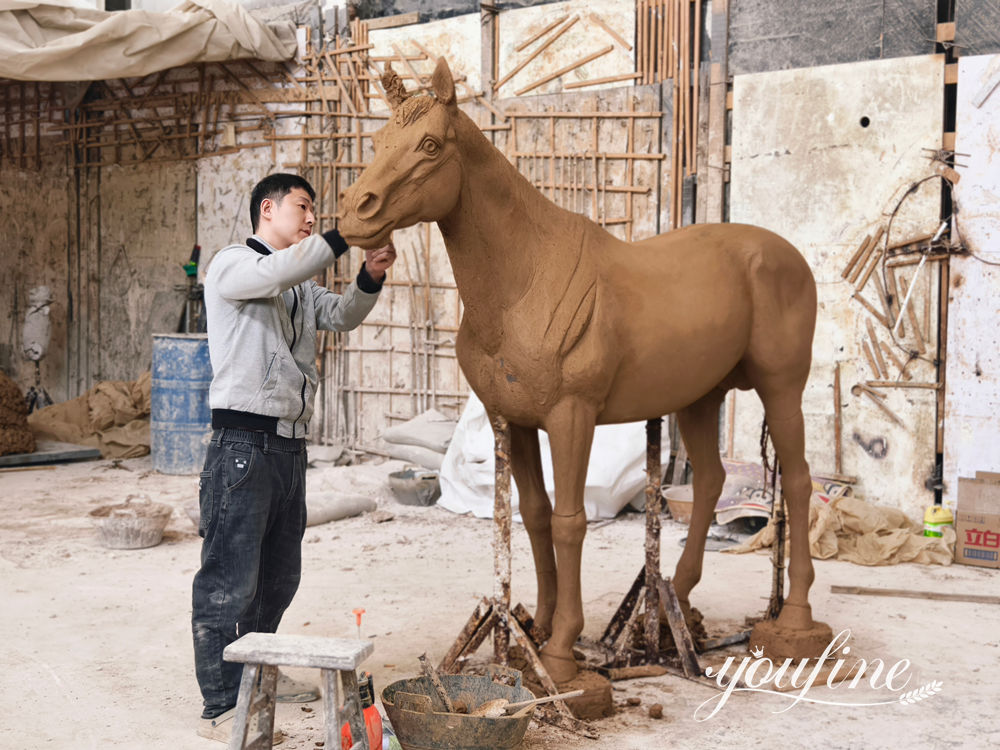
Our animal clay model collection includes horses, deer, bears, cattle, elephants, and birds. If an existing design is close to your concept, we can review its suitability before discussing changes.
This is worth considering when the project has a defined budget or opening date. Depending on the design and requested modifications, an existing model may reduce the amount of new sculpting required.
A new commission is more appropriate when the animal needs a distinctive pose, specific breed characteristics, or a composition developed around the site.
We recommend sharing both your preferred references and the details you want to change. “We like this horse, but need a calmer stance and a different head position” is much more helpful than asking for a similar piece without identifying the differences.
4. Specify the Material and Finish as Part of the Design
YouFine’s collections include bronze, marble, and stainless steel animals. Material selection should follow the visual direction of the project, alongside the installation environment and maintenance expectations.
| Material | Design considerations | Details to confirm |
|---|---|---|
| Bronze | Detailed anatomy, expressive poses, and textured surfaces | Patina reference, surface detail, protective finish, and care guidance |
| Marble | Natural stone character and carved architectural forms | Stone selection, color variation, dimensions, and base proportions |
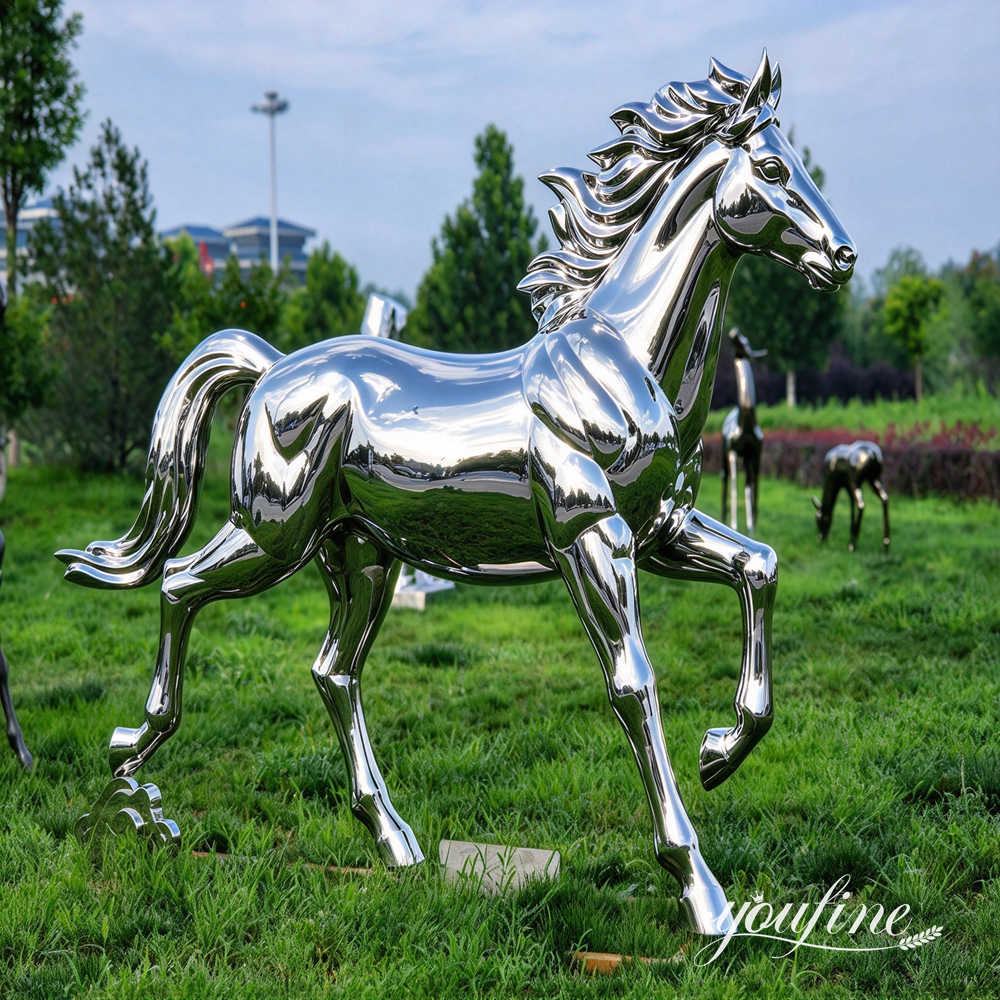
| Stainless steel | Geometric, abstract, mirror-polished, or wire forms | Surface finish, reflections, visible connections, and cleaning access |
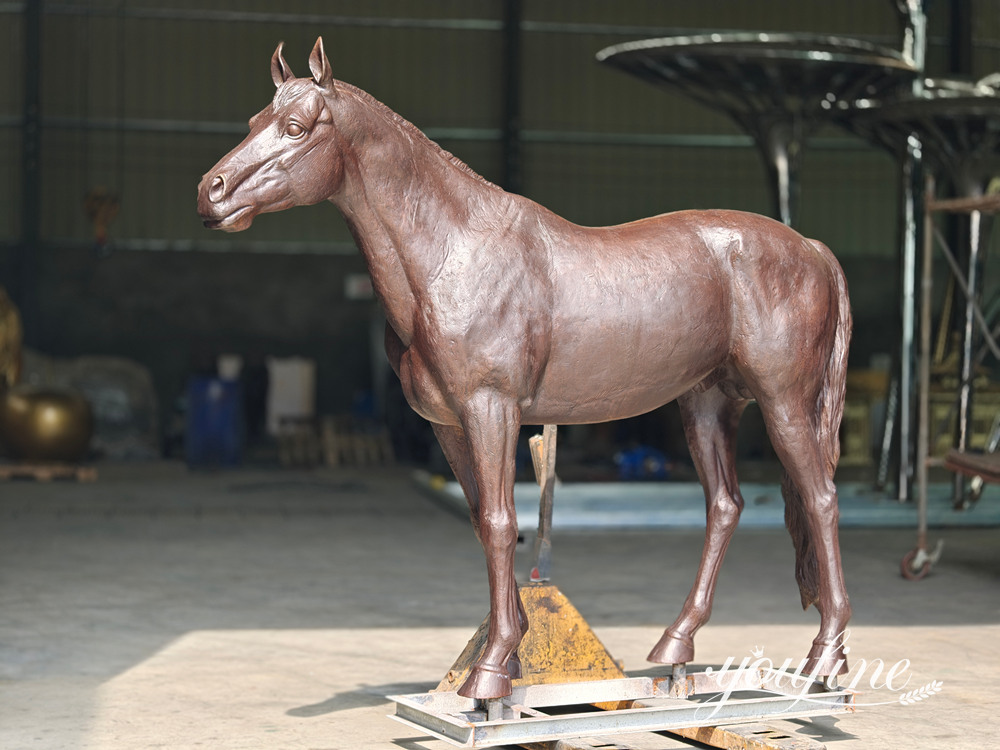
For bronze, “brown finish” is often too broad. A deep brown surface with subtle highlights creates a different effect from a lighter, more varied patina. Share a reference and identify which qualities matter most.
Hand-applied finishes can vary, and photographs are affected by lighting. Agree on how the finish will be reviewed before production is completed, particularly when coordinating several sculptures.
Also tell us about coastal exposure, irrigation, nearby water features, or other relevant site conditions. These details should be discussed before the material and finish are finalized.
5. Use the Model Review to Protect the Design
The model stage is where an animal’s character takes shape.
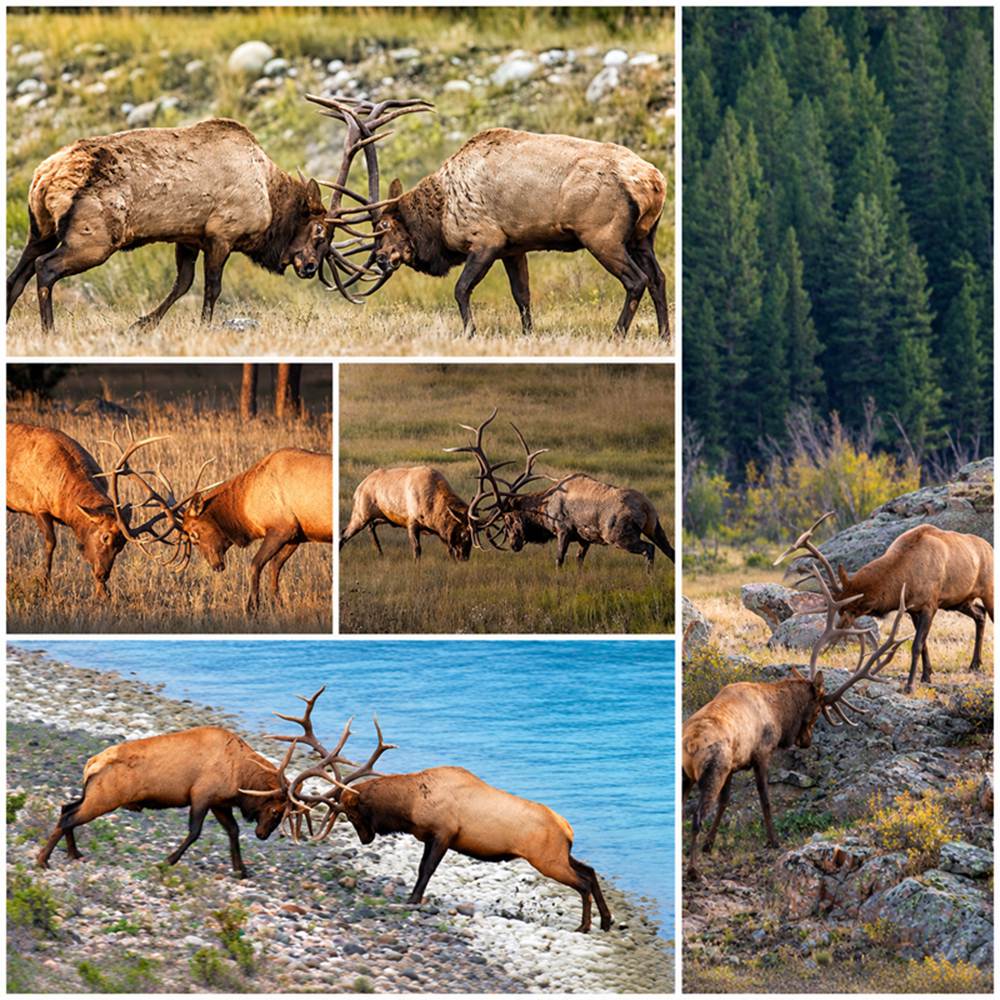
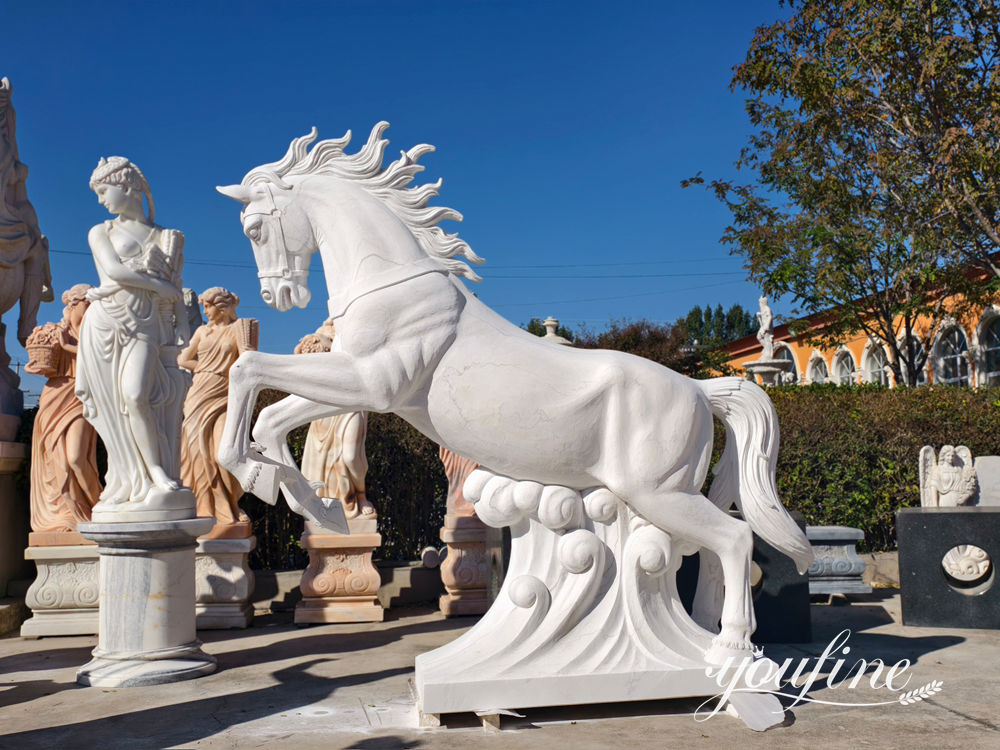
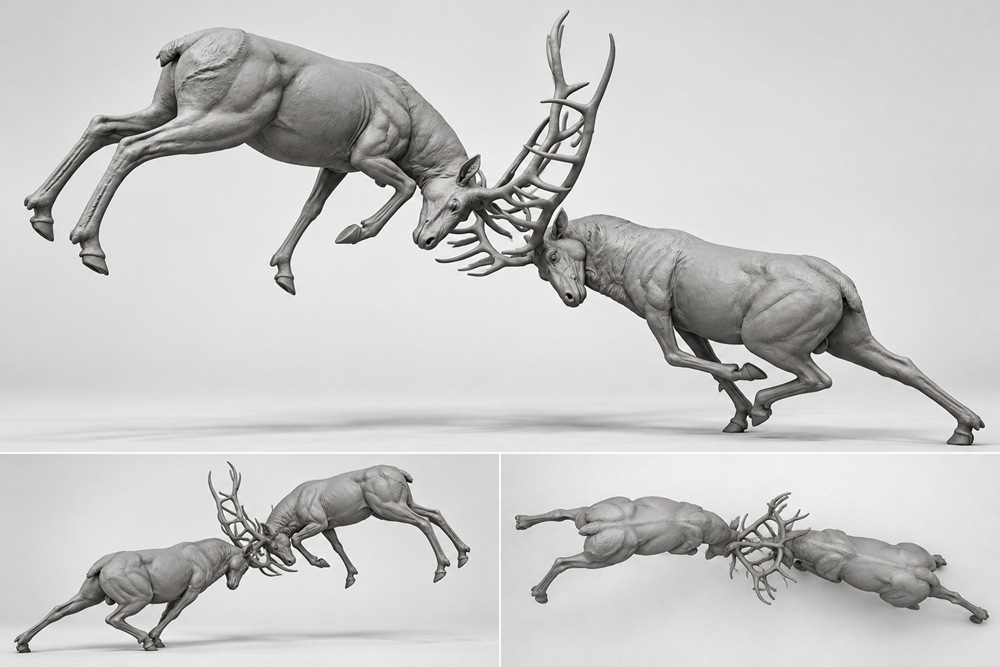
For a horse, the neck, chest, legs, and head position must work together. For a deer, the body and antler proportions need to feel balanced. A sculpture may contain detailed fur or feathers and still feel unconvincing if the overall anatomy is wrong.
When reviewing a clay model or other agreed design reference, begin with the silhouette. Then move to the expression and smaller details.
We suggest reviewing:
- Overall proportions and the sense of weight or movement
- Head angle, ears, eyes, and facial expression
- Leg positions and contact points
- Antlers, wings, tails, and other projecting features
- The relationship between the animal and its base
Ask for front, side, rear, and three-quarter views. If visitors will see the sculpture from every direction, the approval process should reflect that.
Gather comments from the landscape architect, client, and other decision-makers into one clear response where possible. Confirming a single approved version helps the workshop proceed with confidence and reduces conflicting instructions later.
6. Look Beyond the Model to the Finished Bronze
A well-sculpted model is only one part of a successful bronze animal.
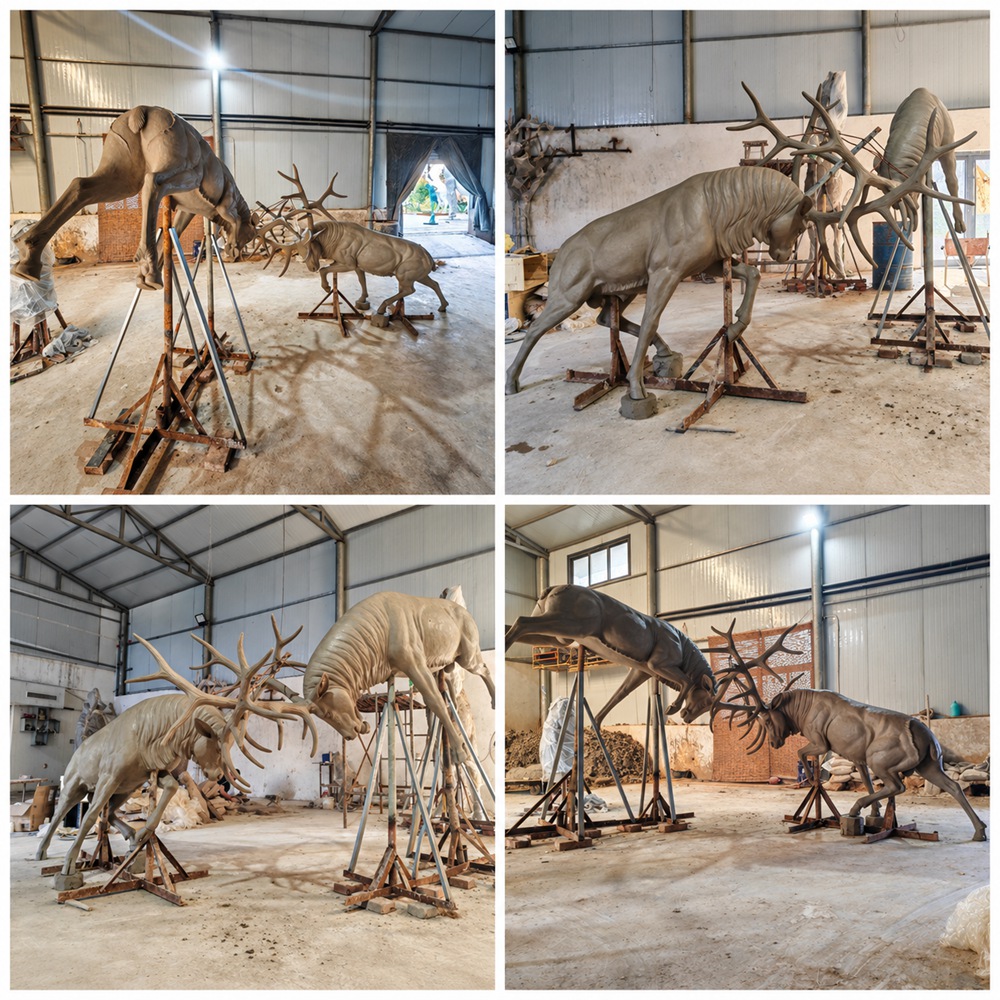
As shown in our guide to making a life-size bronze horse, production continues through mold and wax preparation, casting, assembly, surface refinement, and patina.
For the project team, the practical question is how the approved design will be carried through those stages.
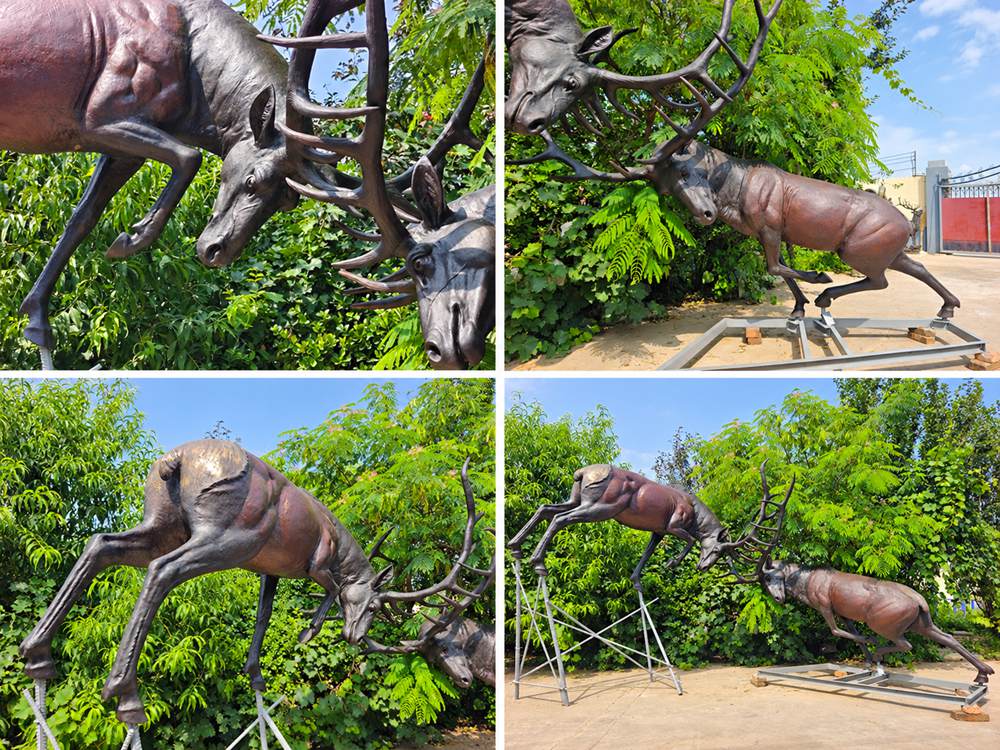
Ask to see progress at agreed checkpoints. On a finished piece, review the continuity of muscle lines, hair textures, and other details across assembled sections. Areas around the legs, underside, mane, and tail deserve attention alongside the main viewing face.
The final review should also cover the complete sculpture, its finish, and the installation details agreed for the project.
At YouFine, production photographs help clients follow work inside the workshop. For overseas projects, these updates provide a useful record and allow questions to be addressed before packing.
7. Coordinate Foundations and Installation Before Shipment
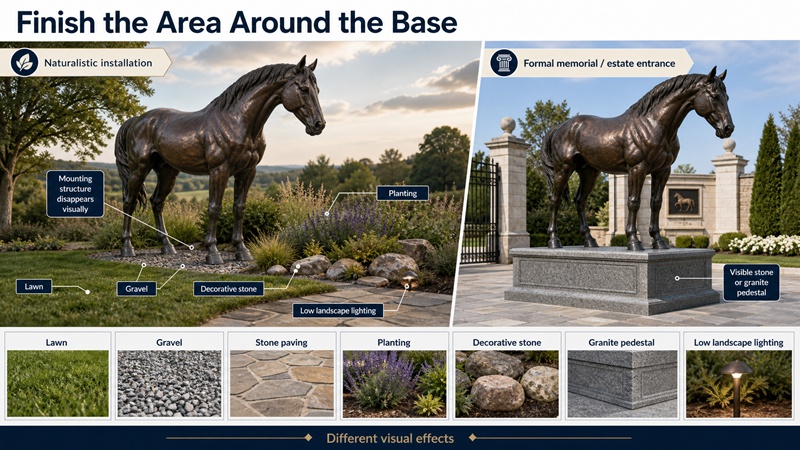
The sculpture, foundation, and surrounding landscape need to be planned together.
Before installation details are finalized, share the proposed ground surface, finished levels, base preference, and available site information. Ask what weight, fixing-position, and bottom-dimension information can be supplied, and when it will be confirmed.
Your local project professionals should review the foundation and structural requirements for the actual site. A fixing arrangement used on another project should not automatically be adopted without that review.
Public access also matters. Antlers, beaks, tails, and wings may extend beyond the main body. Consider their position relative to paths and places where people gather. If the sculpture is intended for climbing or play, explain this at the beginning so the intended use can be separately assessed.
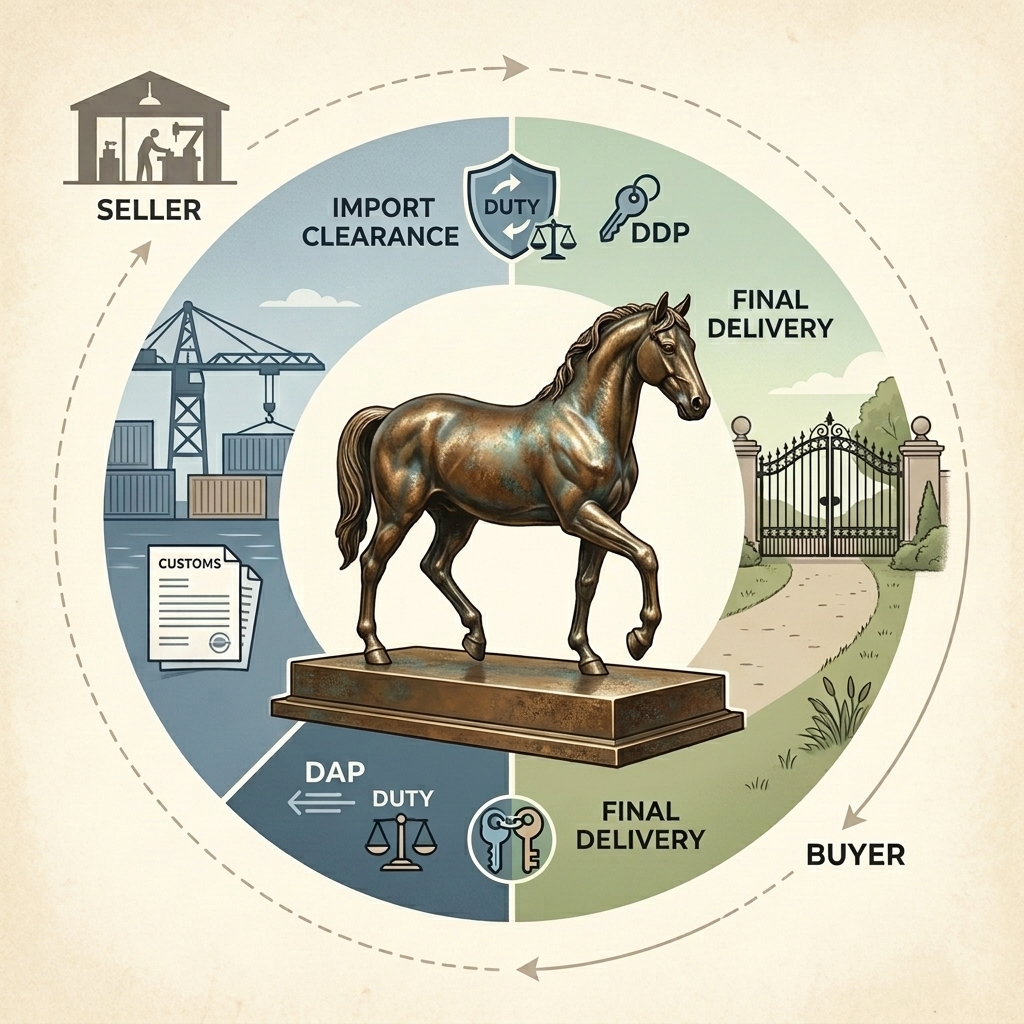
Delivery planning deserves the same early attention. Confirm vehicle access, unloading equipment, lifting arrangements, and who will receive the shipment. YouFine can coordinate packing and shipment details and provide practical installation guidance for the local team; the responsibilities for on-site work should be clear in the project agreement.
8. Build the Budget and Schedule Around the Full Process
The sculpture price is one part of the installed cost. A project budget may also need to cover transport, import-related charges, foundations, unloading, lifting, and local installation.
Ask for a quotation that clearly identifies what is included and what will be arranged separately.
For scheduling, work backwards from the desired installation date. Allow time for design review, model approval where applicable, production, finishing, packing, transport, and site preparation. If several people must approve the design, include their review time as well.
Changes to pose or anatomy are best raised during the model stage. Requests made after casting may affect both cost and timing.
Rather than applying one standard lead time to every sculpture, we review the size, material, complexity, and delivery requirements before confirming a project schedule.
A Simple Brief to Start Your Project
You do not need a lengthy specification to begin a useful discussion. The following information gives our team a strong starting point:
| Project detail | What to share |
|---|---|
| Location | Country, city, and relevant site conditions |
| Setting | Site photographs, plans, and intended position |
| Design | Animal, pose, style, and reference images |
| Scale | Overall dimensions, quantity, and group arrangement |
| Material | Preferred material and finish references |
| Access and installation | Public contact, ground surface, and delivery restrictions |
| Approvals | Required drawings, models, samples, and decision-makers |
| Budget and timing | Budget range and target installation date |
Let’s Develop a Sculpture That Belongs in Your Landscape
The most useful specification connects the artistic idea with the information needed to make and install it. It gives the sculptor a clear direction, the client meaningful approval points, and the local team time to prepare.
At YouFine, we welcome early conversations, whether you have a detailed drawing or a few reference images. Share your site, preferred animal, approximate size, and installation plans with us at sales@you-fine.com. We will help you work through the next decisions and develop a proposal around your project.