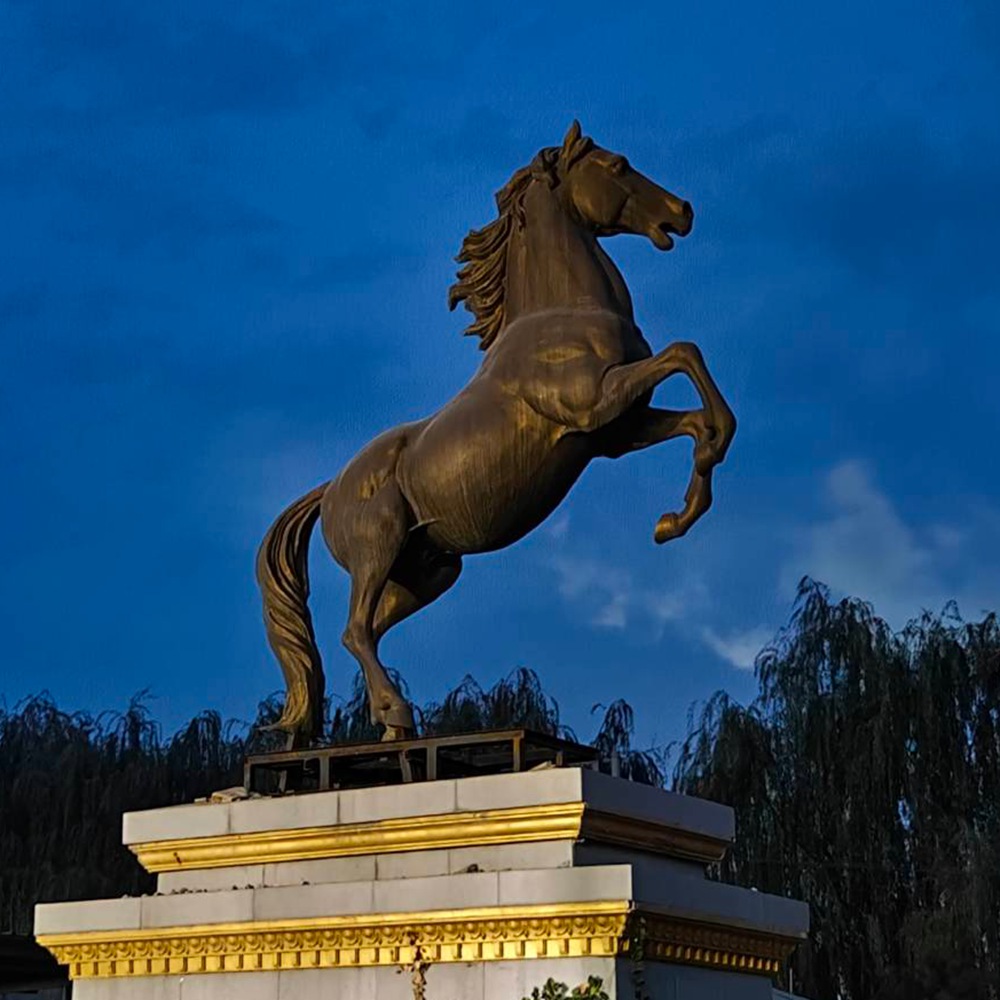
Who handles customs, duties, insurance and final delivery for a bronze animal sculpture? The answer depends on the delivery term and the named destination in your purchase agreement—not simply on whether a seller says it can “ship worldwide.” Under DAP (Delivered at Place), the seller arranges transport to the agreed place, while the buyer normally handles import clearance and pays import duties and taxes. Under DDP (Delivered Duty Paid), the seller takes on import clearance and those charges as well, if it can legally and practically do so in the destination country. Neither term automatically means the arriving crew will unload, lift or install a heavy sculpture. Cargo insurance needs its own written scope.
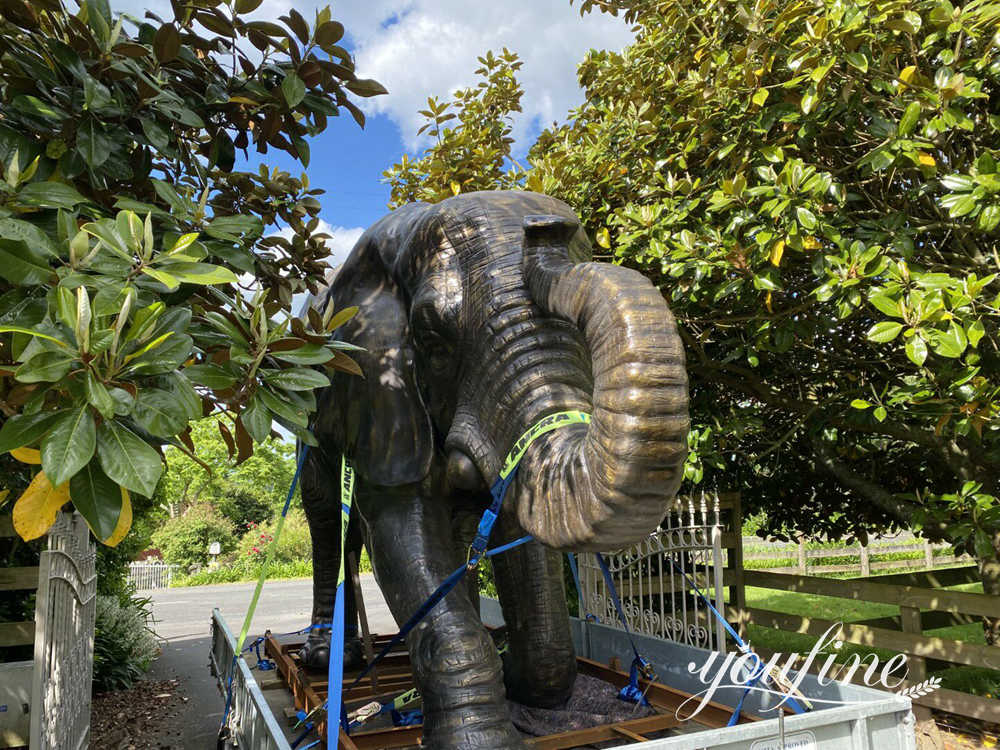
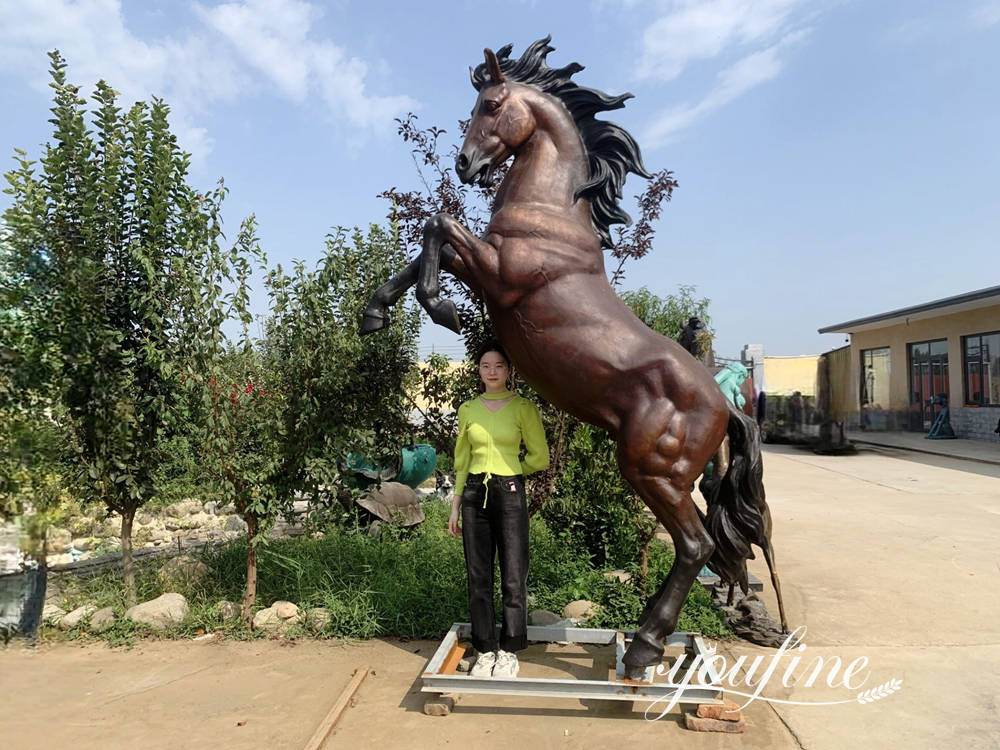
For a life-size bronze horse, bear or eagle, these distinctions can determine whether the crate reaches your driveway, a freight terminal or the actual installation site—and who has to arrange a forklift when it arrives. This guide is a planning checklist, not a destination-specific tax or legal opinion.
Who handles customs clearance and import duties?
Start with the exact Incoterms® 2020 rule and named place, written into the quotation and purchase agreement. A promise of “door-to-door shipping” is not precise enough on its own.
| Delivery arrangement | Who arranges transport to the named place? | Who handles import clearance and duties/taxes? | Who normally unloads at the destination? |
| DAP, named address | Seller | Buyer, often through an appointed customs broker | Buyer |
| DDP, named address | Seller | Seller, subject to its ability to complete import formalities locally | Buyer |
| Port or terminal delivery | Depends on the agreed term and named point | Depends on the agreed term | Buyer must separately plan collection, onward transport and unloading unless included in writing |
This is a responsibility guide, not a quotation of rates. Under both DAP and DDP, delivery takes place when the goods are at the buyer’s disposal at the named destination, ready for unloading; the buyer ordinarily handles unloading. DDP is not automatically available for every country or transaction: a foreign seller may be unable to perform local import formalities. Confirm the arrangement with the shipping provider and a broker before relying on a duty-paid promise. The ICC Academy’s DAP/DDP explanation sets out these differences.
The tax bill is a separate question from who pays it. Product classification, declared value, country of origin and destination rules affect any duty or tax assessed; avoid treating “bronze sculpture” as a guaranteed duty-free category. Your customs broker or local authority should confirm the applicable classification and charges for the actual shipment. For a U.S. import, U.S. Customs and Border Protection explains that the importer of record remains responsible for the correctness of entry documents even when a broker prepares them.
Before paying a deposit, ask: Who will be the importer of record? Who appoints and pays the broker? Does the quoted amount include import duty, applicable tax, brokerage and destination handling, or will these be invoiced on arrival?
What paperwork should be ready before the sculpture leaves the workshop?
The seller and its freight partner should identify the paperwork required for the route and give the buyer or broker time to check it. Typically, that includes a commercial invoice with an accurate description and value, a packing list, dimensions and gross weight, and the carrier’s transport documents. The broker may request more information to classify the work and complete the entry. Requirements vary by destination, so obtain a shipment-specific list rather than copying another project’s documents.
For a bronze animal sculpture, the packing list should also describe the number of crates and any separately packed base, antlers, wings or mounting parts. If the work is shipped in sections, make sure the invoice and packing list describe those sections consistently. Never lower the declared value just to make an import estimate look cheaper.
Who buys insurance—and when does risk transfer?
Risk and insurance are different. Under DAP and DDP, the seller bears transit risk up to the agreed delivery point, but those terms do not themselves require the seller to buy cargo insurance for the buyer. Ask whether the quotation includes a policy, who is insured, and whether cover runs from workshop pickup through the actual delivery point. The ICC Academy notes that neither DAP nor DDP obliges the seller to arrange insurance for the buyer.
For a one-off sculpture, agree in writing on the insured value and coverage period. Ask the insurer or broker whether the policy covers breakage or damage in transit, loading and unloading, transshipment, and the specific handling risks of protruding antlers, wings or a long tail. Check exclusions, deductibles, claim deadlines and who will file a claim. Do not assume standard carrier liability equals the value of a custom artwork or pays for restoring its patina.
Request packing photos, crate markings and a pre-dispatch condition record. On arrival, inspect the crate before signing if possible, photograph any visible damage, note it on the delivery paperwork and notify the carrier and insurer promptly under their procedures. Keep the packaging until the claim position is clear.
Does “final delivery” include unloading and installation?
Not necessarily. A truck arriving at an address is not the same as a bronze horse sitting safely on its foundation. The purchase agreement should state the named delivery point—for instance, a freight terminal, an accessible ground-level driveway, or a specific receiving bay. Then list the services after arrival separately:
- Appointment and access:Who books the delivery slot? Can the truck pass gates, turns, overhead branches and site restrictions?
- Unloading:Who provides the forklift, crane or qualified crew? Is liftgate service actually suitable for the crate’s size and weight?
- Movement on site:Who takes the crate from the unloading point to the pedestal or foundation?
- Uncrating and debris:Who opens and removes the crate and disposes of packing materials?
- Installation:Who checks anchor positions, lifts the work and secures it? Is a local engineer or contractor required?
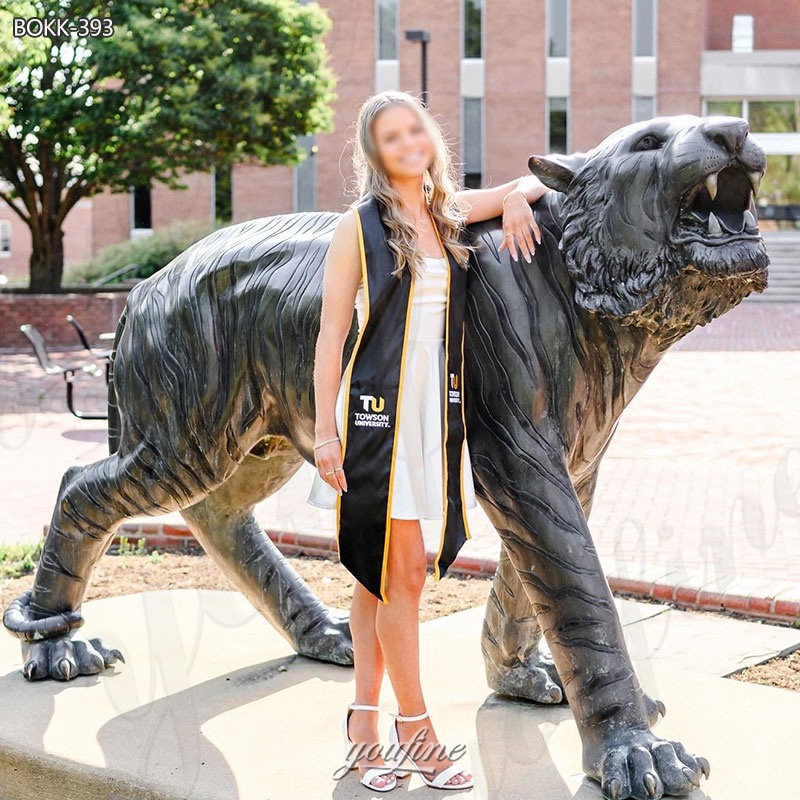
YouFine’s bronze horse installation checklist covers the site measurements, foundation, anchor points and lifting access to confirm before shipment. Its school mascot statue cost guide also distinguishes the factory sculpture price from freight, duties, lifting and installation costs.
Our workshop can prepare protective packing, coordinate shipment details and provide practical installation information for the local team, as described on the Animal Sculpture Gallery home page. The exact delivery, insurance and site services for your project should still be confirmed in its written quotation; this article is not a promise that every shipment includes DDP, cargo insurance or installation.
What should you ask for in a landed-cost quote?
A useful quote separates the sculpture price from the cost to receive and install it. Send the supplier your destination country, full receiving address, site photos, gate and road restrictions, target date, and whether a forklift or crane can be supplied locally. Then request a written breakdown of:
- Finished sculpture and any base or detachable components.
- Crating, export documents and origin handling.
- Main freight, destination handling and onward delivery to the named
- The agreed Incoterms® 2020 rule and who pays import clearance, broker fees, duties and taxes.
- Cargo insurance: insured amount, route, exclusions and claim contact.
- Unloading, uncrating, on-site movement, foundation and installation—each marked included, excluded or buyer-arranged.
This is especially useful when comparing a low factory-only price with a higher delivered quote. The U.S. International Trade Administration’s Incoterms guide explains why the agreed term should allocate transport tasks, costs, and risk; it also notes that Incoterms do not replace a complete sales contract. Write down any project-specific service that the term does not settle.
Frequently asked questions
If a seller says “door-to-door,” are import taxes included?
No assumption is safe. Ask for the named address and delivery term. DAP can involve transport to your address while you still pay import clearance, duties, and taxes. Under DDP, the seller takes responsibility for import formalities and related charges, provided it can perform them in your destination.
Can the buyer use a local customs broker?
Usually, yes when the buyer is responsible for import clearance, such as under DAP. Ask the broker what authorization and paperwork the buyer must provide. For U.S. shipments, the importer of record should review the entry even if a broker files it.
Is a bronze animal sculpture automatically free of duty?
No universal answer applies. Classification and taxes depend on the work and the importing jurisdiction. Ask a qualified broker for a written estimate based on the actual invoice, material, origin, and destination rather than relying on the word “art.”
Is cargo insurance included in DAP or DDP?
Not automatically. These terms allocate transit risk to the seller up to the named delivery point, but do not obligate the seller to arrange insurance for the buyer. Request written coverage details and confirm who can submit a claim.
Who pays for the crane when a large sculpture arrives?
It depends on the quotation. DAP and DDP normally place unloading on the buyer, and neither term by itself includes moving and installing the sculpture on its foundation. Arrange the crew and lifting equipment in advance unless the seller expressly includes those services.
What if the crate arrives damaged?
Document its condition before and during unloading, note visible damage with the carrier, preserve photos and packaging, and contact the carrier, seller and insurer quickly. The claims process and deadlines depend on the transport contract and insurance policy.
Make the handoff clear before production ends
A good shipping plan identifies one responsible party at every handoff: workshop to carrier, export clearance, import entry, final transport, unloading and installation. The written delivery term tells you much of the story; the named destination and the line-item scope tell you the rest.
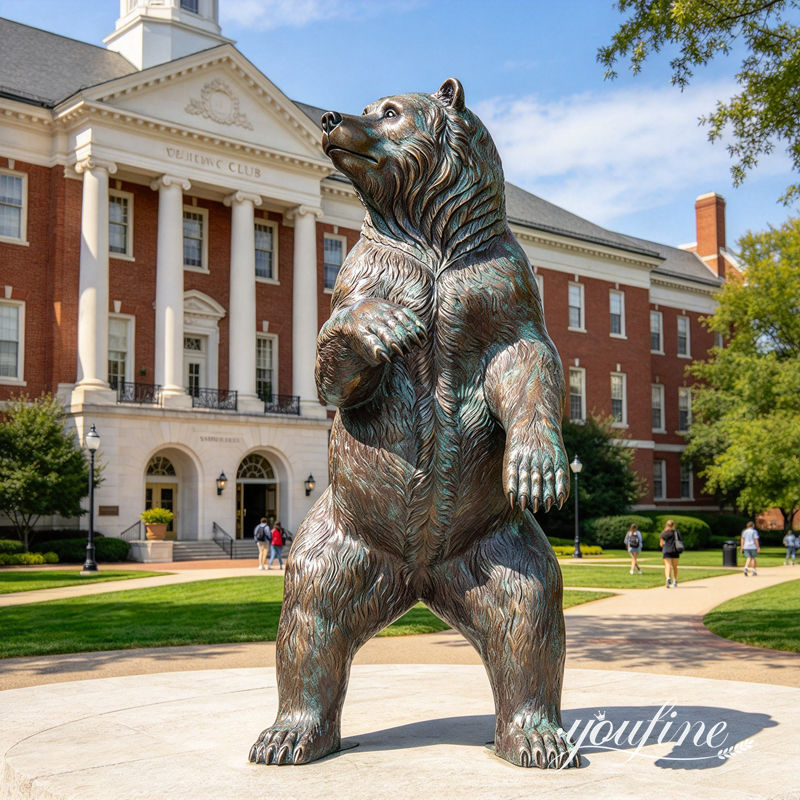
If you are planning a bronze animal sculpture for an estate, school, resort or public space, send YouFine your preferred design, approximate size and destination, plus a few site photos. We can review the packing and delivery requirements with you and clarify what belongs in the project quotation before the sculpture leaves the workshop.