Over the years, I’ve worked with countless clients who are drawn to equestrian statues. Some are building luxury estates, others are designing public spaces, and many simply want a powerful artistic centerpiece. Almost all of them ask me the same question: What does an equestrian statue actually mean?
At first glance, it’s a simple concept—a rider on a horse. But in my experience as a sculpture foundry, I can tell you that these statues carry far deeper meanings. They represent power, control, honor, and sometimes even mystery.
I’ve also heard many people confidently explain the “hidden code” behind horse leg positions. But is that really true?
In this article, I’ll walk you through everything I’ve learned—from historical origins to symbolic meanings and common myths—so you can truly understand what an equestrian statue represents.
What Is an Equestrian Statue?
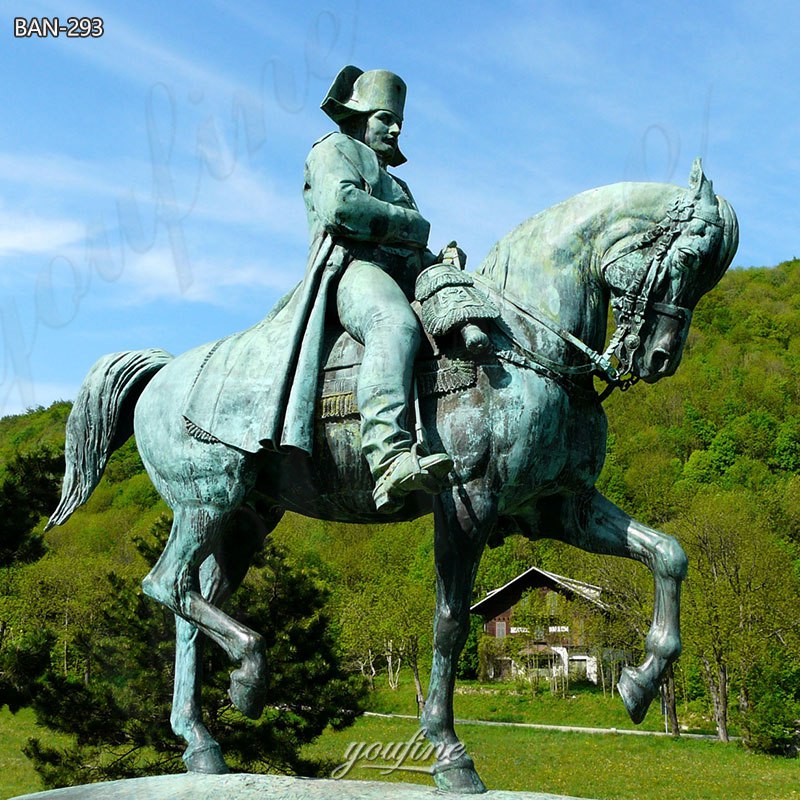
In simple terms, an equestrian statue is a sculpture of a person riding a horse. The word “equestrian” comes from Latin, meaning “horseman.”
In my daily work, I mainly focus on equestrian statues in bronze and marble. Bronze is by far the most popular choice, especially for outdoor installations, because of its durability and ability to capture fine details.
I’ve created equestrian statues for a wide range of settings, including:
- Large public squares
- Private gardens and estates
- Commercial plazas and hotels
- Memorial and historical projects
No matter where they are placed, these statues always become a focal point. There’s something about the combination of horse and rider that naturally draws attention.
The Historical Origins of Equestrian Statues
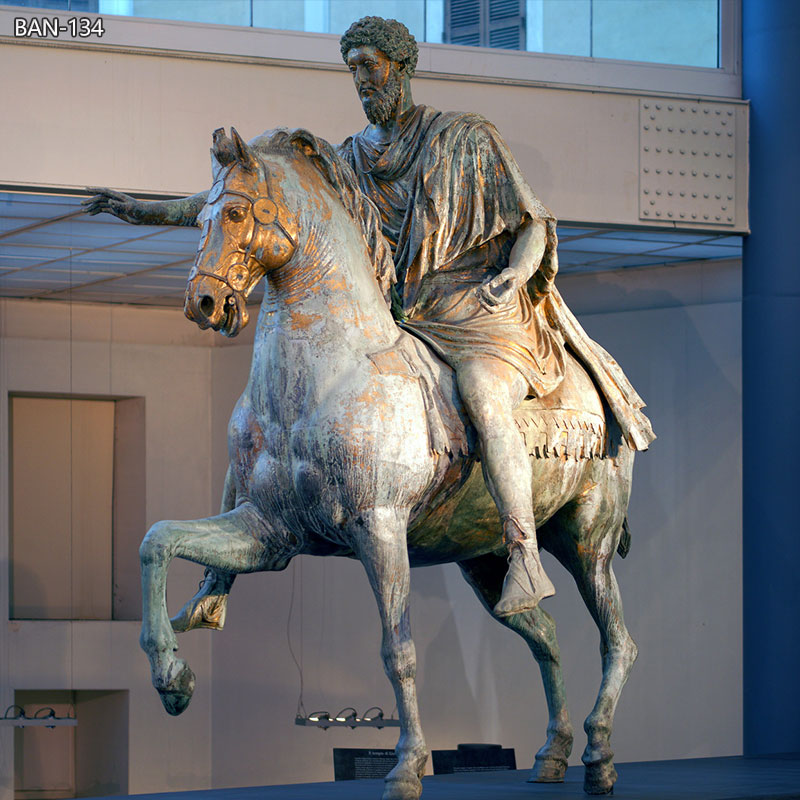
When I first started studying equestrian sculptures, one piece that left a strong impression on me was the Equestrian Statue of Marcus Aurelius.
This statue, created in ancient Rome, shows the emperor calmly extending his hand. What struck me most is not just the craftsmanship, but the message—it’s not about aggression, but control and authority.
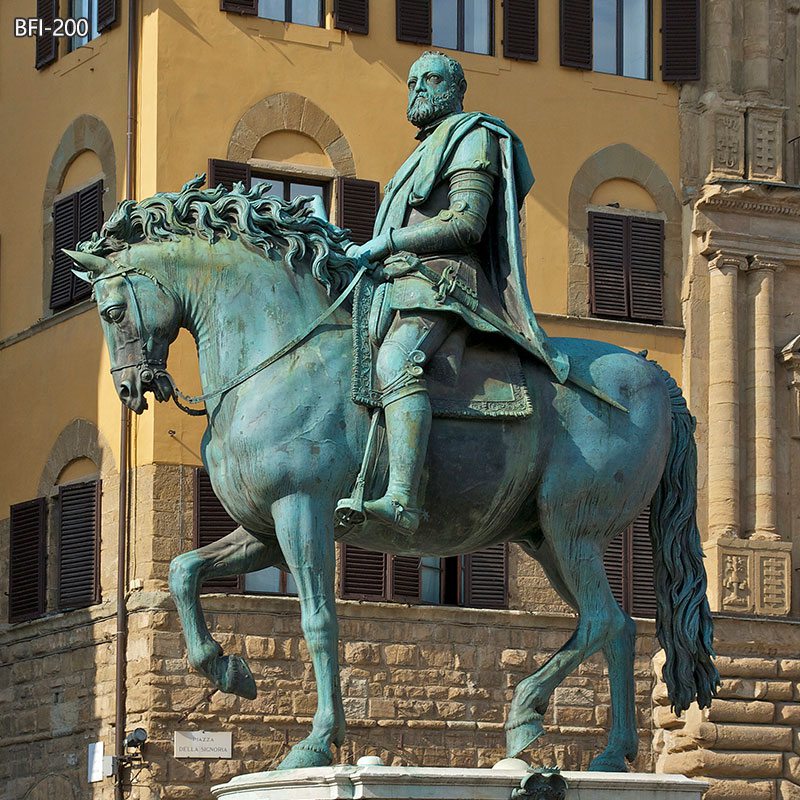
Later, during the Renaissance, equestrian statues became popular again in Europe. Artists began to revive classical styles and push realism even further.
One of the most influential works from that period is the Statue of Gattamelata. As someone who studies sculpture techniques closely, I admire how balanced and lifelike it is. It set a standard that many modern sculptors, including us, still learn from.
Understanding this history has helped me realize that equestrian statues were never just decoration—they were always meant to convey status and meaning.
What the Horse Statue Represents
When clients choose an equestrian statue, they often focus on the rider. But I always remind them: the horse itself carries powerful symbolism.
Power and Energy
A strong, muscular horse immediately conveys strength. When YouFine artists supervise production, they pay close attention to the horse’s posture because it defines the entire piece.
Freedom and Movement
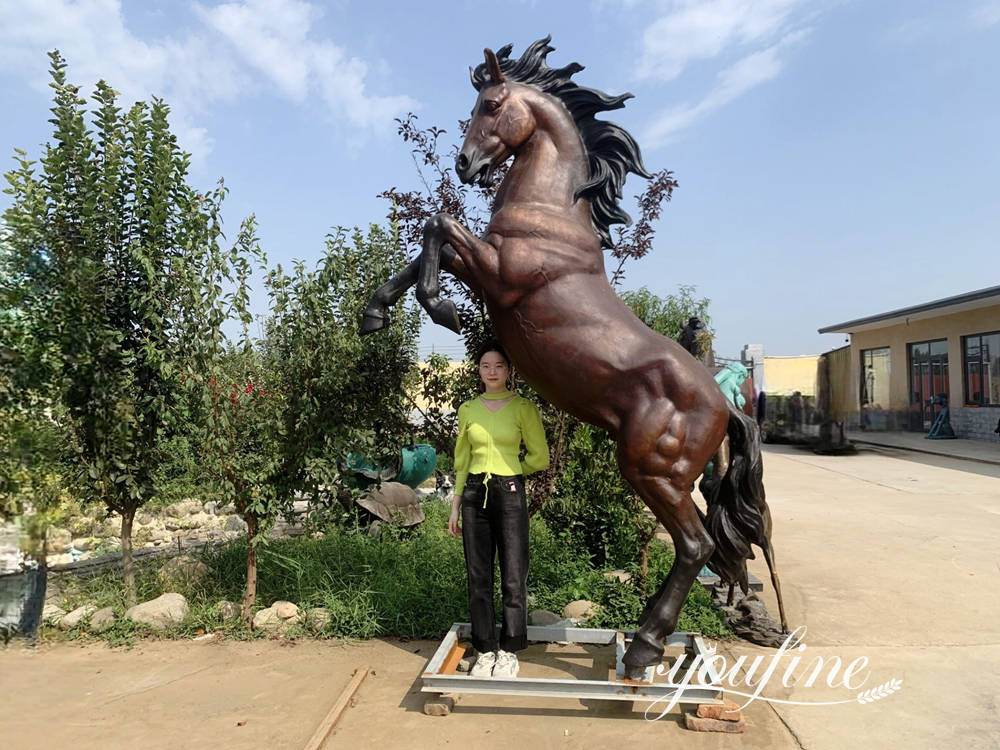
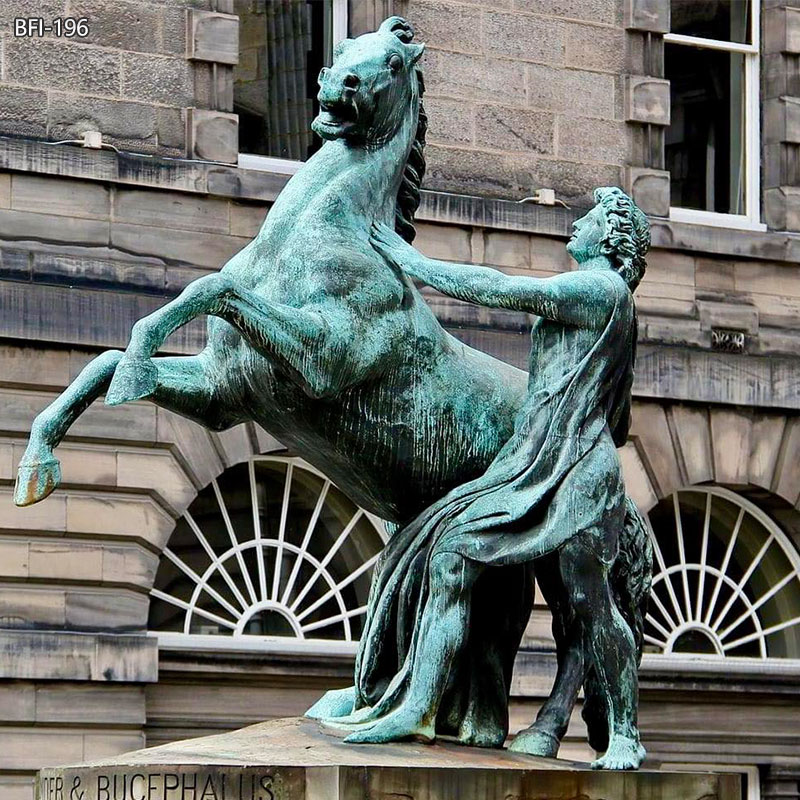
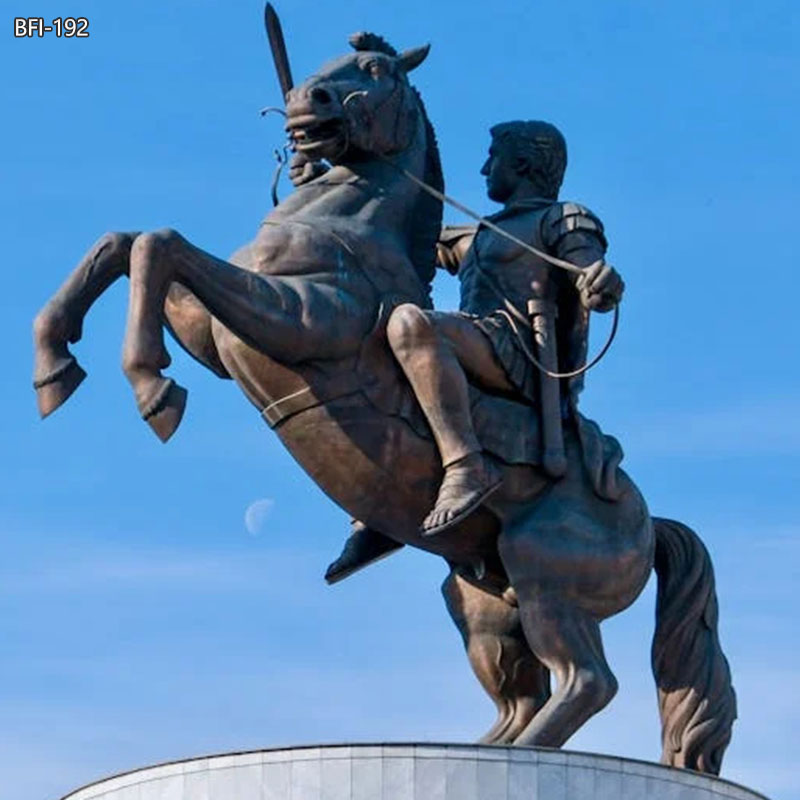
A rearing or moving horse suggests momentum and ambition. Many clients specifically request dynamic poses because they want to express progress and forward thinking.
Loyalty
Historically, horses were loyal companions in battle and daily life. This adds emotional depth to the sculpture.
Victory and War
In traditional equestrian statues, the horse often represents success in battle. Even today, this symbolism still resonates with many buyers.
What the Rider Represents
If the horse represents raw power, then the rider represents control over that power.
In many of the custom projects I’ve worked on, the identity of the rider is the most important element. Whether it’s a historical figure or a symbolic character, the rider tells the main story.
Leadership
An upright, composed rider suggests authority and confidence.
Honor and Legacy
Many equestrian statues are created to commemorate someone important. I’ve had clients request statues to honor founders, leaders, or even family figures.
Cultural Identity
In public projects, the rider often represents shared values or history. This is especially common in large city installations.
What I find most interesting is the relationship between the rider and the horse. A well-designed equestrian statue shows harmony—power under control.
The Truth About the Horse Leg Position Myth
This is probably the question I get asked most often.
Many clients come to me and say something like:
“Is it true that the horse’s legs tell you how the rider died?”
The common explanation goes like this:
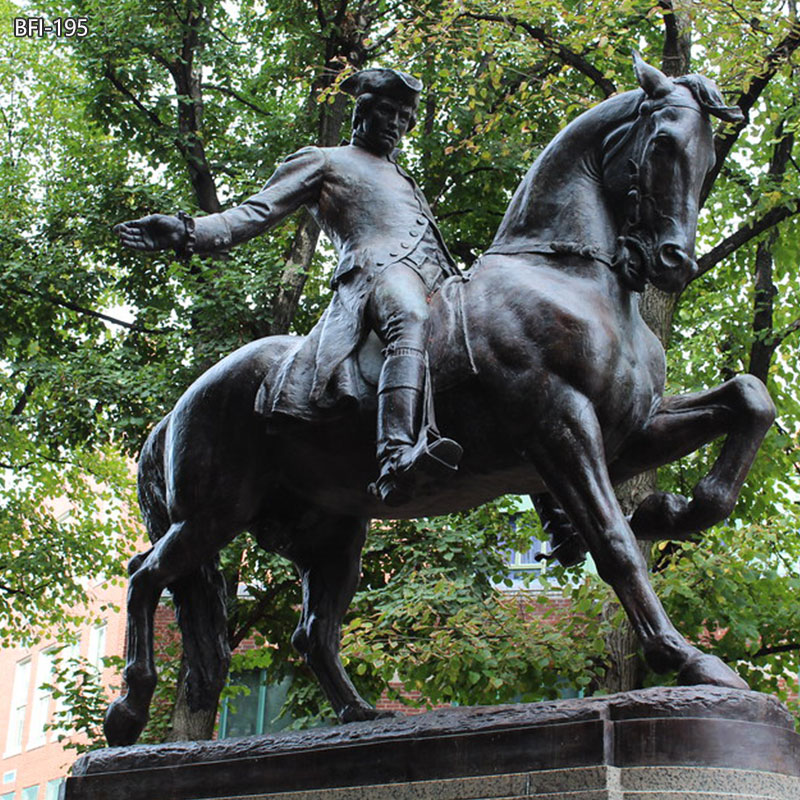
- Two legs raised = died in battle
- One leg raised = died from wounds
- Four legs on the ground = died naturally
I understand why people find this idea fascinating—it makes the statue feel like a coded message.
But based on everything I’ve studied and observed, I can confidently say:
This is not a reliable rule.
There is no universal standard that sculptors follow. In fact, I’ve seen many famous equestrian statues that completely contradict this pattern.
From a practical standpoint, the horse’s pose is usually chosen for artistic balance and structural stability—not to encode historical information.
That said, the myth itself has become part of the charm. Many clients still enjoy discussing it, and it often sparks interesting conversations.
Famous Equestrian Statues
Equestrian Statue of Marcus Aurelius – Rome, Italy
This ancient bronze statue is one of the few surviving examples from classical Rome. When I first visited it, I was struck by how the calm authority of Marcus Aurelius dominates the sculpture. The horse’s pose conveys strength and control without any dramatic action—showing that equestrian statues don’t always need motion to symbolize power.
Statue of Gattamelata – Padua, Italy
I remember studying this statue when I was learning Renaissance techniques. Donatello captured both the personality of the condottiero Gattamelata and the muscularity of his horse with incredible realism. In my own work, I often refer to the balance and proportion seen here to ensure my statues feel lifelike and commanding.
Equestrian Statue of Peter the Great
This dynamic bronze statue, known as the “Bronze Horseman,”shows Peter the Great riding a rearing horse. When I saw photos of it, I realized how a more energetic pose can express ambition and visionary leadership—something I sometimes apply when designing custom commissions for clients who want movement and drama.
Statue of Robert E. Lee
Even controversial statues can teach valuable lessons. The equestrian statue of Robert E. Lee highlights how these works carry not just artistic meaning, but also complex historical narratives. In my discussions with clients, I emphasize that equestrian statues reflect both symbolism and cultural context.
Statue of Joan of Arc
Finally, I love this statue because it represents courage and determination. The horse is strong yet poised, and Joan’s stance reflects unwavering resolve. Whenever I work on a heroic figure for a client, I try to capture that same balance of energy and dignity.

Why Equestrian Statues Are Still Popular Today
You might think equestrian statues belong to the past, but in my experience, demand is still very strong.
They Create a Powerful Visual Impact
Whenever we install a large equestrian statue, it instantly becomes the centerpiece of the space.
They Represent Prestige
Many of my clients want to convey a sense of luxury and status. An equestrian statue does this naturally.
They Are Timeless
Unlike trendy designs, equestrian statues have a classic appeal that doesn’t go out of style.
They Can Be Fully Customized
Today, we can create equestrian statues in different sizes, styles, and materials. This flexibility makes them suitable for both traditional and modern projects.
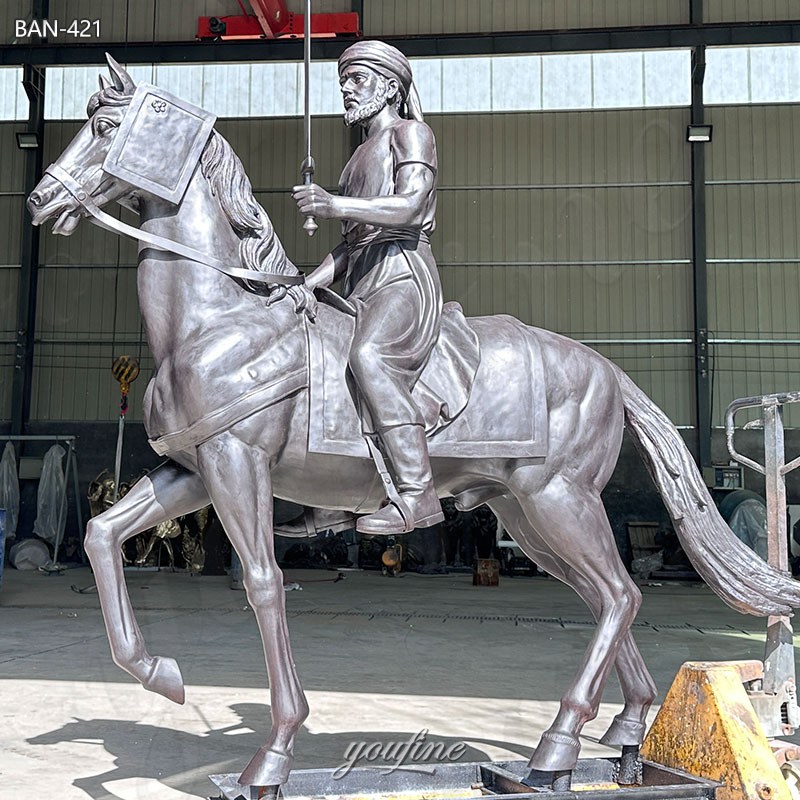
How I Help Clients Choose the Right Equestrian Statue
When clients come to me, they often have a general idea but need guidance on the details.
Here’s the process I usually recommend:
- Choosing the Right Size: The scale should match the environment. For large outdoor spaces, life-size or larger works best.
- Selecting Materials: Bronze is ideal for durability and detail; Marble offers a refined, elegant look; Stone provides a more natural aesthetic
- Deciding on Style: Some clients prefer classical designs, while others want something modern. I always suggest choosing a style that matches the surrounding architecture.
- Customization: This is where things get exciting. From the horse’s pose to the rider’s expression, every detail can be tailored.
As a sculpture manufacturer, YouFine spent years working on equestrian statues of all sizes and styles.
Our team uses traditional techniques like lost-wax casting for bronze sculptures, combined with modern tools to ensure precision and quality.
Every project teaches me something new. Some clients focus on historical accuracy, while others prioritize artistic expression.
What remains consistent is this: An equestrian statue is never just a product—it’s a meaningful piece of art.

Conclusion
Equestrian statues represent a balance between power and control, history and artistry.
From the ancient Equestrian Statue of Marcus Aurelius to modern custom creations, these statues continue to capture attention and inspire curiosity.
And while myths like the horse leg positions add an extra layer of intrigue, the true meaning of an equestrian statue lies in the story it tells.
If you’re considering adding one to your space, I can say from experience—it’s a decision that brings both visual impact and lasting significance.