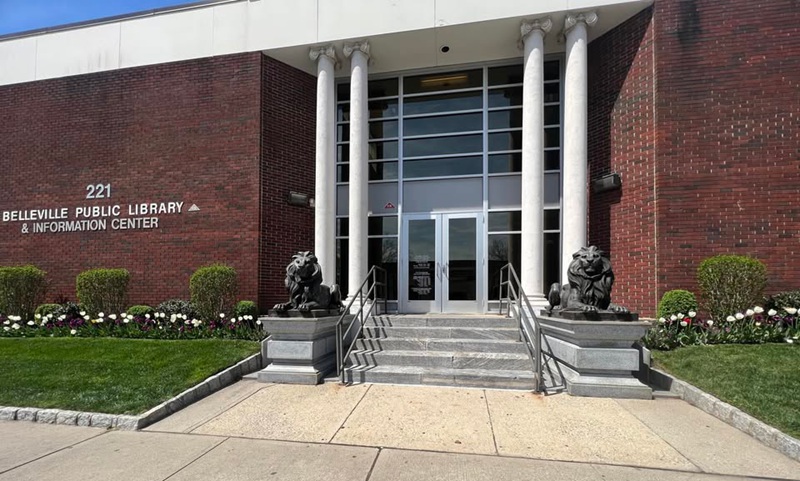
Have you ever noticed how many libraries around the world are guarded by lion statues?
From the grand entrance of the New York Public Library to historic public libraries in Europe and Australia, lions often sit proudly beside staircases and doorways, silently watching everyone who enters. At first glance, they may seem like simple architectural decorations. But in reality, these lions carry deep symbolic meaning rooted in thousands of years of history.
Libraries have long been seen as sacred places of learning, memory, and civilization. And throughout history, lions have represented strength, wisdom, protection, and authority. Together, they create one of the most recognizable symbols in public architecture: the guardian lion of knowledge.
So why are there lion statues in front of libraries? The answer goes far beyond decoration.
Why Do So Many Libraries Have Lion Statues?
Lion statues are placed in front of libraries because lions symbolize protection, courage, wisdom, dignity, and guardianship. Historically, libraries were considered treasures of civilization, storing rare books, historical records, and valuable knowledge. Lions represented the responsibility to protect these intellectual treasures.
In architecture, entrance statues are rarely random. Every detail of a historic building was chosen intentionally, especially in classical and neoclassical architecture. Lions were often selected because they conveyed authority and permanence while also creating a grand, ceremonial entrance.
More importantly, lions communicate an emotional message. They tell visitors that what lies inside the building matters.
A library is not merely a storage room for books. It is a place where societies preserve ideas, culture, history, science, and human memory itself. The lions standing outside symbolize the importance of safeguarding those things.

The Ancient History of Lion Guardian Statues
Long before libraries adopted lion statues, ancient civilizations were already using lions to guard sacred spaces, royal buildings, and ceremonial entrances.
Lions in Ancient Egypt, Greece, and Rome
In ancient Egypt, lion-like guardians appeared in temples and monuments as symbols of divine protection and royal authority. The famous sphinx combined human intelligence with the strength of a lion, creating a powerful protector figure.
Ancient Greek and Roman architecture also used lion imagery extensively. Stone lions appeared near gates, fountains, tombs, and public buildings to symbolize vigilance and strength. Because lions were viewed as kings of the animal world, they naturally became protectors of important places.
Before lions guarded libraries, they guarded temples and palaces.
Medieval and Renaissance Lion Symbolism
During the Middle Ages and the Renaissance, lions became even more connected with power, nobility, and civic pride. European kingdoms frequently used lions in:
- coats of arms
- palace entrances
- government buildings
- cathedrals
- monuments
As public architecture became more monumental in the eighteenth and nineteenth centuries, lion statues became a standard feature of prestigious institutions.
Libraries, museums, universities, and memorial halls all adopted the visual language of guardian lions because it instantly conveyed seriousness and authority.
Why Lions Became the Ultimate Architectural Guardians
Many animals symbolize wisdom or strength, but lions uniquely combine several important qualities at once:
- physical power
- leadership
- vigilance
- courage
- majesty
- intelligence
Architecturally, lions also work extremely well because they are visually balanced, symmetrical, and commanding when placed in pairs at entrances.
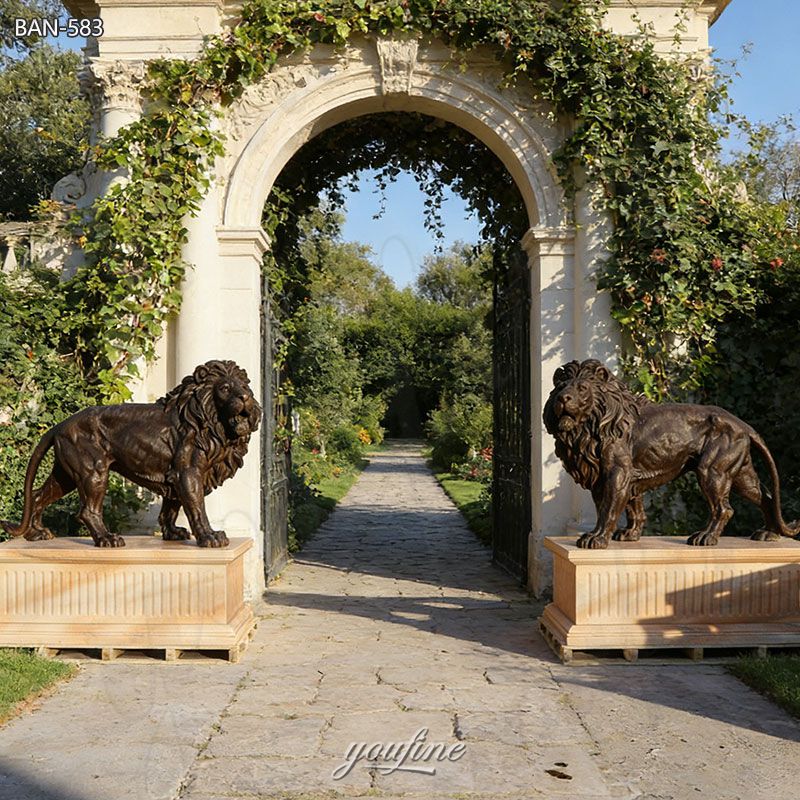
A pair of seated lions immediately transforms a doorway into something ceremonial and important.

Why Libraries Specifically Chose Lions
Libraries did not choose lions by accident. The symbolism fits perfectly with the historical role of libraries in society.
Libraries Were Once the Safest Places for Human Knowledge
Today information is everywhere online, but for most of history, books were rare and precious.
Libraries preserved:
- handwritten manuscripts
- scientific discoveries
- legal documents
- religious texts
- historical records
In many civilizations, destroying a library meant destroying memory itself.
Because knowledge was considered one of humanity’s greatest treasures, libraries needed symbols that represented protection and permanence. Lions became the perfect guardians.
Lion Statues Symbolize the Protection of Knowledge
The lions outside libraries are not protecting gold or weapons. Symbolically, they are protecting ideas.
They represent the defense of:
- wisdom
- truth
- education
- culture
- civilization
This symbolism became especially important during the nineteenth century, when public libraries expanded rapidly across Europe and North America. Cities wanted libraries to appear stable, dignified, and worthy of respect.
Lion statues helped communicate those values instantly.
Libraries Wanted to Inspire Respect and Awe
Many historic libraries were intentionally designed to feel monumental.
Architects used:
- grand staircases
- towering columns
- marble facades
- symmetrical entrances
- guardian sculptures
The goal was psychological as well as aesthetic. Entering a library was supposed to feel meaningful.
Libraries were often described as “temples of knowledge,” and lion statues reinforced that idea. They reminded visitors that learning deserves seriousness, patience, and discipline.
Lions Also Represent Courage and Intellectual Strength
Seeking knowledge requires courage.
Throughout history, scholars, scientists, writers, and thinkers often challenged accepted beliefs and explored difficult truths. Libraries became places where people searched for understanding and personal growth.
Lion statues quietly symbolize the inner strength needed for that journey.
They represent:
- courage to seek truth
- perseverance in learning
- intellectual confidence
- discipline and patience
This deeper emotional symbolism is one reason library lions continue to resonate with people today. You could learn more: What Does the Bronze Lion Statue Represent?
The Meaning Behind the Famous New York Public Library Lions
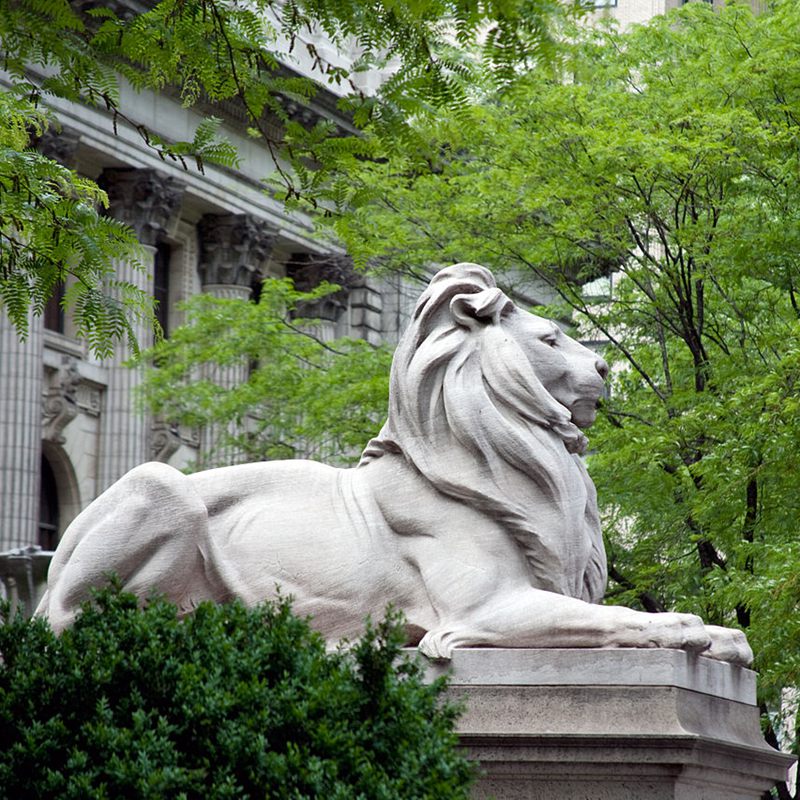
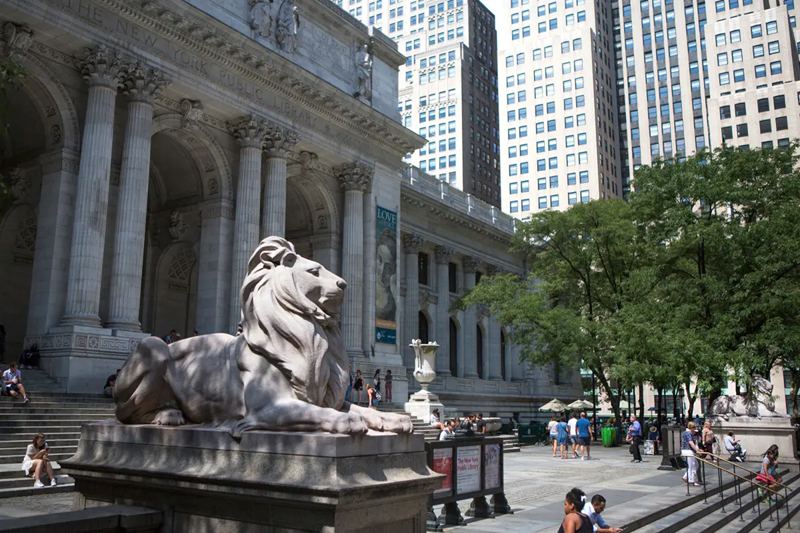
Perhaps the most famous library lion statues in the world stand outside the New York Public Library.
These two monumental marble lions have become international cultural icons.
Who Created the NYPL Lions?
The lions were sculpted by Edward Clark Potter and installed in 1911 outside the library’s Fifth Avenue entrance.
Carved from pink Tennessee marble, the statues were designed to embody dignity, calm strength, and protection.
Over time, they became one of the most recognizable symbols of New York City itself.
Why Are They Called Patience and Fortitude?
During the Great Depression, Fiorello La Guardia gave the lions their famous names:
- Patience
- Fortitude
He believed these were the two qualities New Yorkers needed most during difficult times.
The names transformed the lions from architectural decorations into symbolic public figures representing resilience, determination, and hope.
Today, millions of visitors photograph the lions every year, and they remain deeply associated with learning, endurance, and civic pride.
Famous Lion Statues at Libraries Around the World
The New York Public Library lions may be the most famous, but they are far from the only examples.
Libraries across the world have adopted lion sculptures to symbolize the importance of knowledge and public education.
State Library Victoria Lions
The lions outside the State Library Victoria create a dignified and monumental entrance that reflects the importance of public learning in nineteenth-century Australia.
Like many institutional lion statues, they combine architectural grandeur with symbolic guardianship.

Boston Public Library Lions
The lion sculptures associated with the Boston Public Library carry a more memorial and heroic tone, connecting education with civic sacrifice and public service.

The Morgan Library: Edward Clark Potter’s Lions
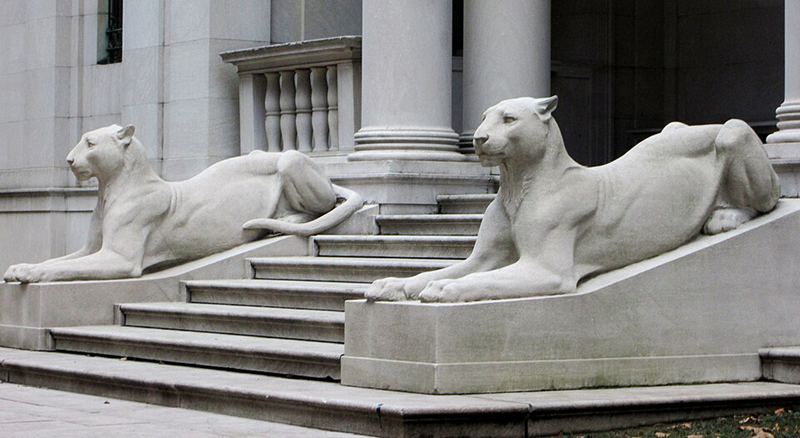
The pair of lion sculptures flanking the main entrance steps of The Morgan Library & Museum—titled *Edward Clark Potter’s Lions*—were created in 1903 by the renowned American animal sculptor Edward Clark Potter. Carved from Tennessee marble, these elegant and majestic lionesses were inspired by actual lions he observed at the Bronx Zoo.
They serve not only as the most iconic architectural ornamentation of the Morgan Library but are also regarded as the precursors to the New York Public Library’s later lion statues, “Patience” and “Fortitude.”
Through his meticulous rendering of musculature and their poised demeanor, Potter seamlessly blended the solemnity of classical architecture with the vitality of animal sculpture, establishing this pair of lions as a classic masterpiece within New York’s public art landscape.
Why Lions Instead of Owls or Eagles?
Many animals symbolize wisdom or power, so why did libraries overwhelmingly choose lions? The answer lies in symbolism and visual impact.
| Animal | Symbolism | Why Less Common for Libraries |
| Owl | Wisdom | Too small and gentle visually |
| Eagle | Vision and freedom | More political or national |
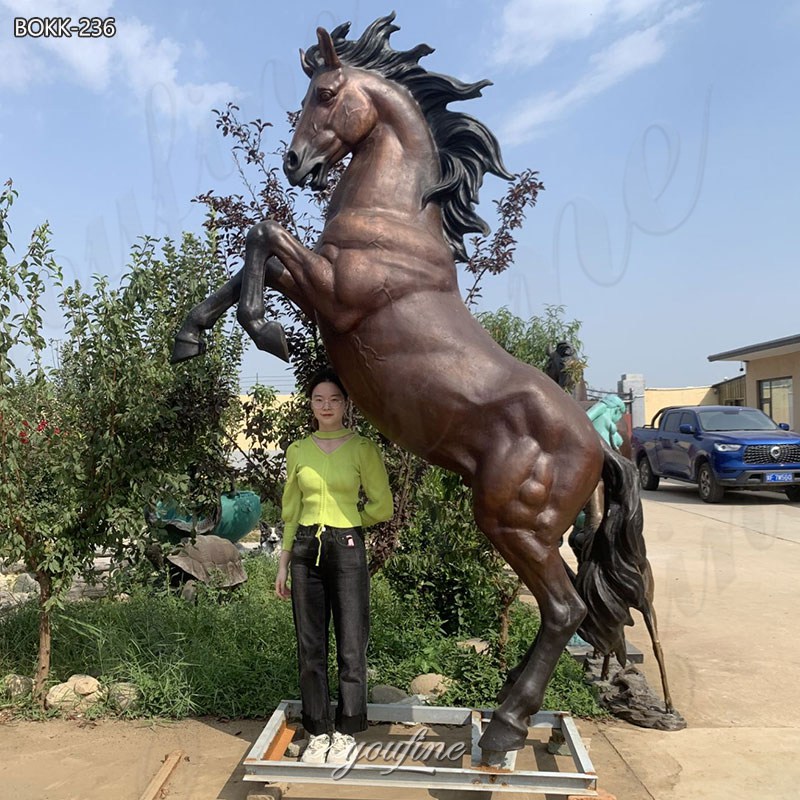
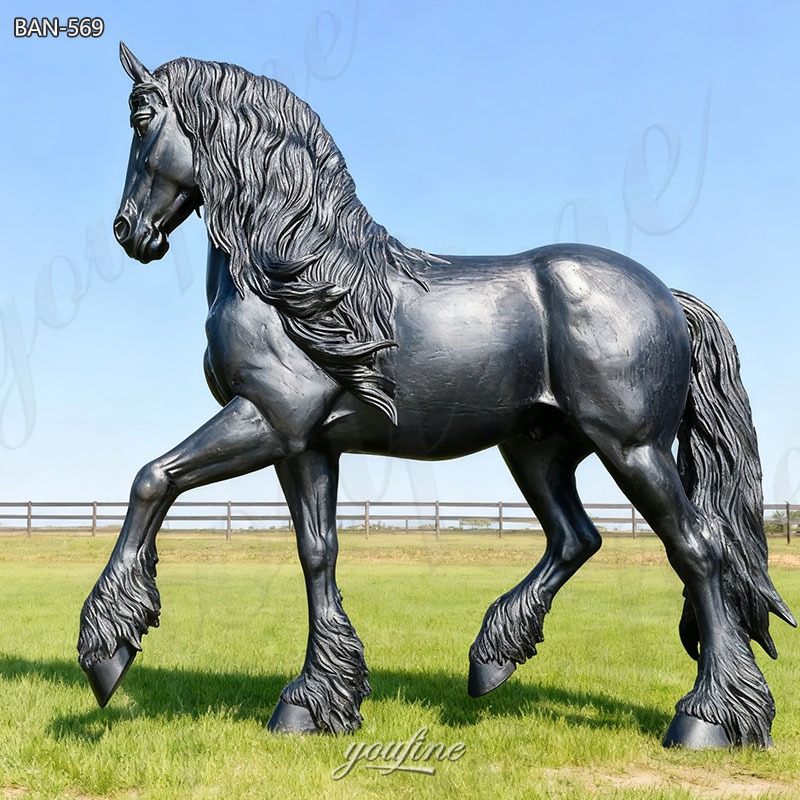
| Horse | Heroism and movement | Less protective in symbolism |
| Angel | Spirituality | Too religious for public institutions |
| Lion | Strength, wisdom, authority, guardianship | Perfect architectural guardian |
Lions combine intellectual symbolism with physical presence. They feel both protective and majestic, making them ideal for monumental public architecture.
Architectural Reasons Libraries Use Lion Sculptures
Lion statues are not only symbolic. They also serve important architectural purposes.
Creating a Grand Entrance
Large lion sculptures naturally frame staircases and doorways, directing visitors toward the main entrance.
When placed symmetrically, they create:
- balance
- drama
- visual hierarchy
- ceremonial atmosphere
This helps libraries feel more monumental and memorable.
Adding Permanence and Stability
Stone and bronze lion sculptures give buildings a timeless quality.
Because lions are associated with endurance and strength, they visually reinforce the idea that libraries are lasting institutions built to preserve civilization across generations.
Making Public Buildings Feel Important
Public architecture often aims to inspire civic pride.
Large guardian lions increase the visual weight and authority of a building, helping libraries appear:
- trustworthy
- prestigious
- stable
- culturally significant
Even modern architects continue using lion sculptures for this reason.
Are Lion Statues Still Used in Modern Architecture?
Absolutely.
Today lion statues continue to appear in:
- universities
- museums
- memorial halls
- luxury estates
- government buildings
- cultural institutions
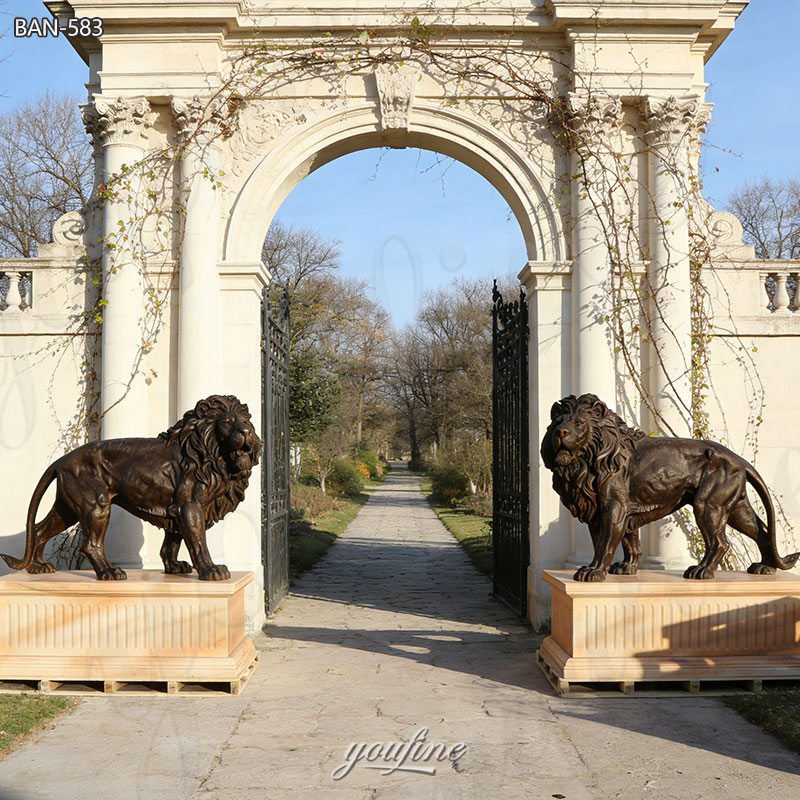
Modern lion sculptures may range from highly classical marble carvings to sleek contemporary bronze designs, but the symbolism remains surprisingly consistent.
They still represent:
- protection
- prestige
- authority
- wisdom
- permanence
Bronze lion statues are especially popular because of their durability and ability to develop a beautiful natural patina over time. Marble lion sculptures remain closely associated with classical European architecture and institutional elegance.

Conclusion
The next time you see lion statues outside a library, you may notice something deeper than decoration.
These powerful guardians represent a timeless belief: knowledge is valuable, and what is valuable deserves protection.
From ancient temples to modern public libraries, lions have continued to stand watch over the places where human wisdom lives. Their presence connects architecture, history, culture, and symbolism in a way few other sculptures can.
And perhaps that is why library lions continue to fascinate us today. They are not simply statues of animals. They are guardians of civilization itself.
Looking for Lion Sculptures for Your Entrance?
At YouFine Animal Sculpture Gallery, we specialize in handcrafted:
- bronze lion statues
- marble guardian lions
- architectural entrance lion sculptures
- custom animal statues for public buildings and estates
Whether for libraries, schools, museums, gardens, or civic spaces, our team creates timeless lion sculptures inspired by both classical and contemporary traditions.