If you’ve ever walked through residential neighborhoods in the United States—especially upscale communities—you’ve likely noticed a recurring design choice: lion statues placed at the entrance of homes, along driveways, or in carefully designed gardens.
At first glance, they may seem like simple decorative pieces. But in reality, these lion statues carry layers of meaning rooted in history, culture, and personal expression. So why do American homeowners choose lion statues instead of other animals?
The answer lies in symbolism, tradition, and the powerful visual impact these sculptures create.
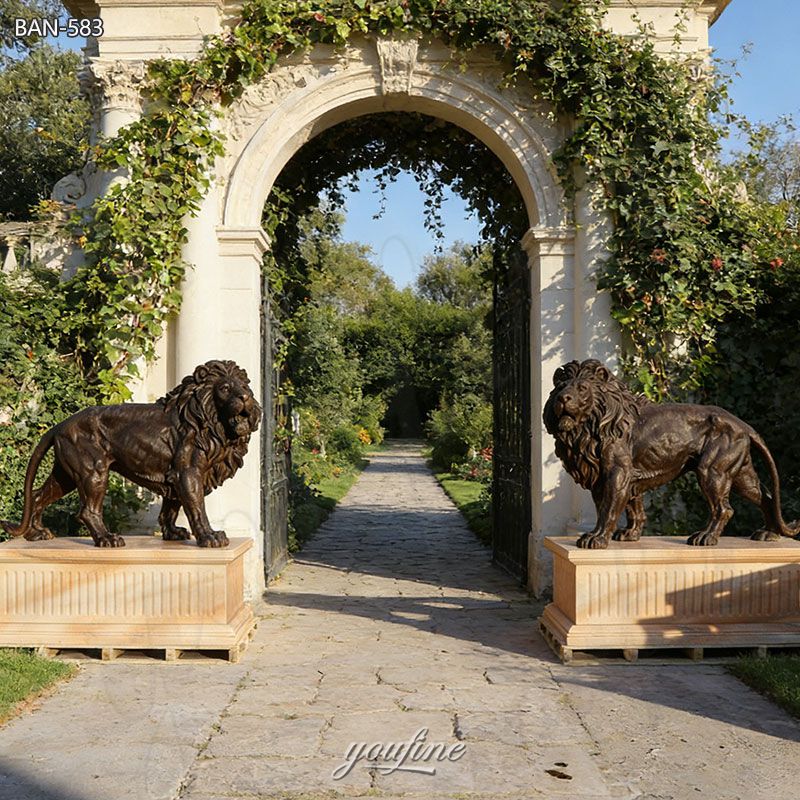
The Symbolism of Lion Statues
Strength and Protection
The lion has long been associated with strength and dominance. Across many cultures, lions are seen as natural guardians—watchful, fearless, and in control of their territory.
Placing lion statues at the entrance of a home symbolically turns them into protectors. Even though they don’t provide physical security, they create a psychological sense of defense—like silent sentinels guarding the property.
Wealth, Power, and Status
Lion statues are often large, detailed, and made from premium materials like bronze or marble. Because of this, they naturally convey a sense of wealth and prestige.
In the U.S., homeowners who choose lion statues are often making a statement. Much like grand columns or wrought iron gates, lions signal a certain level of sophistication and success.
Courage and Authority
Lions are widely known as the “king of beasts.” This idea transcends cultures and reinforces themes of leadership, authority, and confidence.
For many homeowners, placing a lion statue outside is a subtle way to express personal identity—bold, confident, and commanding.
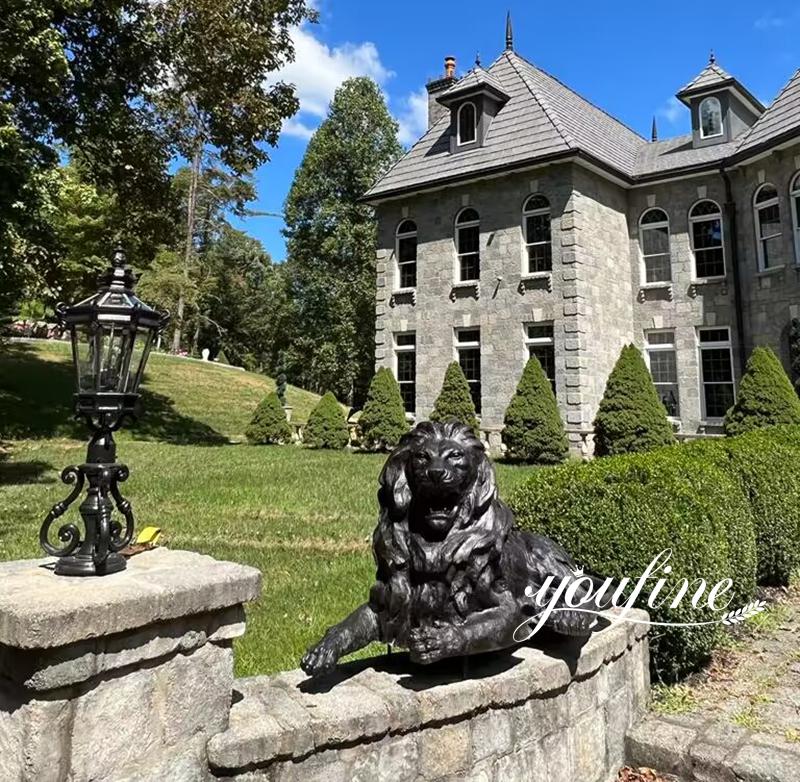
Historical and Cultural Influences
European Architectural Traditions
The popularity of lion statues in America is heavily influenced by European design. In countries like Italy, France, and the United Kingdom, lion sculptures have long been used to decorate estates, palaces, and formal gardens.
As European architectural styles were brought to the United States, so too were these symbolic elements. Today, lion statues remain a staple in classical and luxury home design.
Ancient Civilizations
Lions have appeared in art and architecture for thousands of years. Ancient Egyptians, Greeks, and Romans all used lion imagery to represent protection and divine power.
This historical continuity adds depth to their meaning—modern lion statues are part of a tradition that spans civilizations.
Asian Influence and Feng Shui
Another important influence comes from Asian culture, particularly the use of Chinese guardian lions.
Often placed in pairs, these statues are believed to protect buildings and bring balance and prosperity. While not all American homeowners follow Feng Shui principles strictly, the idea of paired guardian lions has become widely adopted in design.

Why American Homeowners Still Choose Lion Statues Today
Enhancing Curb Appeal
Lion statues create a strong first impression. Whether placed at the entrance or in a front yard, they immediately draw attention and add a sense of structure and elegance to the property.
Psychological Sense of Security
Even in modern settings, the presence of a lion statue can make a home feel more protected. It’s less about actual security and more about perception—both for the homeowner and for visitors.
Landscaping and Design Impact
Lion statues work well with a variety of landscape elements, including:
- Stone pathways
- Decorative gates
- Water features like fountains
- Symmetrical garden layouts
They often serve as focal points that tie the entire outdoor design together.
Personal Style and Expression
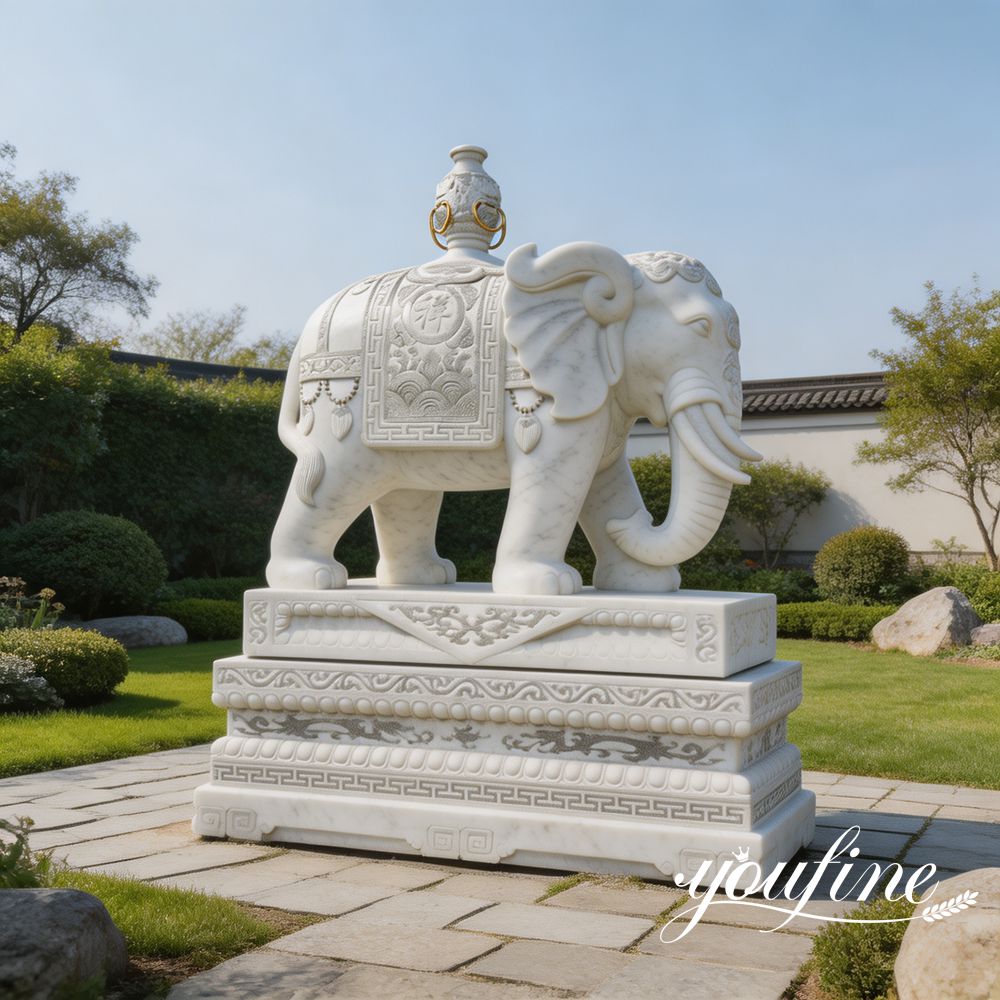
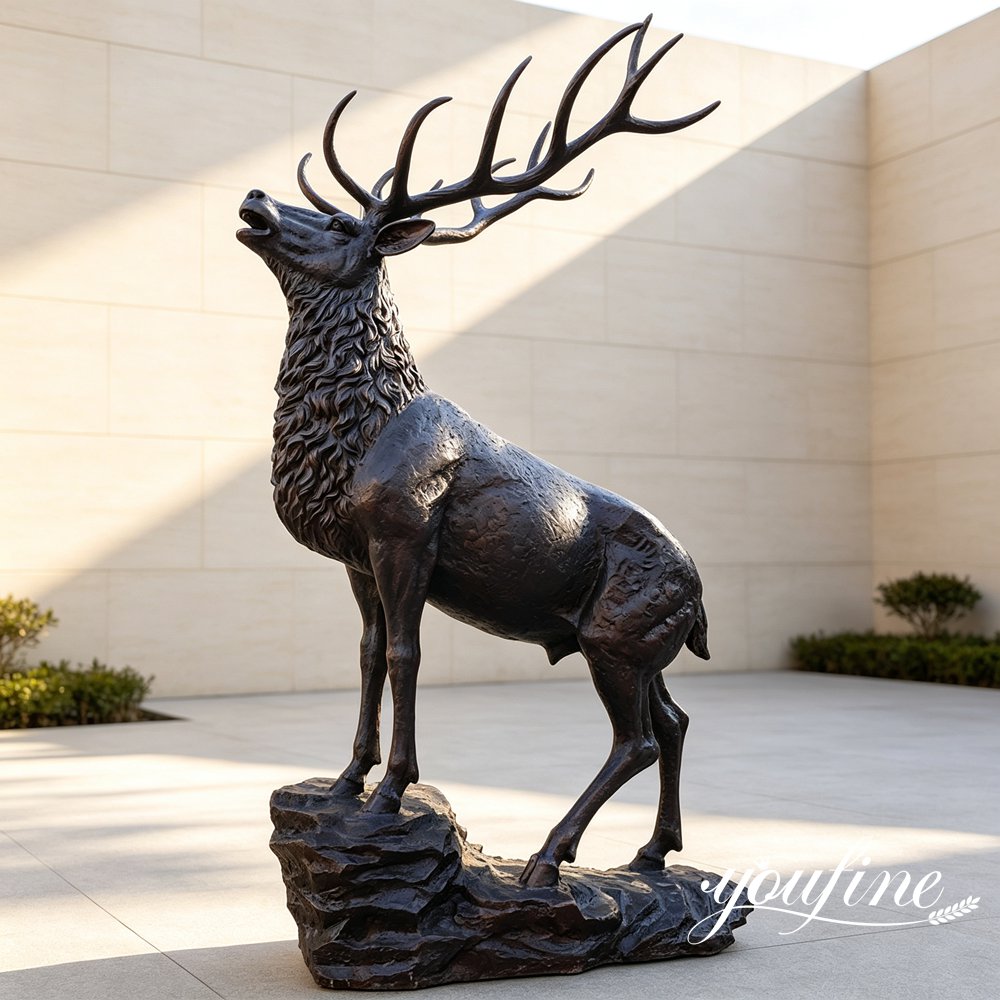
Some homeowners prefer deer or eagle sculptures, but lions stand out for their boldness. Choosing a lion often reflects a preference for classic, powerful, and timeless aesthetics.

Where to Place Lion Statues for the Best Effect
At the Entrance or Gate: This is the most traditional placement. A pair of lions flanking the entrance creates a strong, balanced visual and reinforces the idea of protection.
Near the Front Door or Porch: Placing lions close to the doorway makes them more prominent and directly associated with the home’s identity.
In the Garden or Lawn: Lions can also be used as standalone decorative elements within a landscape design, especially in larger yards.
Symmetrical vs. Single Placement: Symmetrical pairs create a formal, classical look; Single statues offer a more modern or artistic feel.

Common Questions About Lion Statues
- Are lion statues considered good luck?
Yes, in many cultures they symbolize protection, strength, and prosperity.
- Should lion statues be placed in pairs?
Pairs are traditional and create balance, but single statues can also work depending on the design.
- Which direction should lion statues face?
They are typically placed facing outward, symbolically guarding the property.
- What size is best for a home entrance?
It depends on the scale of the property, but larger statues generally create a stronger visual impact.
- Are lion statues only for luxury homes?
Not at all. While often associated with upscale properties, there are options for a wide range of budgets.
Conclusion
Lion statues are far more than decorative objects. They represent a blend of history, symbolism, and personal expression that continues to resonate with American homeowners today.
From ancient civilizations to modern residential design, the image of the lion has always stood for strength, protection, and prestige. Whether placed at a grand estate entrance or a modest front porch, lion statues create a powerful first impression that few other elements can match.
If you’re considering adding a lion statue to your home, choosing the right material, size, and design is essential to achieving the desired impact. A well-crafted piece can last for decades and become a defining feature of your property.
At YouFine, we specialize in handcrafted lion sculptures made from high-quality materials such as bronze and marble. With years of experience in architectural and garden sculpture, we help homeowners, designers, and contractors create pieces that are not only visually striking but also built to endure outdoor conditions.
A lion statue is not just an ornament—it is a statement. And when chosen carefully, it becomes a lasting symbol of your home’s character.