Tiger statues are among the most striking and powerful forms of animal sculpture found around the world. With their muscular bodies, intense gaze, and commanding posture, tiger sculptures naturally attract attention and evoke strong emotions. Throughout history, people from many different cultures have admired the tiger as a symbol of strength, courage, authority, and protection. As a result, tiger statues are not only decorative artworks but also meaningful cultural symbols.
Today, tiger statues can be found in a wide variety of settings—from traditional temples in Asia to luxury gardens, estates, and public parks in Western countries. Whether carved from marble, cast in bronze, or sculpted from stone, these statues often carry symbolic meanings rooted in centuries of cultural tradition.
In this article, we will explore the symbolism of tiger statues in different cultures, including Western, Chinese, Indian, Korean, and Japanese traditions. Understanding these meanings can help collectors, homeowners, designers, and art enthusiasts appreciate why tiger sculptures remain one of the most popular animal statues in the world.

The Universal Symbolism of Tigers
Before exploring cultural interpretations, it is helpful to understand the universal symbolism of tigers. Across many societies, the tiger is recognized as one of the most powerful animals in nature, and this reputation shapes how tiger statues are perceived.
Strength and Power
Tigers are apex predators and among the strongest animals in the wild. Their ability to hunt large prey, move silently through forests, and dominate their territory has made them symbols of physical strength and raw power.
Because of this, tiger statues are often used to represent dominance, confidence, and leadership. In architecture and landscape design, placing a tiger sculpture near an entrance or in a prominent location can create a sense of authority and grandeur.
Courage and Fearlessness
The tiger is also widely associated with courage. Unlike animals that rely on group hunting, the tiger hunts alone, demonstrating independence and fearlessness. This solitary strength has made the tiger a symbol of bravery and determination.
Many cultures have connected the tiger with warriors, heroes, and rulers who demonstrate exceptional courage. A tiger statue can therefore symbolize a fearless spirit and the ability to overcome challenges.
Protection and Guardianship
Another important universal meaning of tiger statues is protection. Because of their power and intimidating presence, tigers are often viewed as natural guardians.
In many cultures, statues of powerful animals are placed at entrances to protect buildings, temples, or properties. Tiger statues serve this role particularly well, symbolizing a watchful protector that guards against danger or negative energy.
Authority and Prestige
Finally, tigers often symbolize authority and prestige. Their commanding appearance and dominant role in the animal kingdom have made them symbols of leadership and royal power.
For this reason, tiger sculptures are frequently used in grand architectural designs, luxury landscapes, and prestigious public spaces.
Tiger Symbolism in Western Culture
Although tigers are native to Asia, they have become powerful cultural symbols in Western societies as well. In Western art, literature, and design, the tiger often represents wild power, independence, and bold personality.
Symbol of Wild Power and Untamed Nature
In Western culture, the tiger is often seen as a symbol of untamed nature. Because it represents a powerful predator living freely in the wild, the tiger embodies raw natural energy and primal strength.
Artists and designers frequently use tiger imagery to convey boldness, intensity, and dynamic movement. A tiger statue can therefore serve as a dramatic centerpiece in gardens, parks, or estates.
Courage and Competitive Spirit
The tiger is also a common symbol of courage and competitive strength in Western sports culture. Many teams adopt the tiger as their mascot to represent determination, resilience, and the will to win.
For example, professional and college sports teams such as the Detroit Tigers and the LSU Tigers use the tiger as a powerful symbol of athletic excellence and fighting spirit.
Because of this association, tiger statues can symbolize ambition, determination, and the drive to succeed.
Luxury and Prestige in Landscape Design
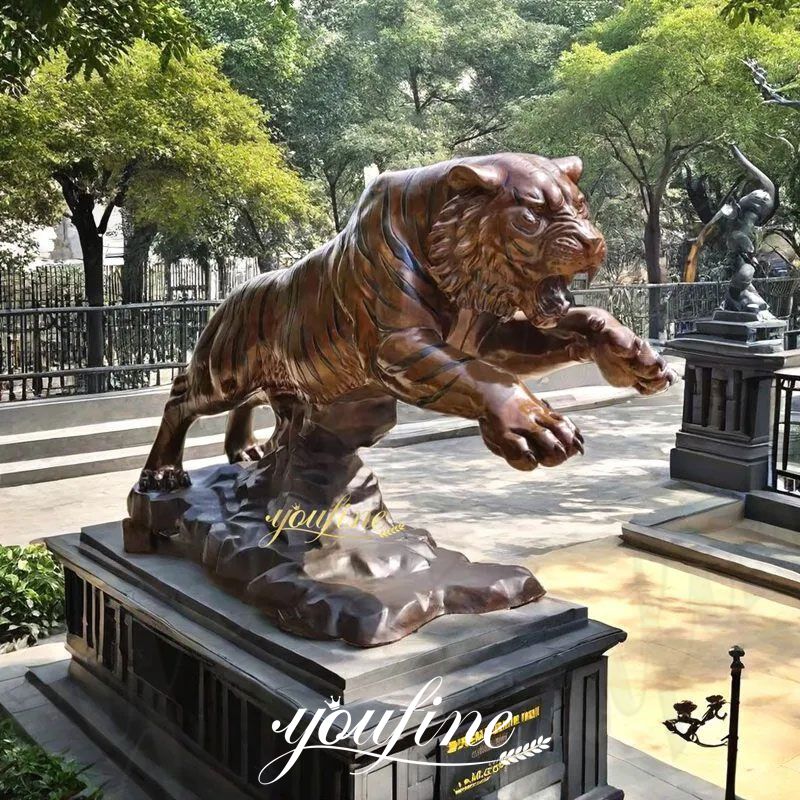
In modern Western landscape architecture, animal sculptures are often used to create visual impact and express personality. Tiger statues, with their dramatic presence, are especially popular in large gardens, luxury estates, resorts, and hotel entrances.
A bronze or marble tiger sculpture placed along a driveway or near a garden pathway can create a sense of elegance and grandeur. In this context, the tiger represents confidence, prestige, and refined taste.
Personal Power and Independence
Tigers are also associated with individuality and independence. Unlike lions, which are often associated with groups or royal hierarchies, the tiger is known as a solitary hunter.
This characteristic has led many people to view the tiger as a symbol of personal strength, self-reliance, and independence—qualities admired in Western culture.

Tiger Symbolism in Chinese Culture
In Chinese culture, the tiger has long been regarded as one of the most powerful and respected animals. It holds a prominent place in mythology, folklore, and traditional symbolism.
The King of Beasts
In traditional Chinese belief, the tiger is often called the “King of Beasts.” Its strength, courage, and commanding presence earned it this title in ancient folklore.
For centuries, tiger imagery has appeared in paintings, architecture, clothing, and sculptures as a symbol of authority and protection.
Protection Against Evil Spirits
One of the most important symbolic meanings of the tiger in Chinese culture is protection against evil spirits. Ancient Chinese people believed that the tiger’s fierce power could frighten away demons and negative forces.
Because of this belief, tiger images were often used in homes, temples, and children’s clothing to ward off bad luck and harmful influences.
The White Tiger in Chinese Mythology
A particularly important symbol in Chinese mythology is the White Tiger. This mythical creature represents the western direction and the element of metal in traditional cosmology.
The White Tiger is also associated with military strength, discipline, and protection. Statues or artwork depicting this mythical tiger symbolize powerful guardian energy.
Tiger Symbolism in Feng Shui
In feng shui, the tiger represents protective energy and balance. The symbolic tiger is often paired with another mythical creature, the dragon, to represent harmony between opposing forces.
A tiger statue placed in the correct location can symbolize protection, strength, and stability within a space.
Tiger Symbolism in Indian Culture
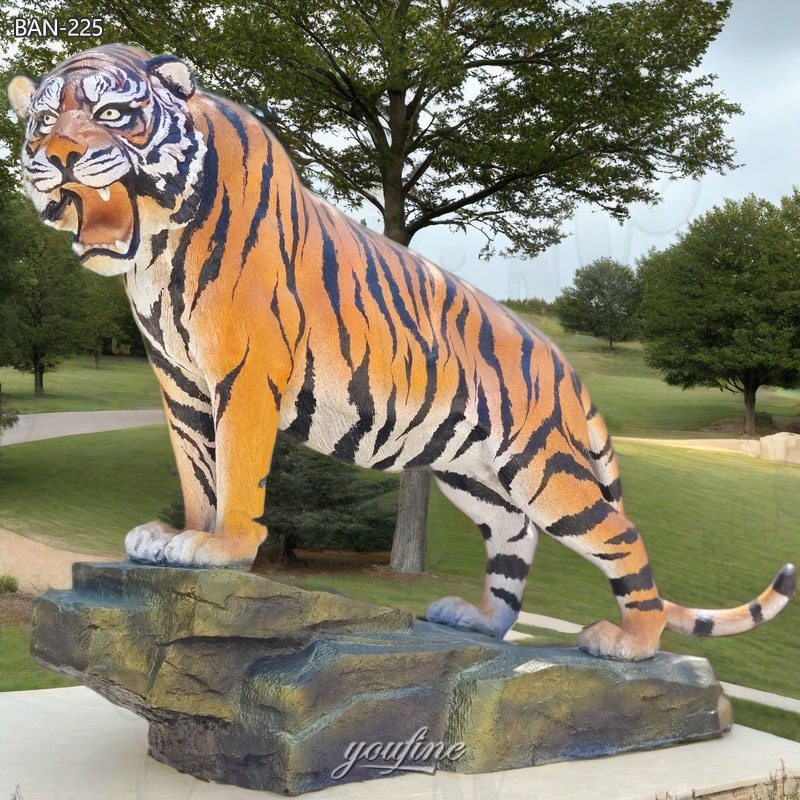
India has one of the deepest cultural connections to the tiger. As the home of the famous Bengal Tiger, the country has long regarded this majestic animal as a symbol of power, courage, and divine authority.
Sacred Animal in Hindu Tradition
In Indian culture, the tiger is considered a sacred and respected animal. It represents strength, bravery, and the power of nature.
Throughout history, tiger imagery has appeared in temples, paintings, and sculptures as a symbol of spiritual energy and protective power.
The Tiger as the Vehicle of Goddess Durga
In Hindu mythology, the powerful goddess Durga is often depicted riding a tiger. This imagery symbolizes the triumph of divine power over evil and chaos.
The tiger represents courage and strength, while the goddess represents divine wisdom and protection. Together, they symbolize the balance of power and righteousness.
National Symbol of Strength
The Bengal tiger is also the national animal of India. It represents national pride, resilience, and the rich natural heritage of the country.
Because of this significance, tiger imagery is often used in art and cultural symbolism throughout India.
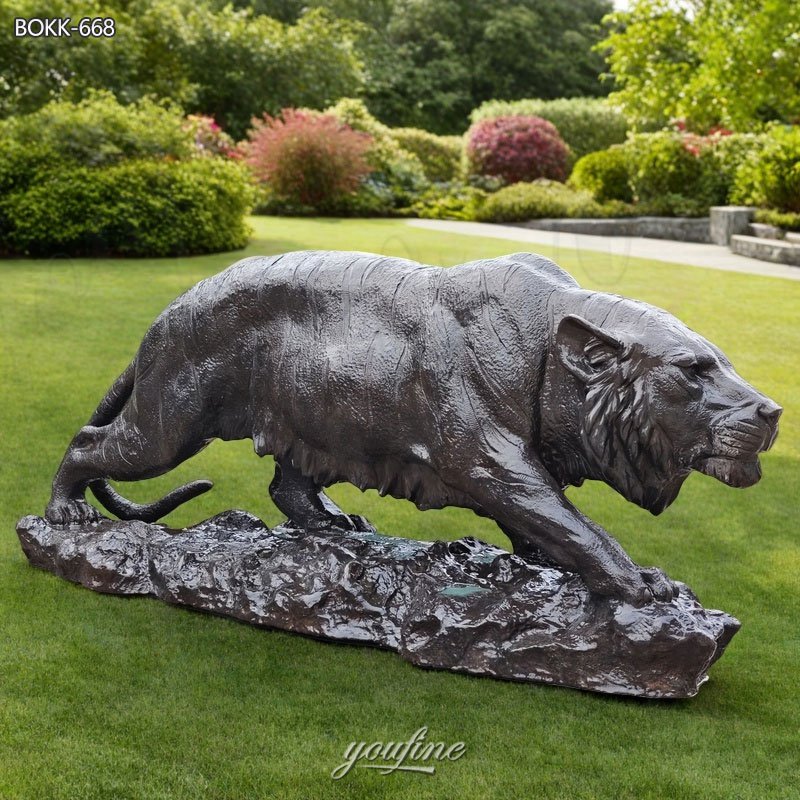
Tiger Symbolism in Korean Culture
In Korean culture, the tiger has long been associated with mountains, nature, and spiritual guardianship.
Guardian of Mountains and Nature
Traditional Korean folklore often portrays the tiger as a guardian of the mountains. Because Korea is a mountainous country, tigers historically lived in forested regions and were respected as powerful creatures of the wilderness.
Symbol of Justice and Authority
The tiger is sometimes portrayed as a symbol of justice and authority in Korean stories and art. In traditional paintings, tigers may appear alongside scholars or mythological figures, representing wisdom combined with strength.
The Friendly Tiger in Folklore
Interestingly, Korean folklore sometimes depicts the tiger in a humorous or friendly way. In folk paintings, the tiger may appear playful or curious rather than terrifying, reflecting a cultural appreciation for its personality as well as its power.
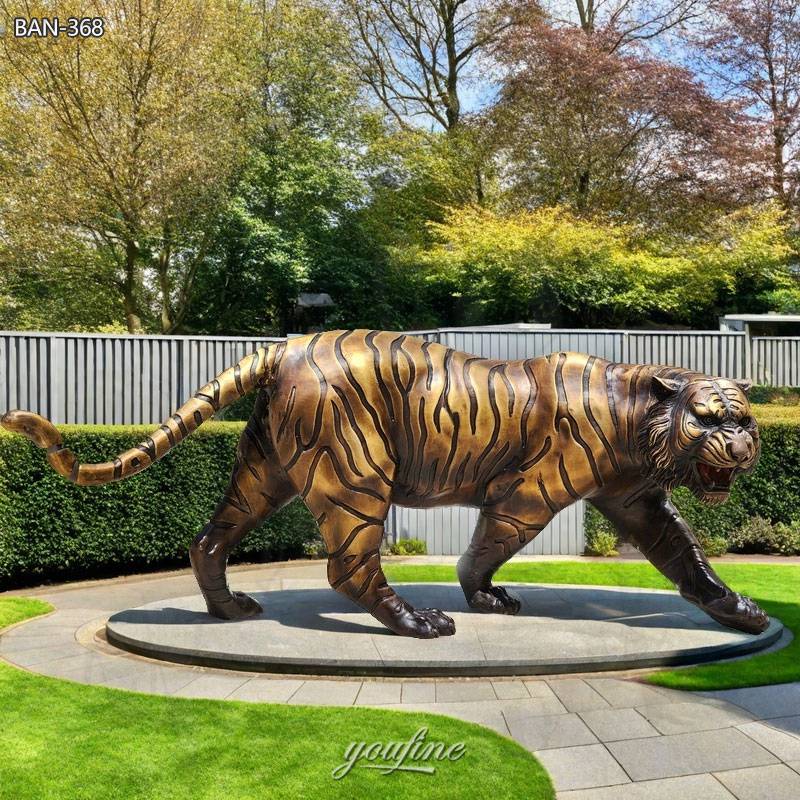
Tiger Symbolism in Japanese Culture
In Japan, the tiger has become a powerful artistic and symbolic motif despite the fact that tigers do not naturally live on the Japanese islands.
Courage and Warrior Spirit
In Japanese culture, the tiger is often associated with courage and the spirit of the warrior. Samurai admired the tiger’s strength, agility, and fearless nature.
Because of this connection, tiger imagery appears in traditional Japanese paintings, armor decorations, and temple artwork.
Protection Against Misfortune
The tiger is also believed to have protective qualities. In art and symbolism, the tiger can represent protection against bad luck, illness, or negative energy.
The White Tiger in Japanese Mythology
Japanese mythology also includes a version of the White Tiger known as Byakko. This legendary creature represents the western direction and symbolizes courage, righteousness, and protection.

Why Tiger Statues Are Popular in Modern Garden and Architectural Design
Even in modern times, tiger statues remain extremely popular decorative elements. Their powerful symbolism and striking appearance make them ideal focal points for outdoor and architectural spaces.
Entrance Guardians
Large tiger statues are often placed near gates, driveways, or building entrances. Their imposing presence creates a strong visual impression and symbolizes protection for the property.
Garden Centerpieces
In landscape design, a tiger sculpture can serve as a dramatic centerpiece. Whether placed among greenery, near water features, or along garden pathways, the statue adds personality and artistic character to the space.
Decoration for Estates, Parks, and Resorts
Public parks, luxury resorts, and large estates frequently use animal sculptures to create memorable environments. Tiger statues, in particular, convey strength, prestige, and visual drama.
Because of these qualities, they are often chosen for projects that aim to create a bold and impressive landscape.
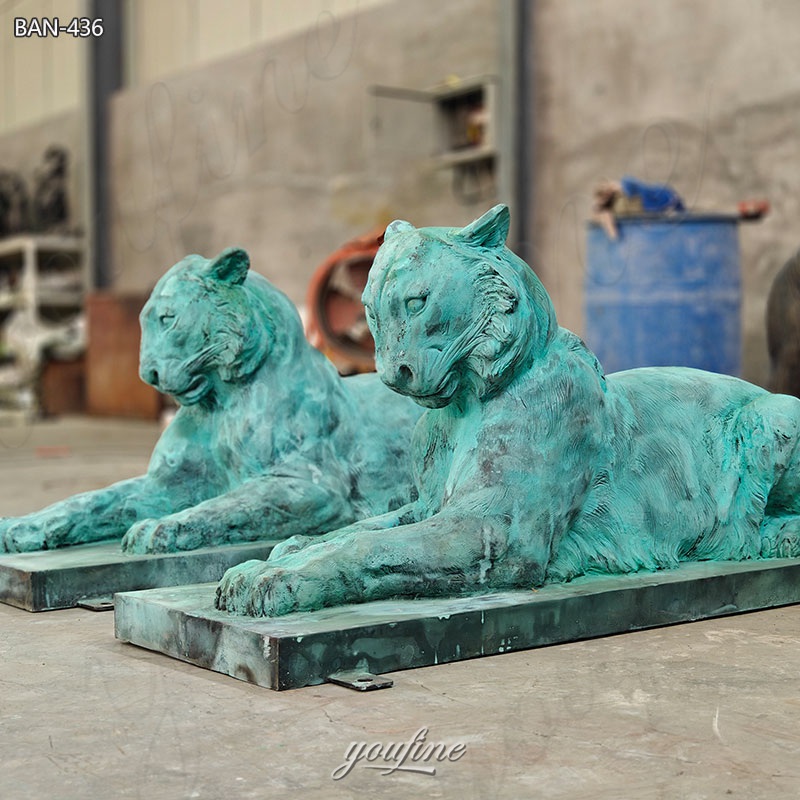
How to Choose the Right Tiger Statue for Your Space
Selecting the right tiger statue involves several considerations.
Size and Scale
Large statues work well as focal points in open spaces, while smaller sculptures can add subtle decorative accents.
Material Selection
Different materials create different visual effects. Bronze offers realism and durability, while marble provides elegance and classical beauty.
Style and Artistic Design
Tiger statues can range from highly realistic to abstract artistic forms. Choosing a style that matches the surrounding environment is important for visual harmony.
Cultural Meaning
Understanding the symbolism behind tiger statues can help you choose a design that reflects the message or atmosphere you want to create.
Conclusion
Tiger statues have fascinated people for centuries because they represent some of the most powerful qualities admired in both nature and human culture. Across different societies, the tiger symbolizes strength, courage, protection, authority, and spiritual power.
In Western culture, tiger sculptures often represent wild energy, prestige, and personal independence. In Asian traditions such as Chinese, Indian, Korean, and Japanese cultures, the tiger frequently serves as a guardian figure and a symbol of spiritual protection.
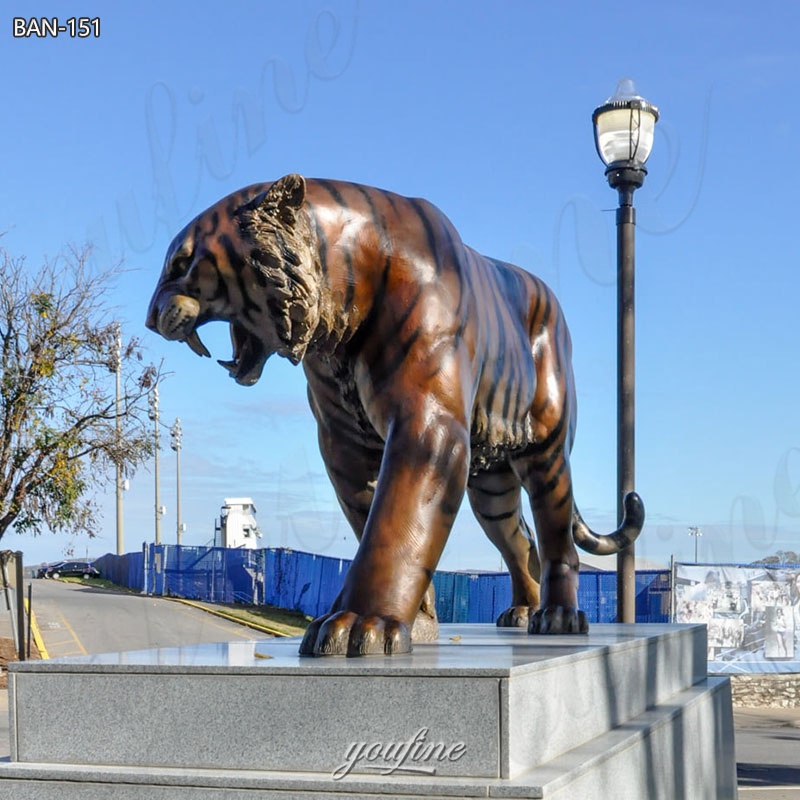
Because of these rich meanings, tiger statues remain one of the most popular animal sculptures used in gardens, architecture, and public art. Whether placed at a grand entrance, within a peaceful garden, or in a cultural setting, a tiger statue continues to embody strength, beauty, and timeless symbolism.