Elephant statues have been admired for centuries across different cultures, landscapes, and architectural styles. Whether placed at a home entrance, in a garden, or as a monumental public artwork, elephant sculptures symbolize power, wisdom, protection, and prosperity. Today, elephant statues are crafted in a wide range of materials—including bronze, marble, and stainless steel—making them suitable for both traditional and contemporary spaces.
This ultimate guide is designed to help you understand the meaning behind elephant statues, explore different materials and design styles, and confidently choose the right elephant sculpture for your home, garden, entrance, or commercial project.
1. What Do Elephant Statues Symbolize?
Elephants carry deep symbolic meaning that transcends cultures and regions. Their physical strength, intelligence, and strong family bonds make them one of the most respected animals in art and sculpture.
Common symbolic meanings of elephant statues include:
- Strength and Stability – Elephants are among the strongest land animals, symbolizing resilience and unwavering support.
- Wisdom and Intelligence – Their remarkable memory and social intelligence associate elephants with knowledge and thoughtful leadership.
- Good Luck and Prosperity – In many cultures, elephant statues are believed to attract wealth and positive energy.
- Protection and Guardianship – Elephant sculptures placed at entrances often serve as symbolic guardians.
- Family and Loyalty – Elephants are known for strong familial bonds, representing unity and harmony.
Cultural Interpretations
- Asian Culture: Elephants are closely linked to royalty, spirituality, and good fortune.
- African Culture: Elephants symbolize power, heritage, and a deep connection to nature.
- Western Design: Often admired for their majestic presence and decorative value in landscapes and architecture.
Learn more: What is the Meaning of Elephant Statues?
2. Popular Elephant Statue Design Styles
Elephant statues are available in a wide variety of artistic styles:
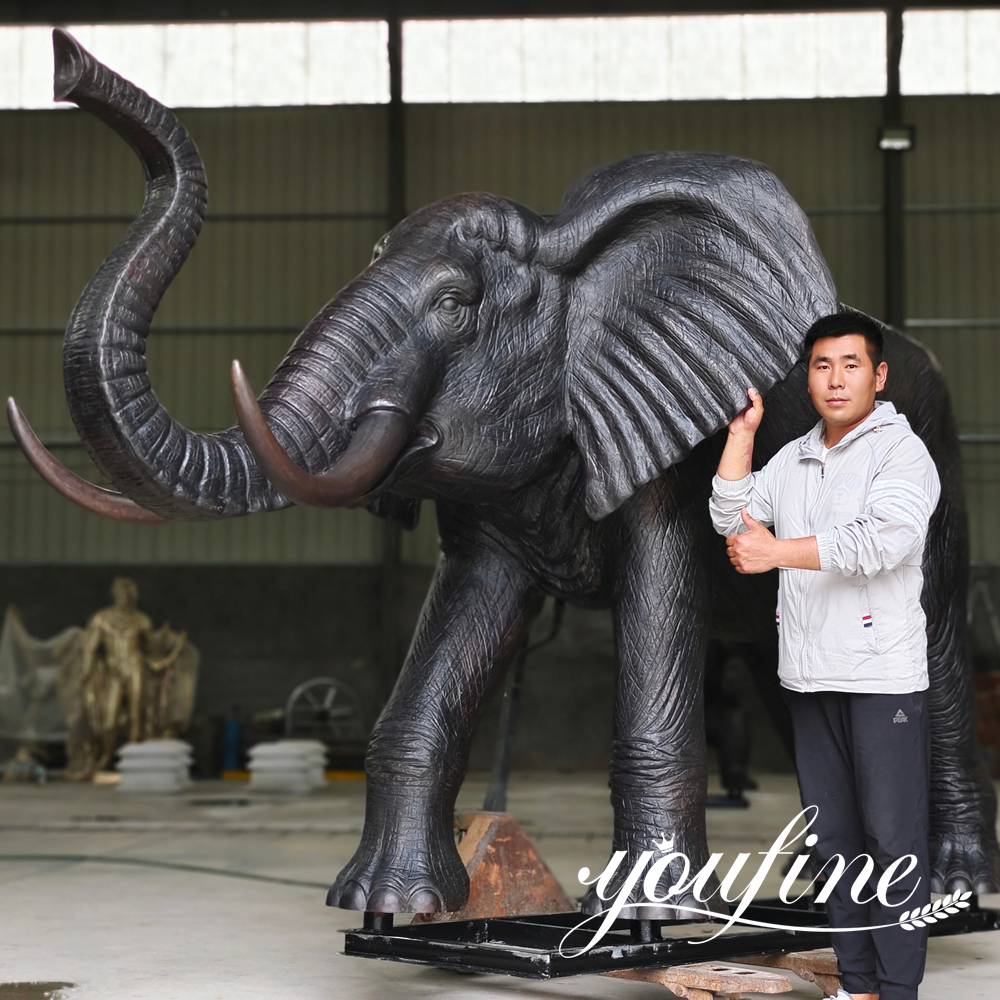
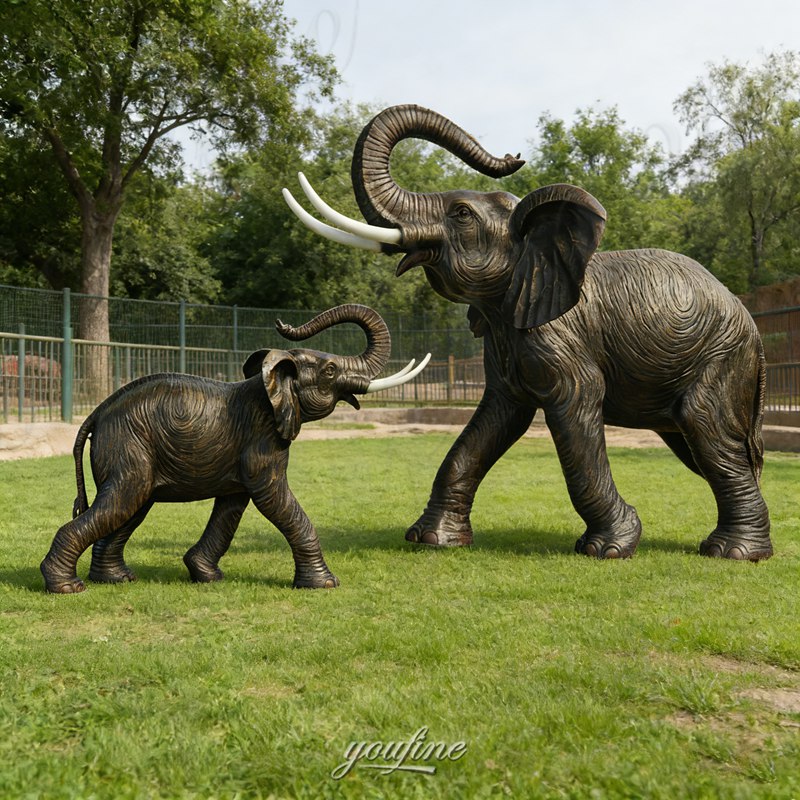
- Realistic African elephant sculptures
- Asian-inspired decorative elephants
- Mother and baby elephant statues
- Walking, standing, or trumpeting poses
- Abstract and modern interpretations
Design choice should reflect both the environment and the emotional tone you wish to convey.

3. Is It Good to Keep an Elephant Statue at Home?
Yes, elephant statues are widely considered suitable for home decor. They are often chosen not only for their artistic appeal but also for their positive symbolism.
Elephant statues work particularly well in:
- Entryways and foyers
- Living rooms
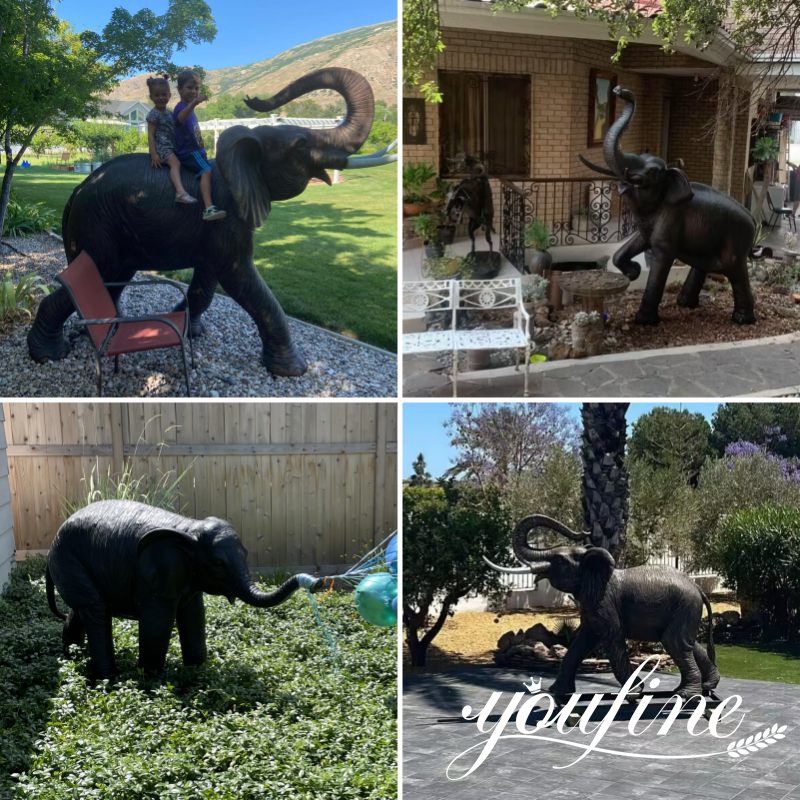
- Gardens and courtyards
- Home offices
Many homeowners choose elephant sculptures to create a sense of calm, protection, and welcoming energy. The key is selecting the right size, material, and design that harmonizes with your living space.

4. Elephant Statue Trunk Up or Down: Which Is Better?
One of the most frequently asked questions about elephant statues concerns the direction of the trunk.
- Trunk Up: Symbolizes good luck, success, celebration, and abundance. This style is often chosen for entrances and public spaces.
- Trunk Down: Represents stability, grounding, protection, and calm strength. It is commonly used in gardens and interior spaces.
There is no universally “better” choice—selecting trunk up or down should depend on your personal preference, the intended symbolism, and the placement location. Learn more: Is the Elephant Statue Trunk up or down for Good Luck?

5. Single Elephant Statue or Pair of Elephant Statues?
Both single and paired elephant statues have their own aesthetic and symbolic appeal. Learn more: Pair Elephant Statues or a Single Elephant Sculpture: How to Choose
Single Elephant Statue
Creates a strong focal point
Ideal for gardens, courtyards, or interior decor
Emphasizes individuality and artistic expression
Pair of Elephant Statues
Commonly placed at entrances, gates, or stairways
Symbolize balance, protection, and harmony
Widely used in hotels, villas, temples, and commercial buildings
The choice depends largely on the space available and the desired visual impact.

6. Where Should Elephant Statues Be Placed?
Entrance and Gate
Elephant statues placed at entrances serve as symbolic guardians. Large-scale sculptures or pairs are particularly effective for villas, estates, hotels, and public buildings.
Garden and Landscape
Outdoor elephant statues blend beautifully with greenery, water features, and open landscapes. Life-size or slightly oversized sculptures create a natural and powerful presence.
Commercial and Public Spaces
Elephant sculptures are often used as landmarks in plazas, resorts, office complexes, and cultural institutions. Materials like bronze and stainless steel are especially popular for these applications.

7. How to Choose the Right Size for an Elephant Statue
Size plays a critical role in the overall visual balance of an elephant statue.
- Small (under 60 cm): Best for shelves, desks, and indoor decor
- Medium (60–150 cm): Suitable for interiors, terraces, and small gardens
- Life-Size: Ideal for gardens, courtyards, and entrances
- Monumental Scale: Designed for public spaces and landmark projects
Always consider viewing distance, surrounding architecture, and available space when selecting size. Learn more: How to Choose the Right Size for a Bronze Elephant Sculpture

8. Elephant Statue Materials: Which One Is Best?
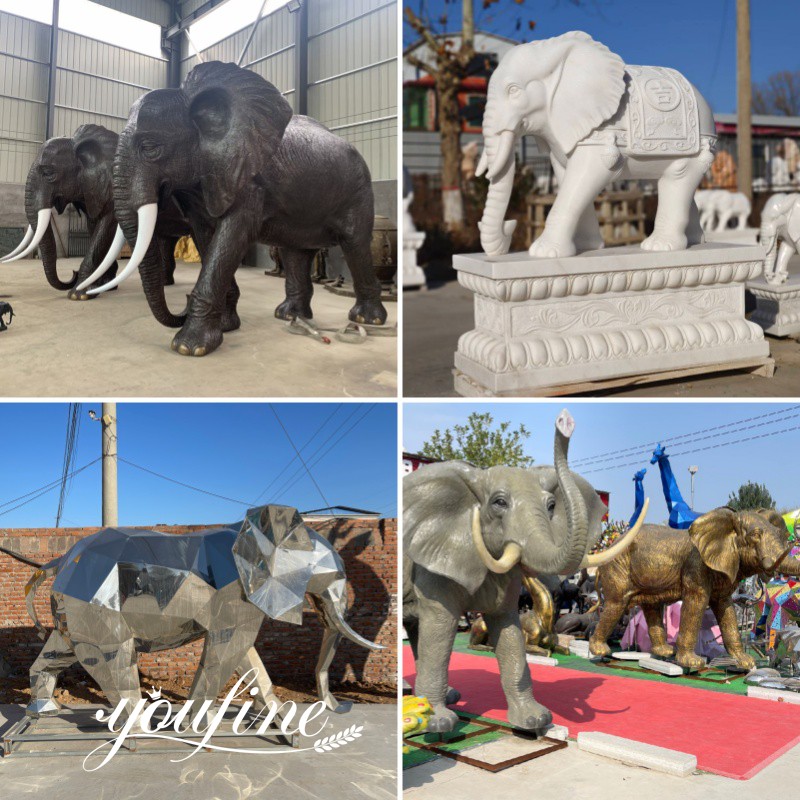
Bronze Elephant Statues
Bronze is one of the most popular materials for elephant sculptures due to its durability and timeless appeal.
Excellent for outdoor use
Develops a natural patina over time
Captures fine details and expressive forms
Marble Elephant Statues
Marble elephant statues convey elegance and architectural grandeur.
Ideal for classical gardens and entrances
Offers a refined, sculptural presence
Requires solid installation and proper maintenance
Stainless Steel Elephant Statues
Stainless steel elephant sculptures are favored in modern and contemporary designs.
Highly resistant to corrosion
Suitable for large-scale public art
Available in mirror-polished or brushed finishes
Learn more: What Material Is Ideal for Outdoor Elephant Sculptures
9. How to Choose the Perfect Elephant Statue: Buyer’s Checklist
Before making a purchase, consider the following:
- Purpose and symbolism
- Placement location
- Size and scale
- Material suitability
- Trunk direction
- Single or pair configuration
- Customization needs
A well-chosen elephant statue should align with both aesthetic goals and practical requirements.
Conclusion
By understanding the elephant statue’s meaning, materials, placement, and design options, you can confidently select an elephant statue that enhances your space and carries lasting significance.
Whether for a private residence, garden, or large-scale commercial project, a thoughtfully chosen elephant statue will remain a timeless and meaningful work of art for generations.