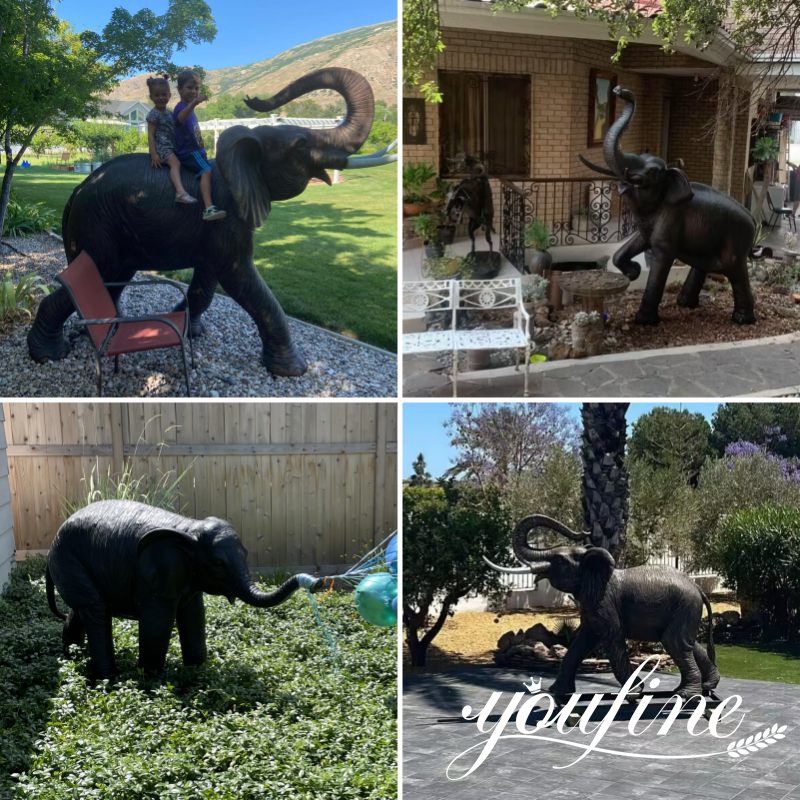
Elephant statues are far more than decorative objects. Across different cultures, religions, and traditions, elephants have long been regarded as powerful symbols of strength, wisdom, protection, and good fortune. From ancient temples and royal palaces to modern homes, gardens, and public spaces, elephant statues continue to hold deep symbolic meaning.
In this guide, we explore the meaning of elephant statues, including their cultural symbolism, spiritual significance, trunk positions, Feng Shui interpretations, and placement ideas—helping you better understand why elephant statues remain timeless and meaningful around the world.
1. Why Are Elephant Statues So Meaningful?
Elephants are the largest land animals on Earth, yet they are also known for their intelligence, emotional depth, and strong social bonds. These unique traits have inspired admiration for thousands of years, making elephants a universal symbol across civilizations.
The meaning of elephant statues often reflects:
- Physical and spiritual strength
- Wisdom and intelligence
- Protection and loyalty
- Prosperity, luck, and stability
Because of this rich symbolism, elephant statues are commonly used in architecture, sculpture, religious spaces, gardens, and interior decor.
2. General Symbolism of Elephant Statues
2.1 Strength and Power
Elephants represent immense strength—not only physical power, but also inner resilience. An elephant statue often symbolizes the ability to overcome obstacles calmly and steadily, rather than through aggression.
2.2 Wisdom and Intelligence
Known for their remarkable memory and intelligence, elephants are associated with wisdom, patience, and thoughtful decision-making. In sculpture, they often represent leadership guided by knowledge rather than force.
2.3 Loyalty and Family Bonds
Elephants live in close-knit herds and display deep emotional connections. As a result, elephant statues symbolize family unity, loyalty, and long-lasting relationships, making them popular in homes and communal spaces.
3. Elephant Statues in Different Cultures
3.1 Elephant Symbolism in Asian Culture
In many Asian countries such as China, India, and Thailand, elephants are revered as symbols of:
- Royal authority
- Peace and harmony
- Prosperity and protection
Historically, elephant statues were placed at palace gates, temples, and city entrances to signify power and safeguard sacred spaces.
3.2 Elephant Statues in Hinduism
In Hindu tradition, the elephant is most famously represented by Lord Ganesha, the elephant-headed deity. Ganesha symbolizes:
- Wisdom and intelligence
- Removal of obstacles
- New beginnings and success
Elephant statues inspired by Ganesha are commonly placed in homes and businesses to invite good fortune and smooth progress.
3.3 Elephant Symbolism in Buddhism
In Buddhism, elephants symbolize spiritual strength, mental discipline, and enlightenment. According to legend, Buddha’s mother dreamed of a white elephant before his birth—making the elephant a sacred symbol of purity and divine wisdom.
3.4 Elephant Meaning in African Culture
In African traditions, elephants represent:
- Kingship and authority
- Community leadership
- Ancestral wisdom
As the most powerful animals on the land, elephants are seen as guardians of both people and territory, often symbolizing respect for elders and collective strength.

4. Meaning of Elephant Statues by Trunk Position
The position of an elephant’s trunk plays a key role in determining the statue’s symbolic meaning. Different trunk positions are often associated with different types of energy, intention, and cultural interpretation.
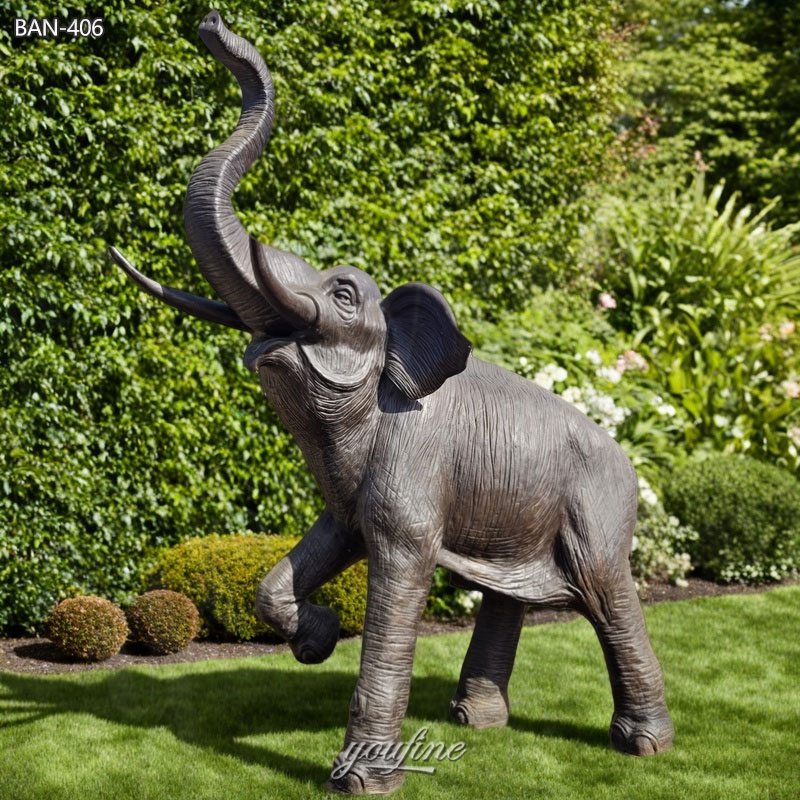
4.1 Elephant Statue with Trunk Up Meaning
An elephant statue with its trunk raised is widely believed to symbolize:
- Good luck and prosperity
- Success and positive energy
- Celebration and victory
This style is especially popular for business entrances, offices, and public spaces where success and growth are desired.
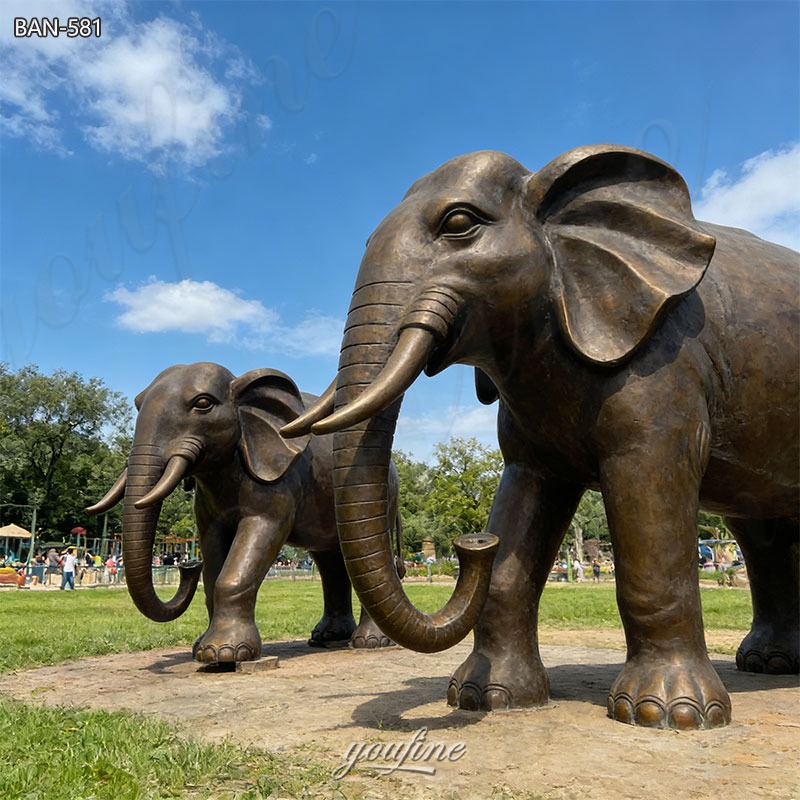
4.2 Elephant Statue with Trunk Down Meaning
Elephant statues with trunks pointing downward represent:
- Stability and grounding
- Calm strength and endurance
- Longevity and protection
They are often chosen for gardens, memorial spaces, and environments where balance and quiet strength are emphasized.
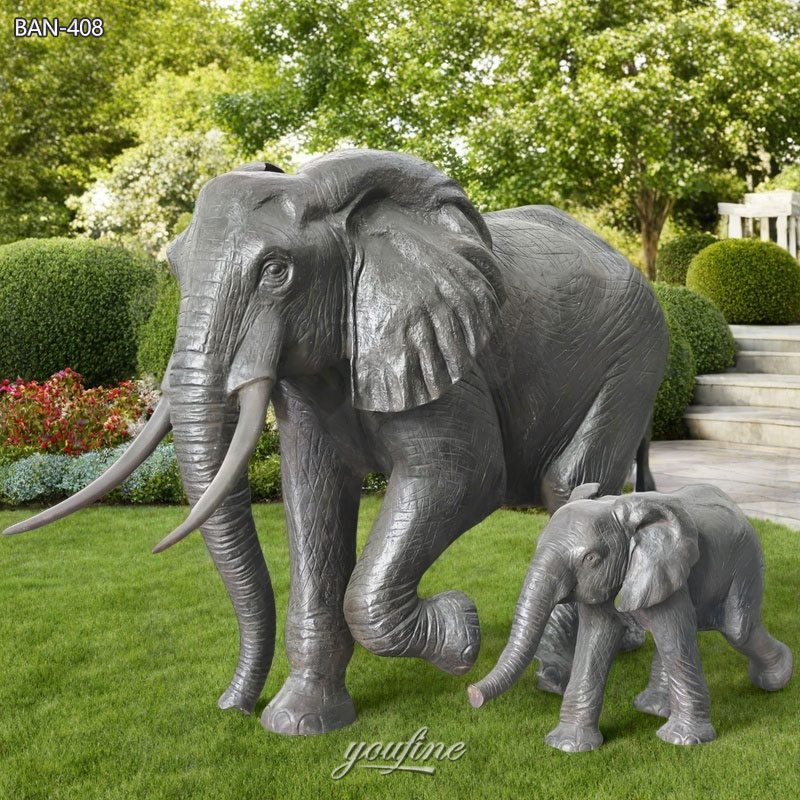
4.3 Elephant Statues with Multiple Elephants
A group of elephants—especially a family formation—symbolizes:
- Unity and cooperation
- Family harmony
- Collective protection
These sculptures are common in parks, plazas, and large landscape projects.
If you would like a deeper explanation of trunk symbolism and good luck beliefs, you may find this guide helpful: Is the elephant statue trunk up or down for good luck?

5. Feng Shui Meaning of Elephant Statues
5.1 Elephant Statue Meaning in Feng Shui
In Feng Shui, elephant statues are believed to attract:
- Protective energy
- Wealth and abundance
- Career support and stability
Elephants are considered gentle guardians that bring balance and positive chi into a space.
5.2 Best Places to Put Elephant Statues
Common Feng Shui placements include:
- Entrance: Protection and welcoming good fortune
- Living room: Family harmony and stability
- Office: Wisdom, authority, and career growth
- Garden: Guarding the property and grounding energy
5.3 Direction: Facing In or Out
- Facing inward: Invites luck, wealth, and harmony into the space
- Facing outward: Acts as a guardian, protecting the area from negative influences
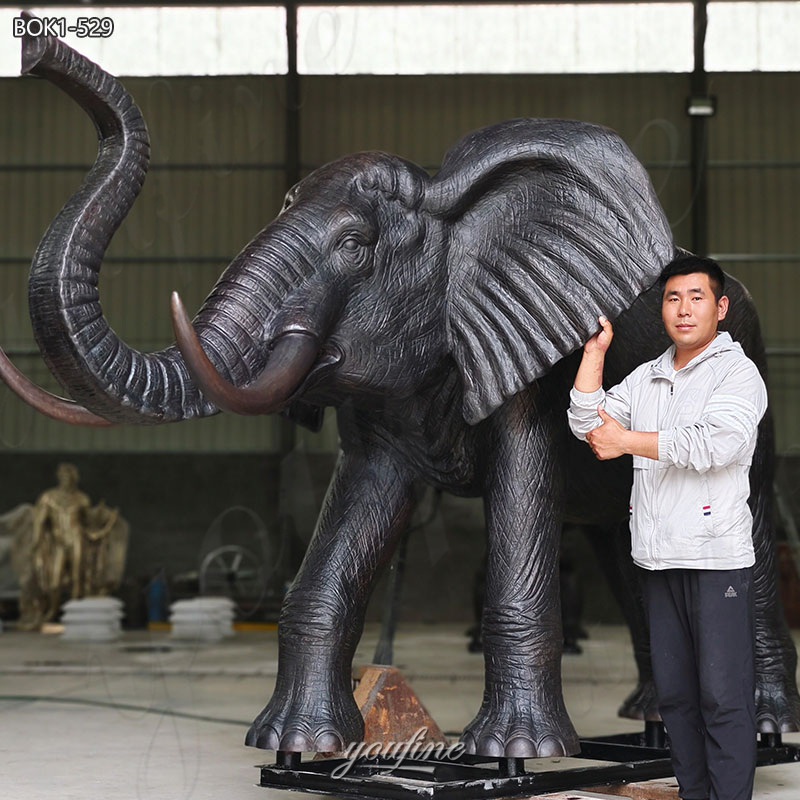
6. Elephant Statues in Art, Architecture, and Sculpture
Throughout history, elephant statues have appeared in:
Ancient temples and religious complexes
Royal gardens and palace courtyards
Modern public art and landscape architecture
They are crafted from various materials depending on style and location:
- Marble Elephant Statue: Timeless, elegant, and ceremonial
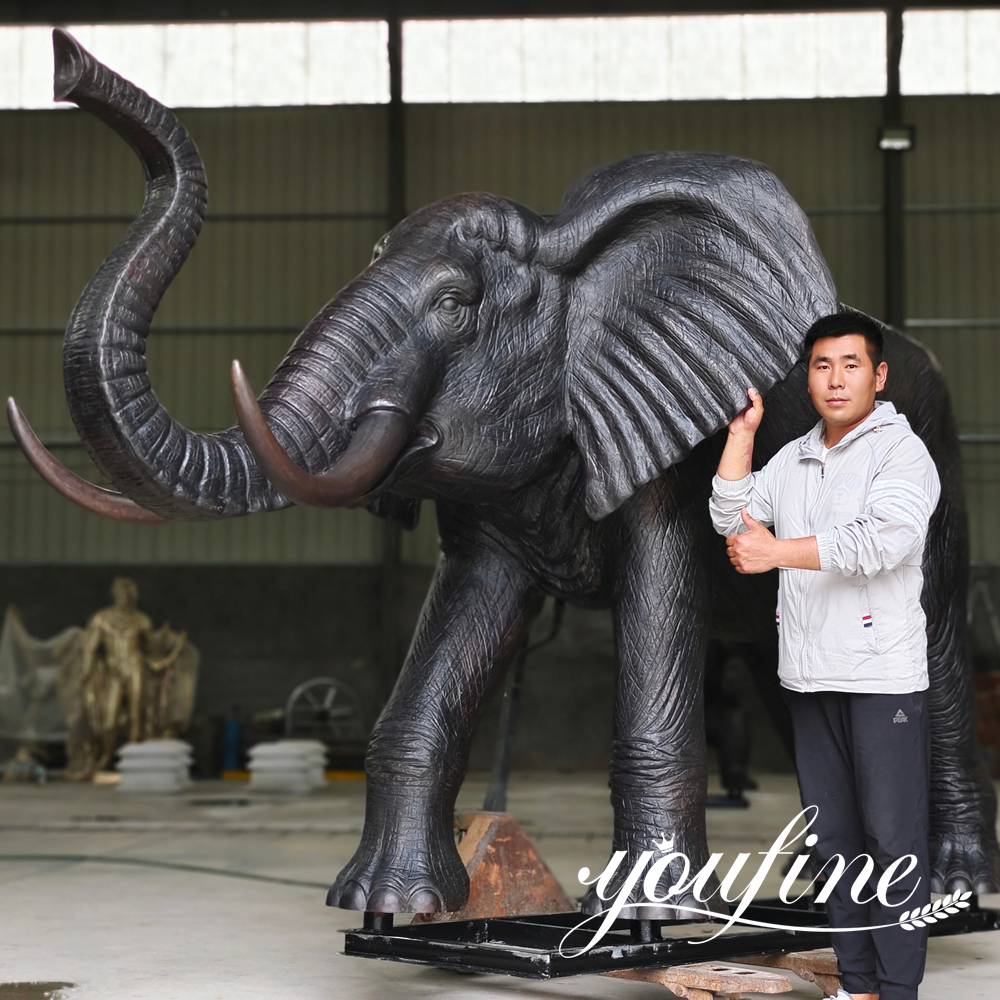
- Bronze Elephant Statue: Durable, symbolic, and classical
- Stainless Steel Elephant Statue: Modern interpretations with abstract forms
Each material adds a unique character while preserving the elephant’s symbolic meaning.
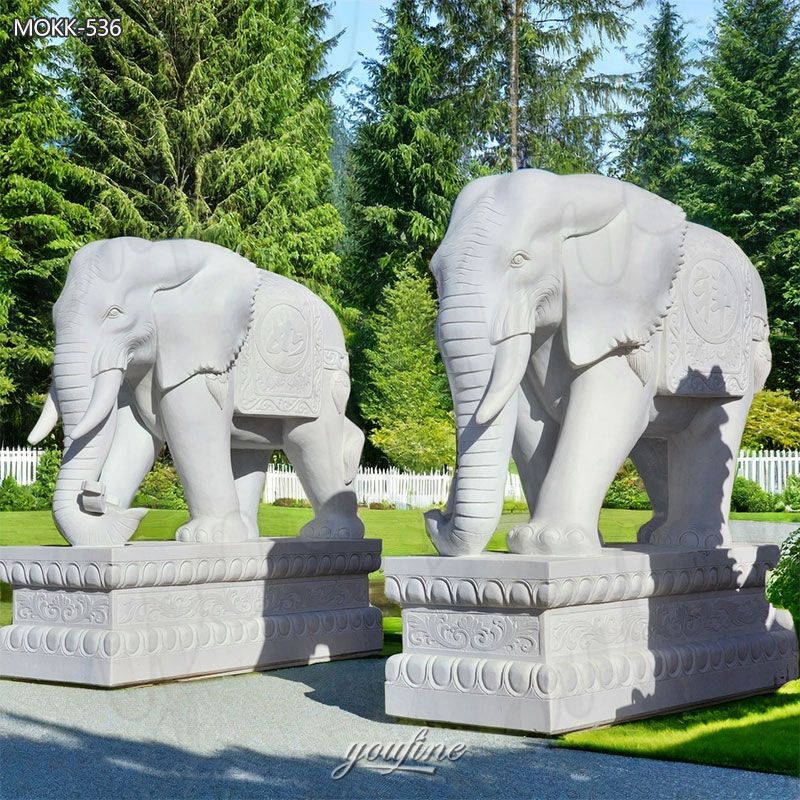
7. FAQ
7.1 Is an elephant statue good luck?
Yes. In many cultures, elephant statues are believed to bring good luck, protection, and prosperity.
7.2 Is it okay to keep an elephant statue at home?
Yes, it is generally considered positive to keep an elephant statue at home. In many cultures and Feng Shui traditions, elephant statues symbolize protection, wisdom, stability, and good fortune. The meaning can vary depending on the statue’s material, trunk position, and placement within the home. For a more detailed explanation, you can read this complete guide on whether it is okay to keep an elephant statue at home.
7.3 How many elephant statues should I place?
There is no strict rule. Single elephants symbolize strength, while pairs or families emphasize harmony and unity.
7.4 Are elephant statues religious or decorative?
They can be both. Elephant statues appear in religious contexts, but they are also widely used as decorative and symbolic art.
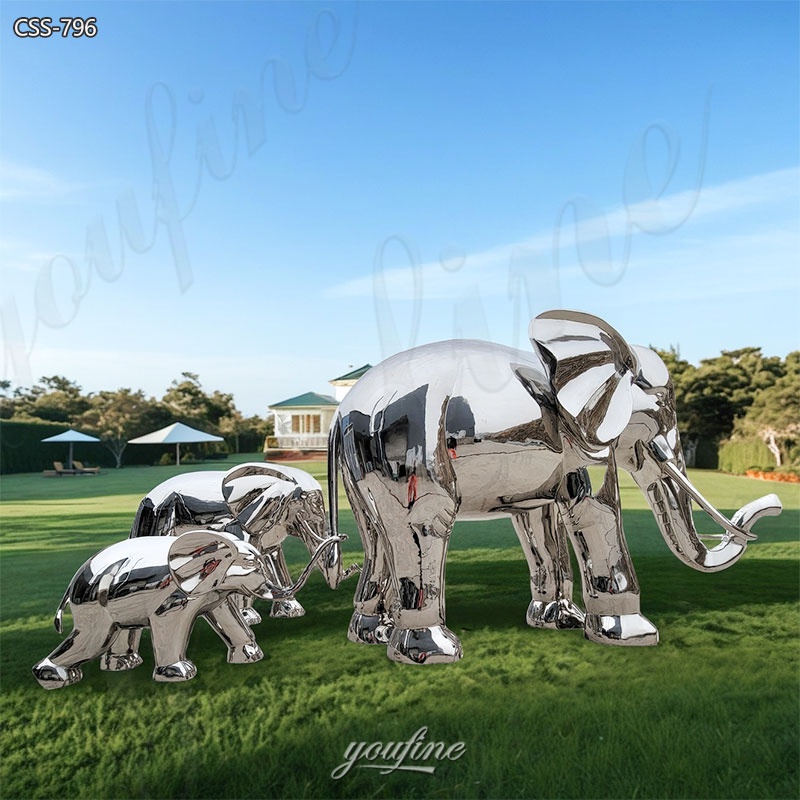
8. Why Choose YouFine for Elephant Statues?
At YouFine Animal Sculpture, we understand that an elephant statue is not just a decorative piece—it is a symbol of strength, wisdom, and cultural meaning. With over 40 years of experience in sculpture manufacture, we specialize in creating elephant statues that combine artistic value with lasting quality.
We offer:
- Custom elephant statues tailored to your symbolic, cultural, and spatial needs
- A wide range of materials, including marble, bronze, stainless steel, and stone
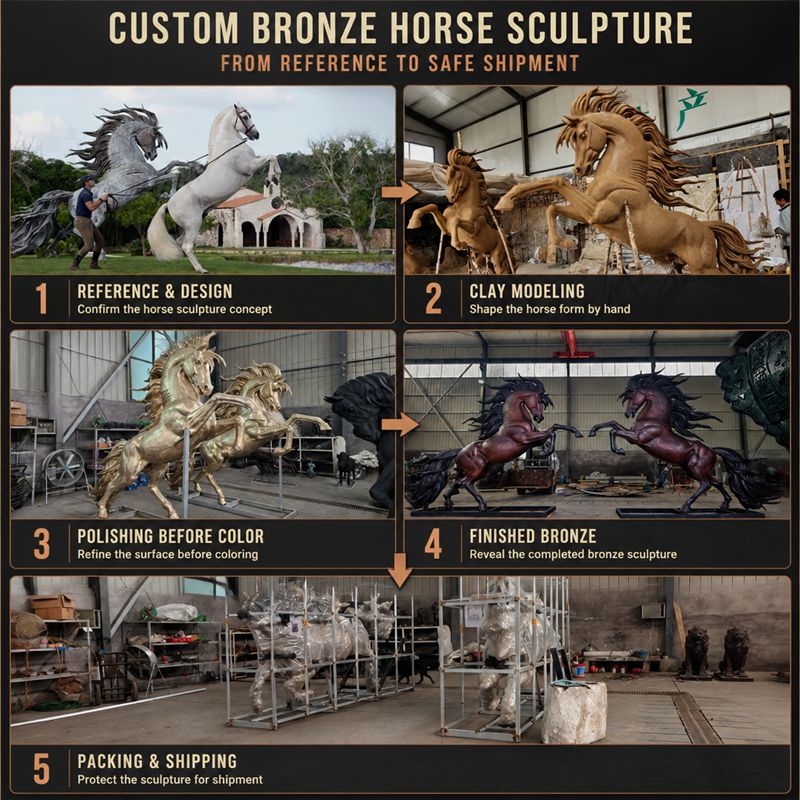
- Access to hundreds of ready-made clay models, allowing clients to choose from proven designs or refine them for customization
- Professional-scale solutions for gardens, public spaces, religious sites, and landscape projects
Whether you are seeking a traditional elephant statue rooted in cultural symbolism or a modern sculptural interpretation for a contemporary space, YouFine provides expert support from concept to completion.
If you are planning an elephant sculpture for a private, commercial, or public project, feel free to contact YouFine for professional advice and customized solutions.