A good bronze foundry for a custom animal sculpture should be able to show real examples of similar animals it has already made, explain how it controls proportions and details, allow you to approve the design before casting, and clearly discuss the casting process, patina, structure, installation, cost, and lead time.
For highly realistic wildlife, life-size animals, or sculptures with dynamic poses, it is especially important to choose a foundry with artists who regularly work on animal sculpture rather than general bronze casting alone.
Based on our experience producing custom bronze animal sculptures, the following points are the most useful to check before making a decision.
1. Check Whether the Foundry Has Made Similar Animals Before
One of the most useful things to ask is:
“Can you show me similar animal sculptures you have already produced?”
A foundry experienced with bronze animal sculptures should usually be able to provide:
- Finished project photos
- Clay model photos
- Production videos
- Factory videos
- Installation examples
- Similar projects in the same animal category
This matters because animal sculptures require very different modeling skills from architectural or abstract bronze work.
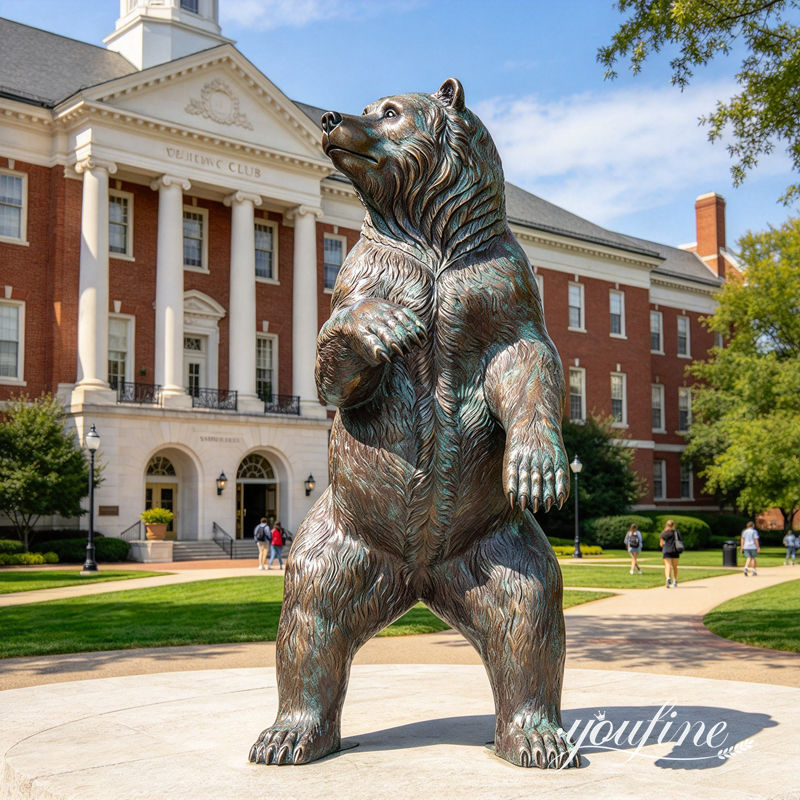
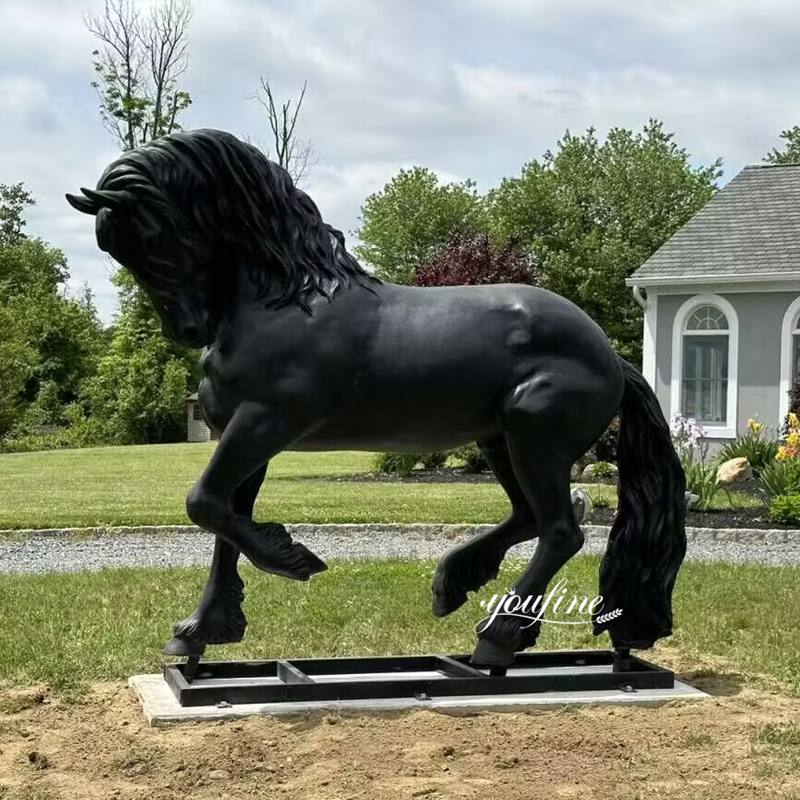
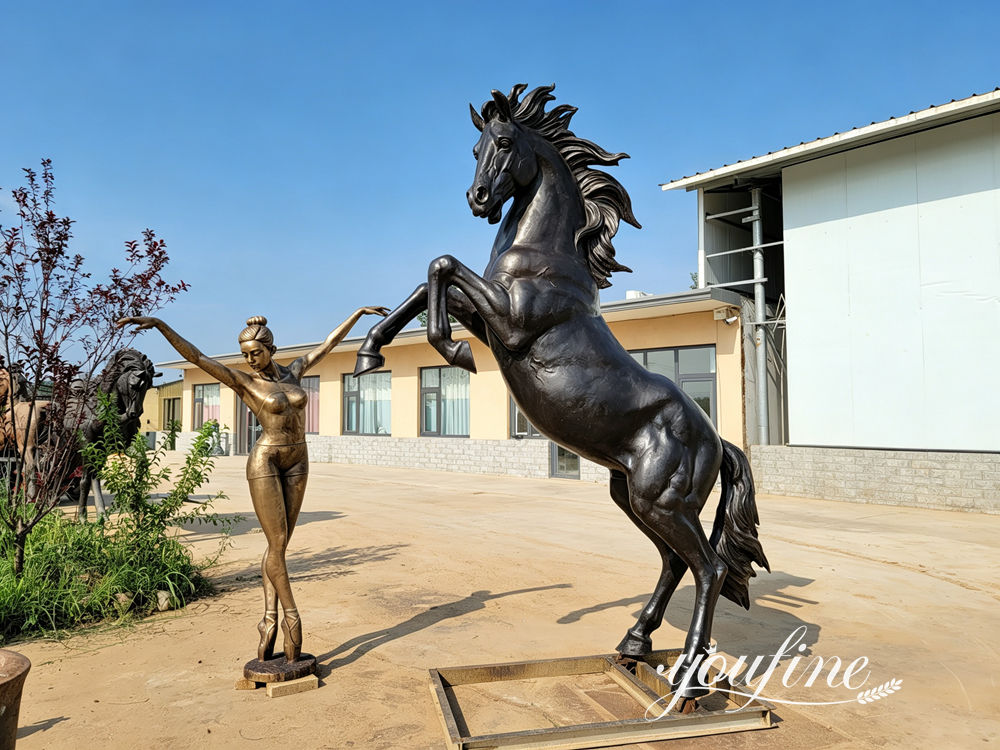
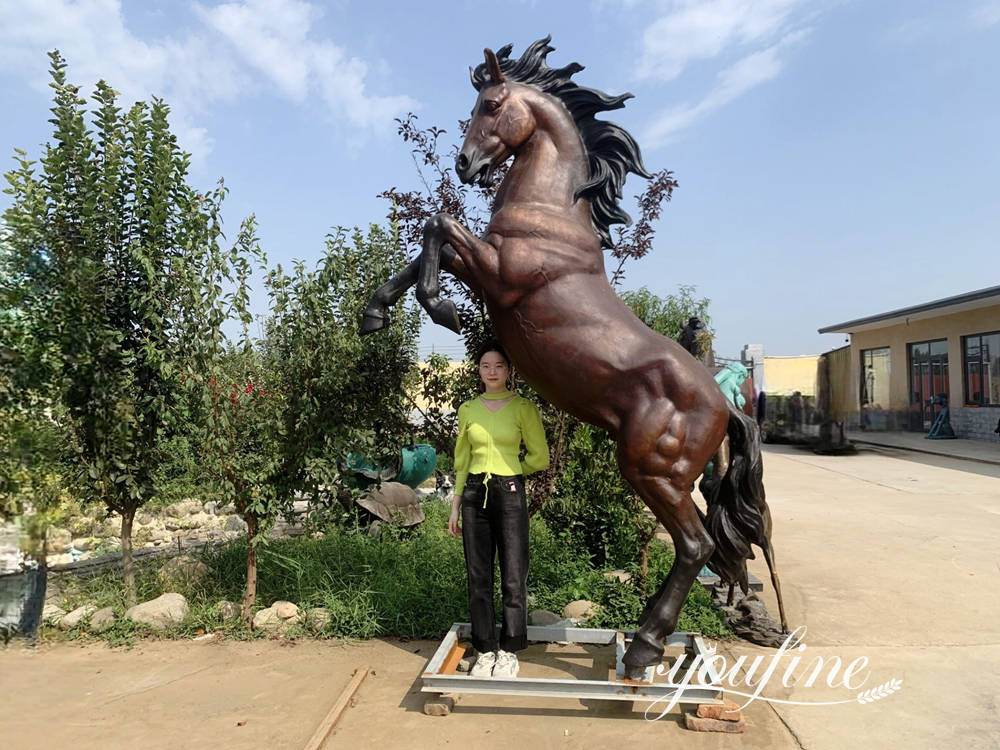
For example, producing a realistic bear, deer, tiger, horse, or eagle requires an understanding of how that specific animal stands, moves, and carries its weight.
2. Pay Attention to Animal Proportions and Expression
This is one of the biggest concerns we hear from customers. A sculpture can be technically well cast but still feel “wrong” if the head is too large, the legs are too short, the muscles are unnatural, or the facial expression does not match the reference.
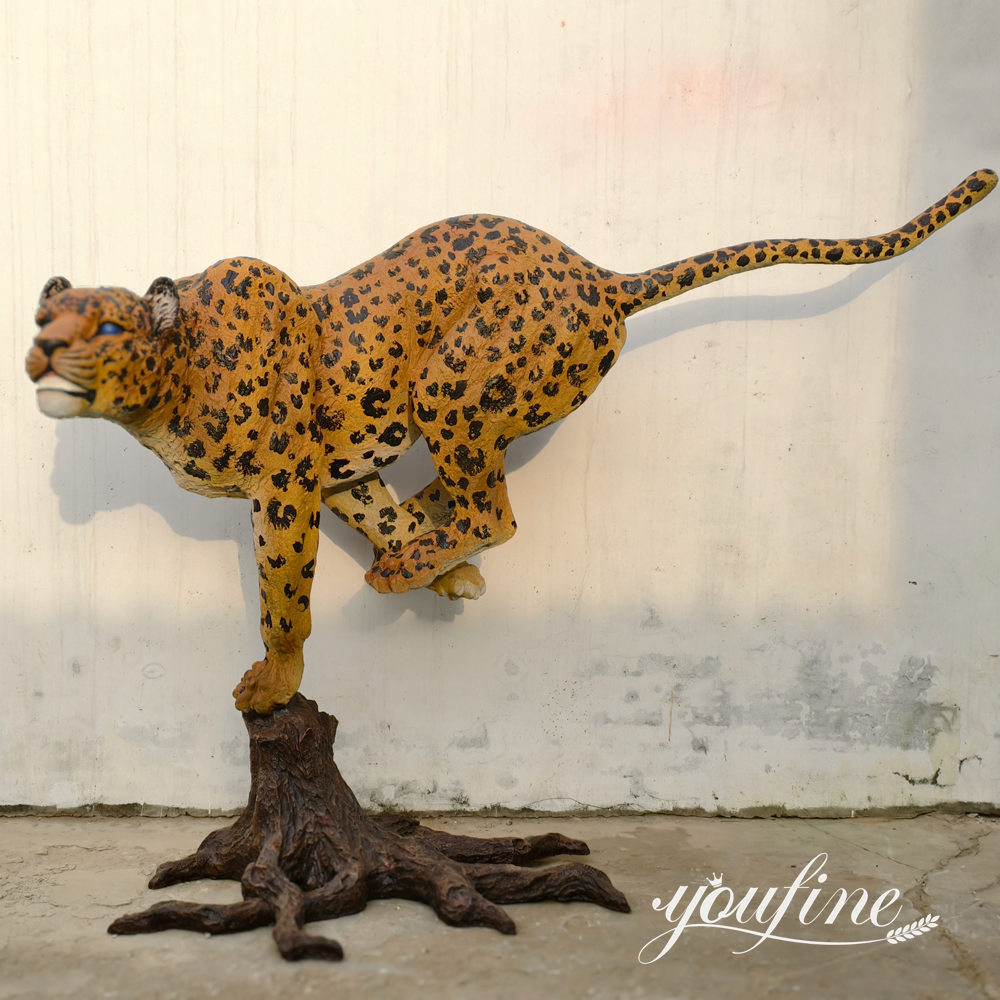
Life-size wildlife sculptures and animals in motion are especially demanding. For a running, walking, jumping, or standing animal to look convincing, the artist needs to study:
- Body proportions
- Muscle structure
- Joint positions
- Head and neck angles
- Weight distribution
- Facial expression
This is why it is worth looking closely at the foundry’s previous animal projects rather than judging only from general bronze work.
3. Look Closely at Fur and Surface Details
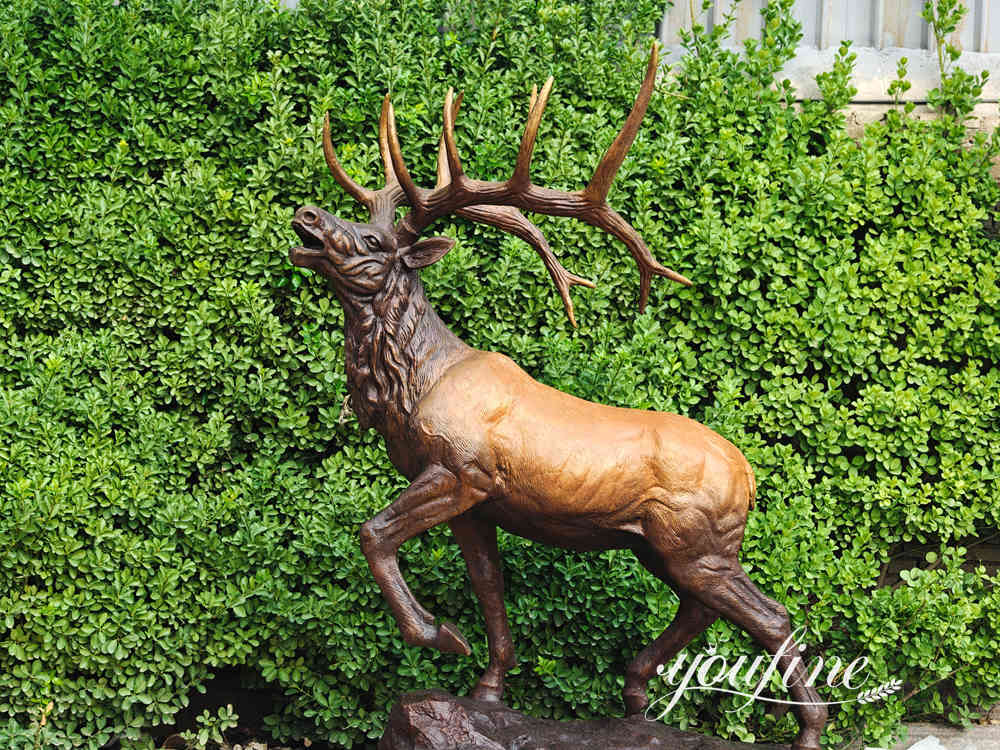
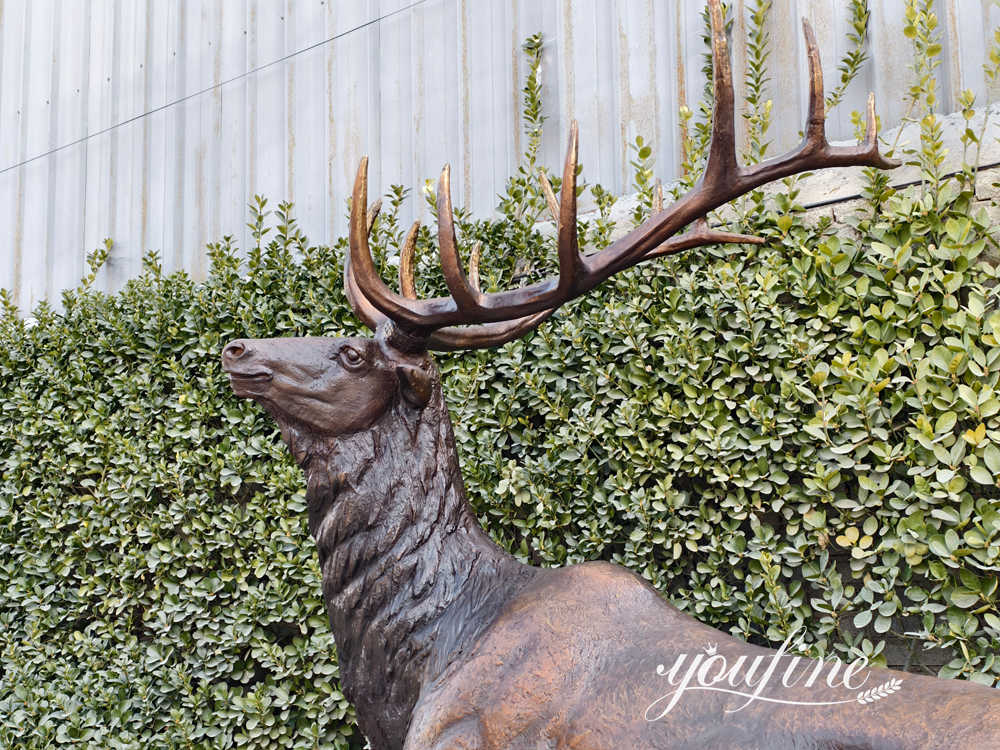
Animal fur should not be treated as one generic texture. Different species have very different surface characteristics.
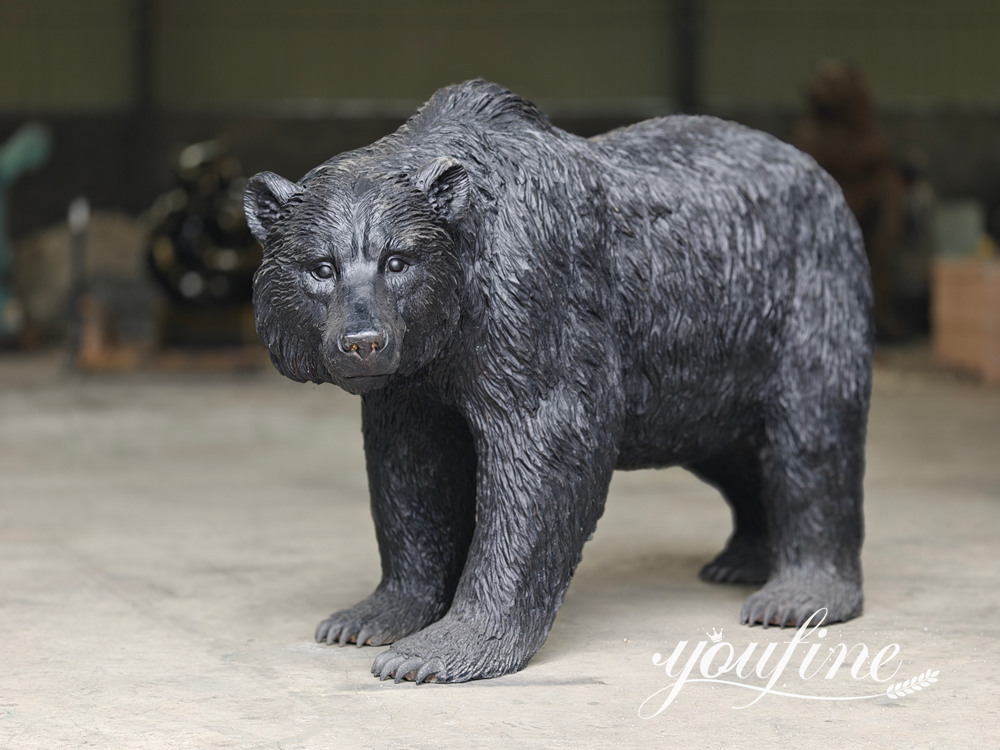
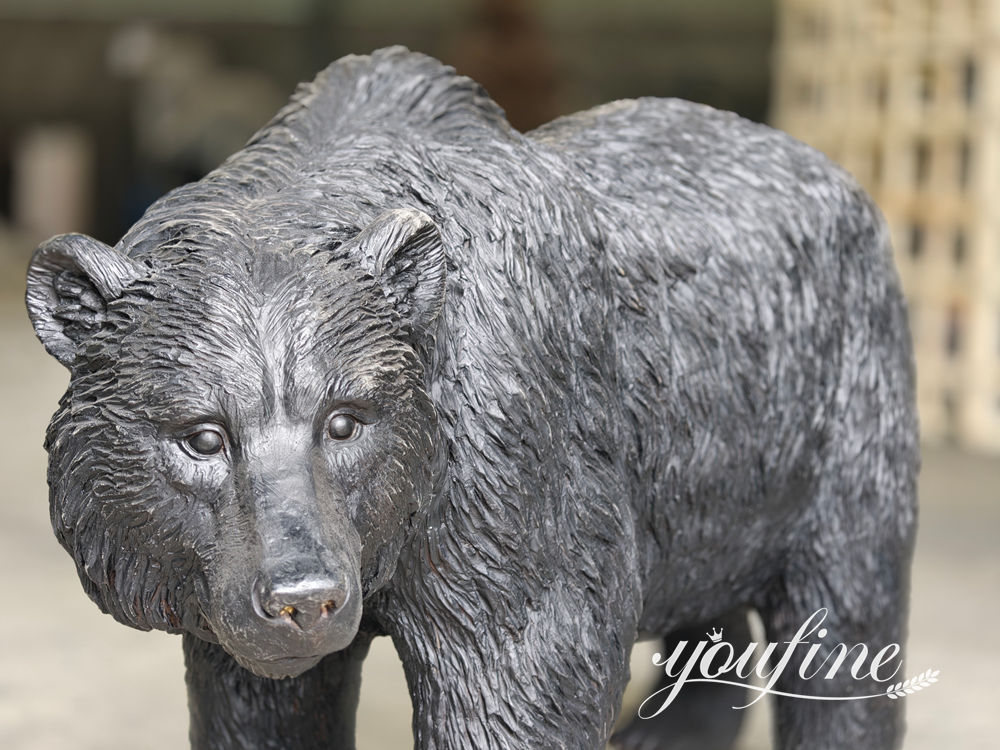
For example, bear fur is relatively short but still visibly layered, while deer hair is shorter and lies much closer to the body, allowing the muscle structure to remain visible.
A giraffe presents a different challenge again because the artist must consider both the body form and the recognizable pattern of differently colored areas. For realistic animal sculpture, the direction, depth, and density of surface texture should support the anatomy rather than hide it.
4. Ask How the Custom Design Will Be Confirmed
Before production begins, the foundry should clarify what needs to match the customer’s reference.
This may include:
- Pose
- Facial expression
- Fur or feather details
- Patina color
- Life-size proportions
- Custom dimensions for the installation site
A typical custom process may include:
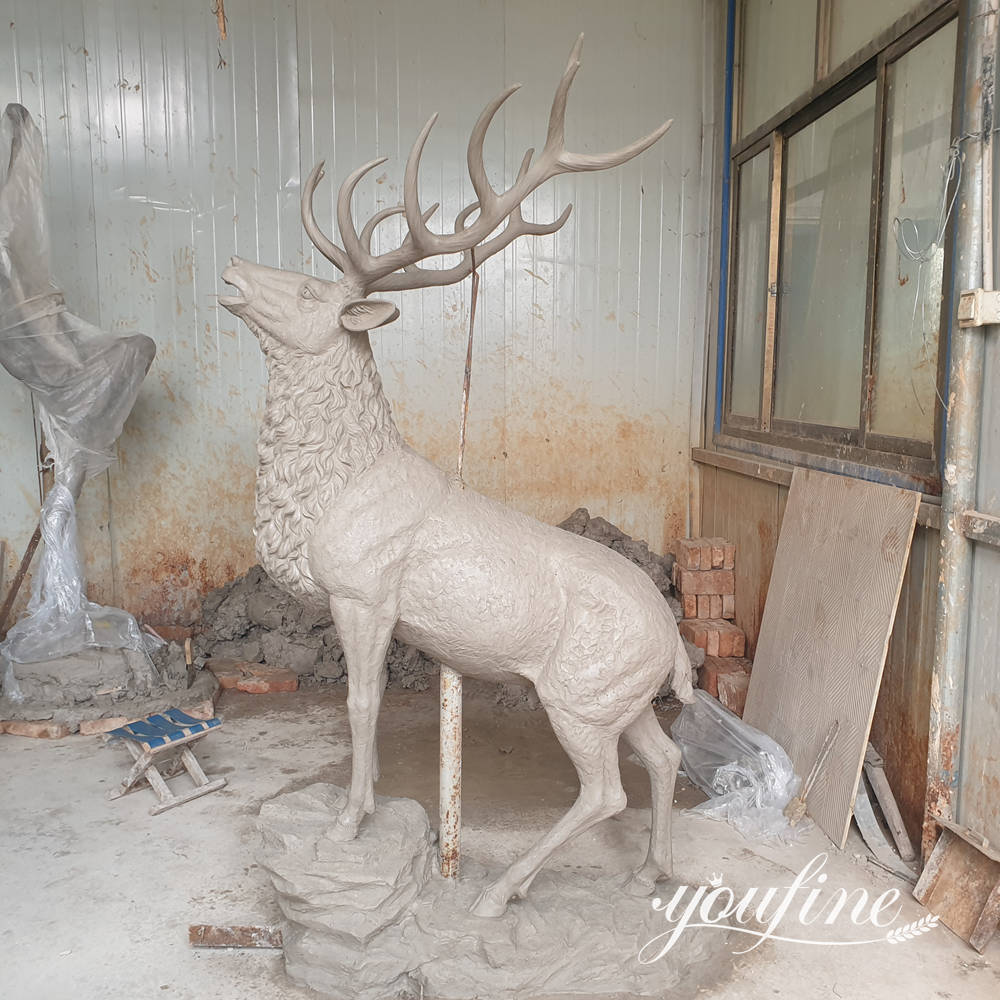
Reference Images → 3D Model → Clay Model → Client Approval → Bronze Casting → Patina → Final Approval → Packing
The clay model stage is particularly important. It is much easier to adjust the head, muscles, posture, or proportions before bronze casting begins.
For highly customized sculptures, the modeling and approval process alone may take around 3–4 weeks.
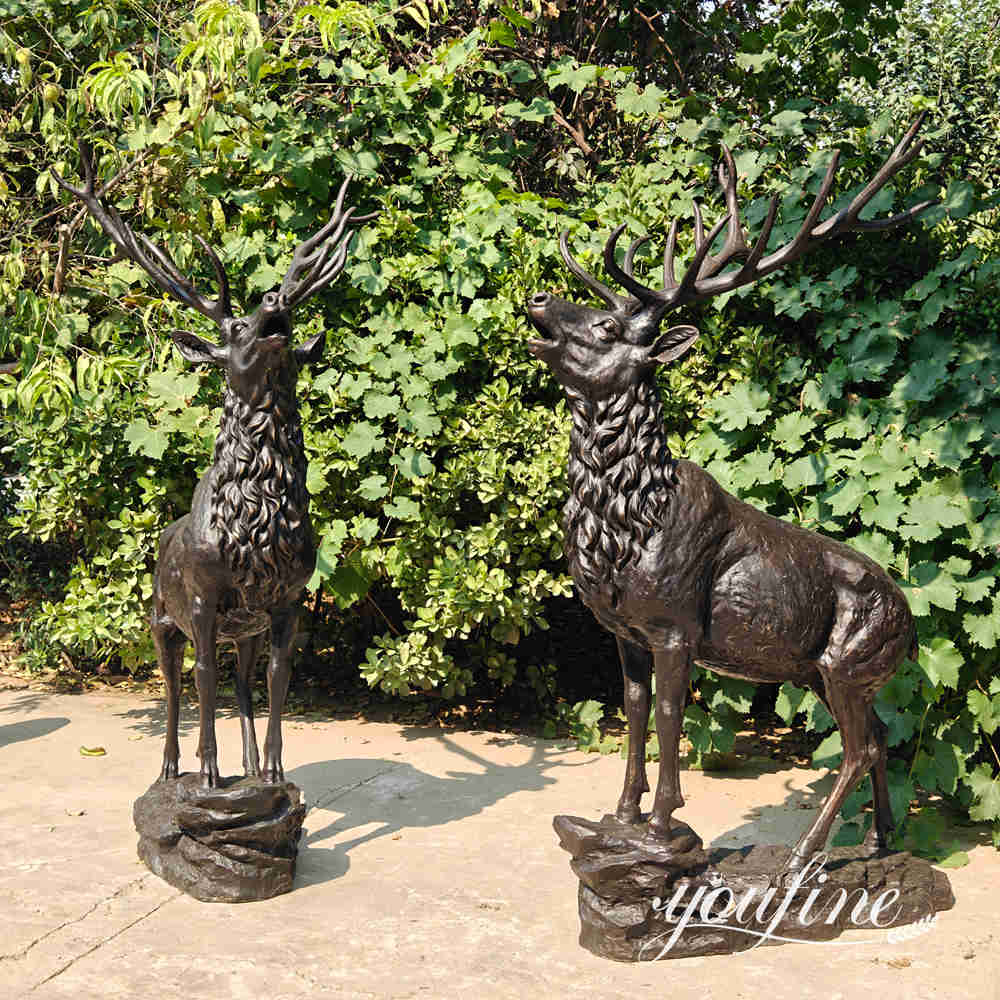
5. Ask About the Bronze Casting Process
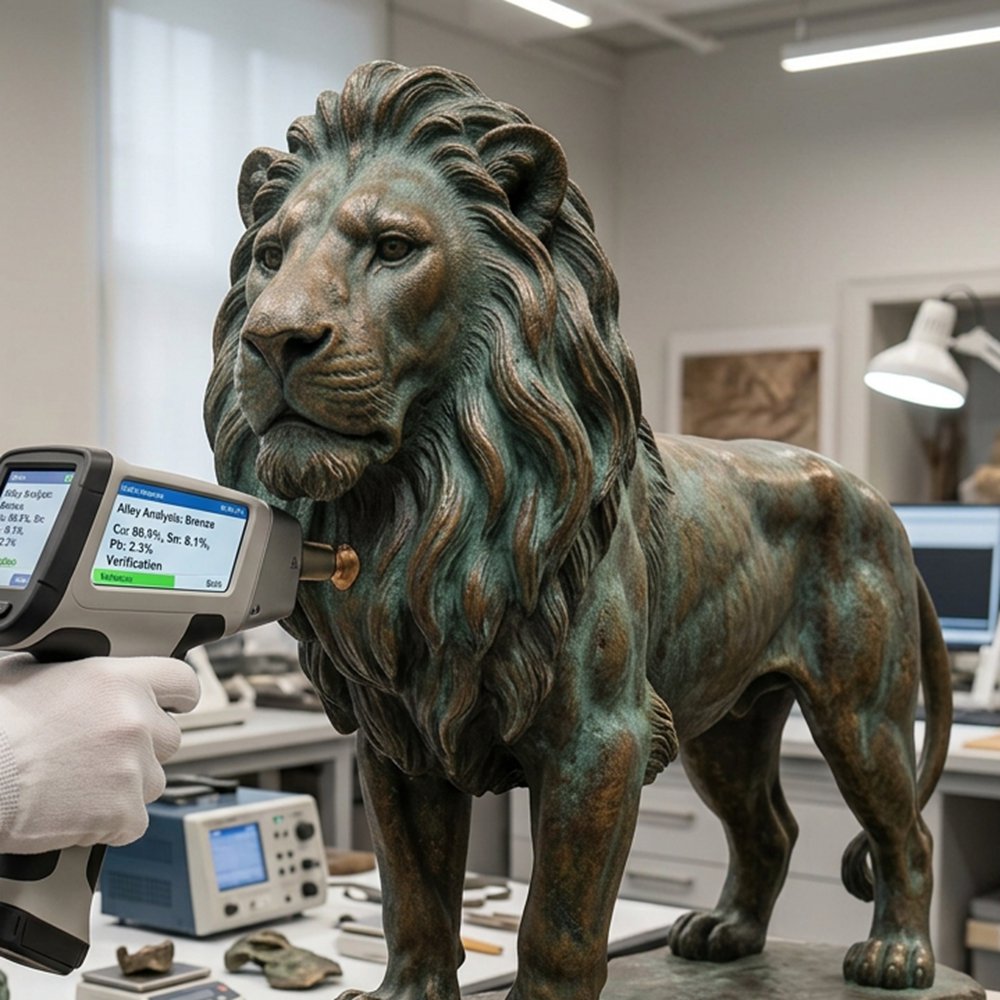
Fine animal details can easily be lost during casting if the mold and casting process are not well controlled.
Customers should pay attention to both the overall bronze thickness and the foundry’s ability to reproduce small details.
In our recent production, for example, we have used an improved silica sol casting process to help preserve finer textures and surface details during casting.
For realistic animal sculpture, this can be especially important around areas such as:
- Eyes
- Nose and mouth
- Fur texture
- Feathers
- Hooves
- Horns
- Claws
A good foundry should be able to explain how these details will be preserved rather than simply saying that it uses “high-quality bronze.”
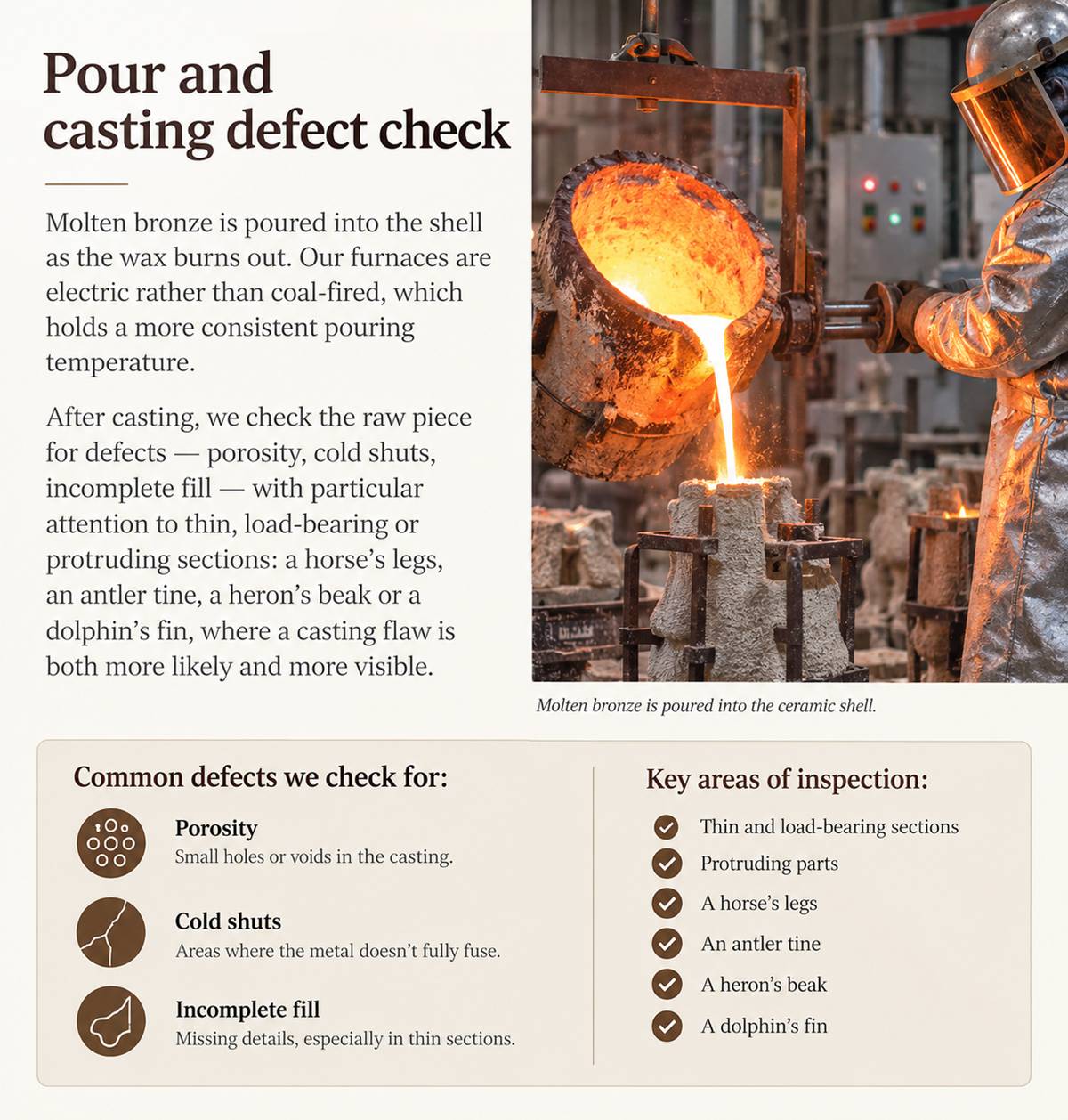
6. Confirm the Internal Structure and Installation Method Early
For large animal sculptures, structural planning should not be left until the sculpture is finished.
Dynamic poses can place considerable stress on a small number of contact points.
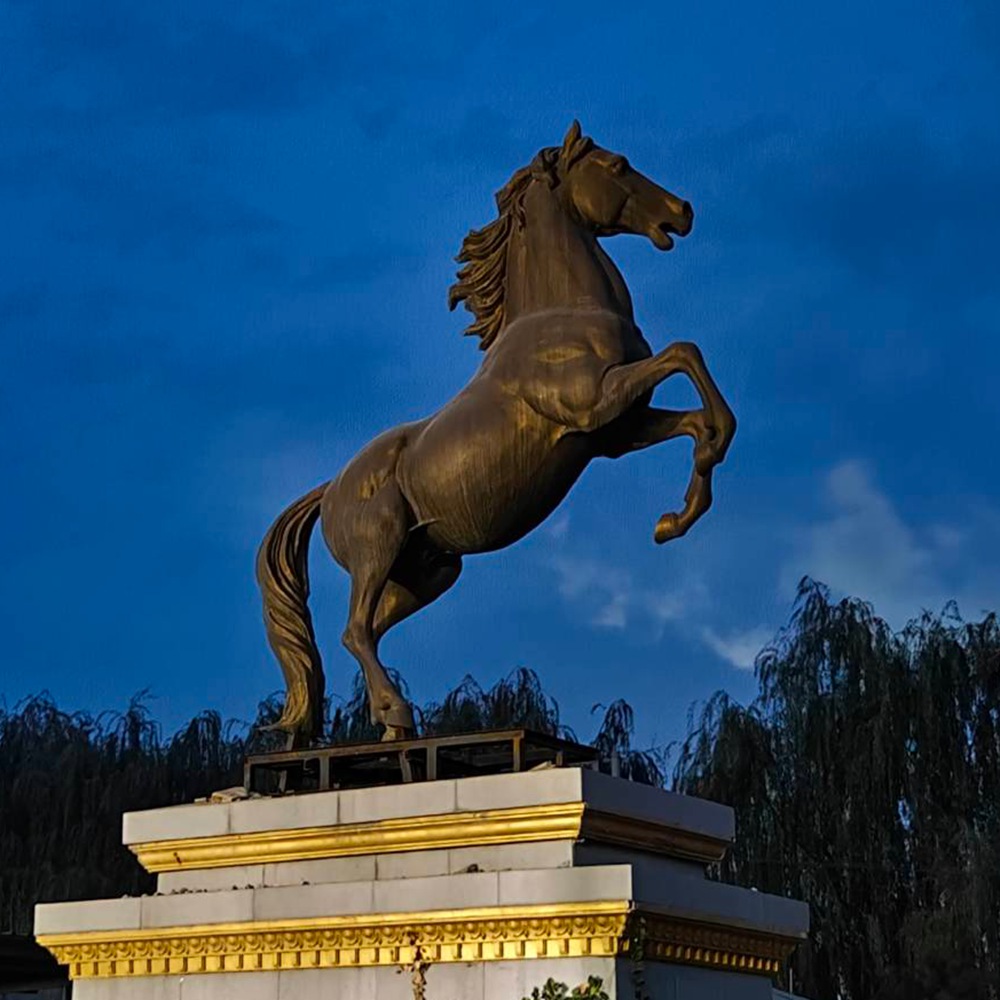
A rearing animal, standing bear, or large sculpture with extended legs may require a carefully designed internal support system.
Depending on the project, the structure may include:
- Stainless-steel internal frames
- Embedded fittings
- Flanges
- Anchor bolts
The installation method should ideally be discussed during the early stages of the order so that the sculpture, base, and site conditions can work together.
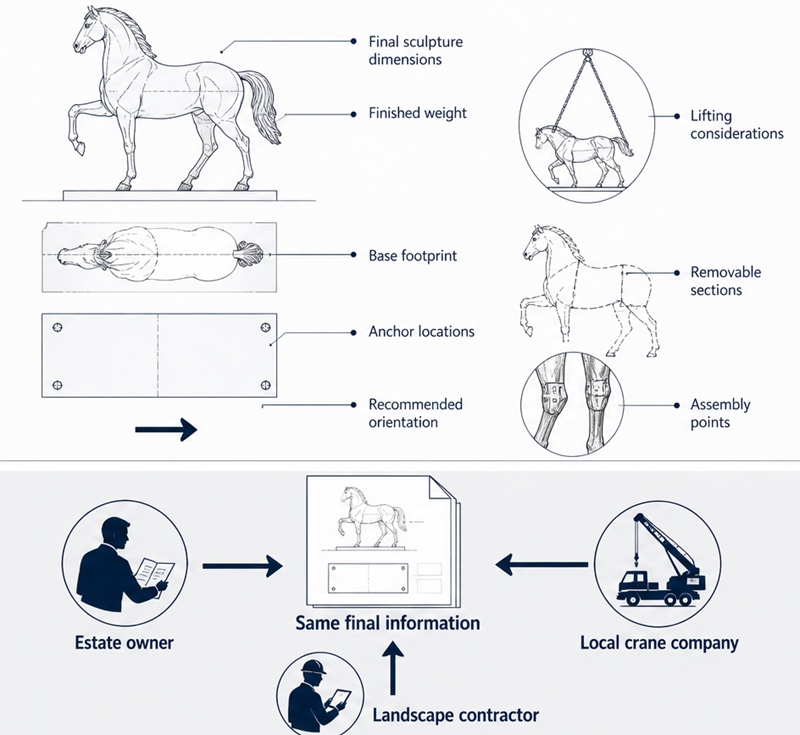
7. Understand What Is Included in the Quotation
When comparing foundry quotations, make sure you are comparing the same scope of work.
A quotation for a custom bronze animal sculpture may include:
- Bronze sculpture
- Mold
- Packing
- Base, if required
- Installation guidance
Transportation is often quoted separately. For highly customized projects, the clay model fee and bronze casting fee may also be listed separately.
This is useful because some experienced animal sculpture foundries already have molds or model data for commonly produced designs, such as walking horses or walking bears.
If an existing model is suitable, this may reduce or eliminate part of the new modeling cost. If the design is completely original, a new clay model will normally be required.
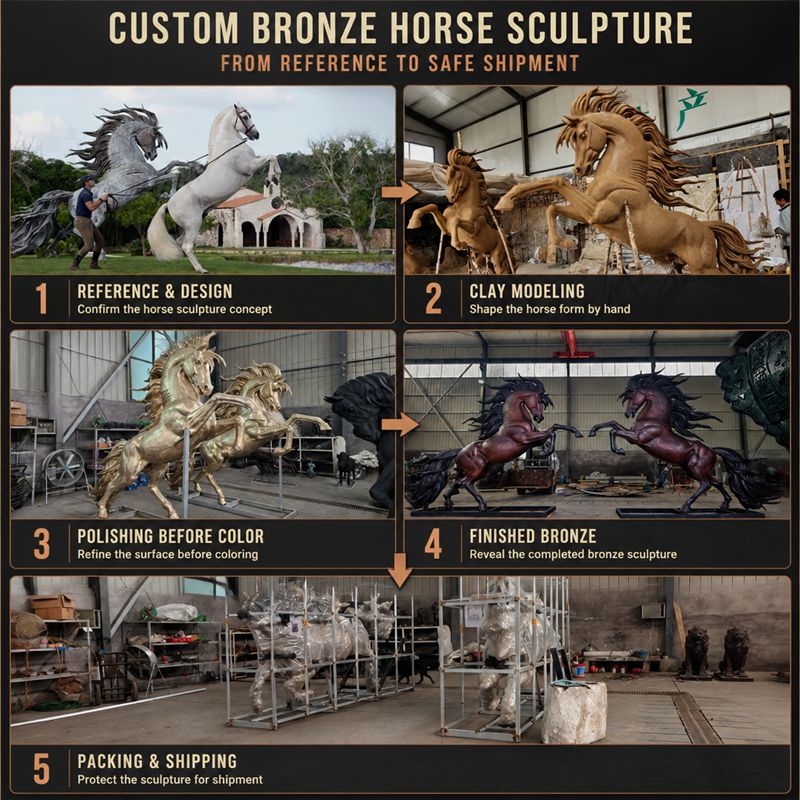
8. Ask How the Patina Will Be Approved
Patina can significantly change the character of an animal sculpture.
Before final finishing, it is useful to confirm the desired tone using a color sample or patina reference.
The final color should support both the sculpture itself and the surrounding environment.
For realistic wildlife, customers may prefer natural brown or darker bronze tones, while other projects may require a more distinctive finish.
The important point is that the color should be confirmed before shipment, rather than being treated as a minor finishing detail.

9. Be Realistic About Production Time
A fully customized bronze animal sculpture usually takes longer than a design that has already been produced many times.
As a general reference:
Highly customized bronze animal sculpture: around 35–60 days
Frequently produced animal sculpture: around 30–40 days
For custom projects, the modeling, modification, and approval stages may take several weeks before casting begins.
If the sculpture is required for an opening ceremony, anniversary, campus event, or scheduled installation, it is better to discuss the deadline before the order is confirmed.
10. Do Not Judge a Foundry by Price Alone
Price is important, but animal sculpture is highly dependent on modeling quality.
Two quotations may look similar on paper while producing very different results in:
- Anatomy
- Facial expression
- Muscle definition
- Fur texture
- Bronze thickness
- Casting detail
- Structural strength
- Patina quality
We have worked with customers who previously considered or used other suppliers but remained concerned about animal proportions and details.
One reason specialized animal sculpture teams can produce more consistent results is that their artists spend much of their time studying real animals, including anatomy, movement, muscles, and species-specific surface details.
For a sculpture intended to remain outdoors for many years, this experience can matter more than a small difference in the initial quotation.
Questions to Ask Before Choosing a Bronze Foundry
Before placing an order, consider asking:
- Can you show me similar animal sculptures you have already made?
- Can the pose, proportions, and details be customized?
- Will I approve the 3D model or clay model before casting?
- How do you preserve fine details during bronze casting?
- How will the sculpture be reinforced and installed?
- How will the patina color be confirmed?
- What exactly is included in the quotation?
- How long will the modeling and production process take?
These questions usually reveal much more than simply asking for the lowest price.
Final Thought
A good bronze animal foundry should do more than cast metal. It should understand how the animal is built, how it moves, how its surface should look, and how the sculpture will finally stand in its intended location. For custom animal sculpture, one of the best ways to evaluate a foundry is to review its previous animal projects, understand its approval process, and make sure important details are confirmed before casting begins.
That can reduce risk and make it much easier to achieve a final sculpture that feels both accurate and convincing.