Across civilizations and centuries, the tiger has captured human imagination as one of the most powerful and majestic animals on Earth. Known for its strength, agility, and commanding presence, the tiger has long symbolized courage, protection, and royalty in many cultures. Because of this powerful symbolism, tiger statues have been created around the world as works of art, cultural icons, and public monuments.
From ancient temples in Asia to modern sports stadiums in the United States, tiger sculptures appear in many forms and materials. Some represent historical legends, others celebrate local identity, and many simply express the beauty and strength of this magnificent animal. These statues are often installed in public parks, gardens, palaces, and city squares, becoming landmarks that attract visitors and photographers alike.
In this article, we explore some of the most famous tiger statues around the world and examine the cultural meanings behind them. We will also look at the materials and artistic styles used to create these impressive sculptures.
The Symbolism of Tiger Statues
Throughout history, the tiger has been one of the most powerful symbols in art and culture. Because of its strength, courage, and commanding presence, the tiger is often seen as a representation of authority, protection, and bravery. This symbolism explains why tiger statues appear in temples, palaces, gardens, and public spaces across many countries.
In Asian cultures, especially in China, Korea, and India, the tiger is often regarded as a guardian figure that can ward off evil spirits and protect important places. In mythology, it is frequently associated with warriors, kings, and powerful deities.
In modern times, tiger sculptures also appear in public art installations, sports venues, and city landmarks, where they symbolize local pride and cultural identity.
Because tiger symbolism varies across cultures and historical periods, it remains a fascinating subject in sculpture and art history. In a separate article, we will explore the deeper cultural meanings and traditions behind tiger statues in greater detail.
Famous Tiger Statues Around the World
Across different continents, tiger statues have become powerful landmarks that represent strength, courage, and cultural identity. From university campuses to historic palaces and city monuments, these sculptures celebrate the symbolic importance of the tiger in art and society.
Below are ten famous tiger statues around the world that have captured public attention and become iconic landmarks in their locations.
1. Oslo Tiger–The Symbol of Tigerstaden
One of the most famous tiger statues in Europe stands in front of the central railway station in Oslo. Known simply as the Oslo Tiger, the sculpture represents the city’s nickname “Tigerstaden,” which means “The Tiger City.”
The bronze statue was installed in the year 2000 to celebrate the city’s 1000th anniversary. The sculpture quickly became a popular landmark and meeting point for locals and tourists alike. Visitors often climb onto the statue or take photos beside it, making it one of the most photographed sculptures in Oslo.

2. Pench Tiger Reserve Statue
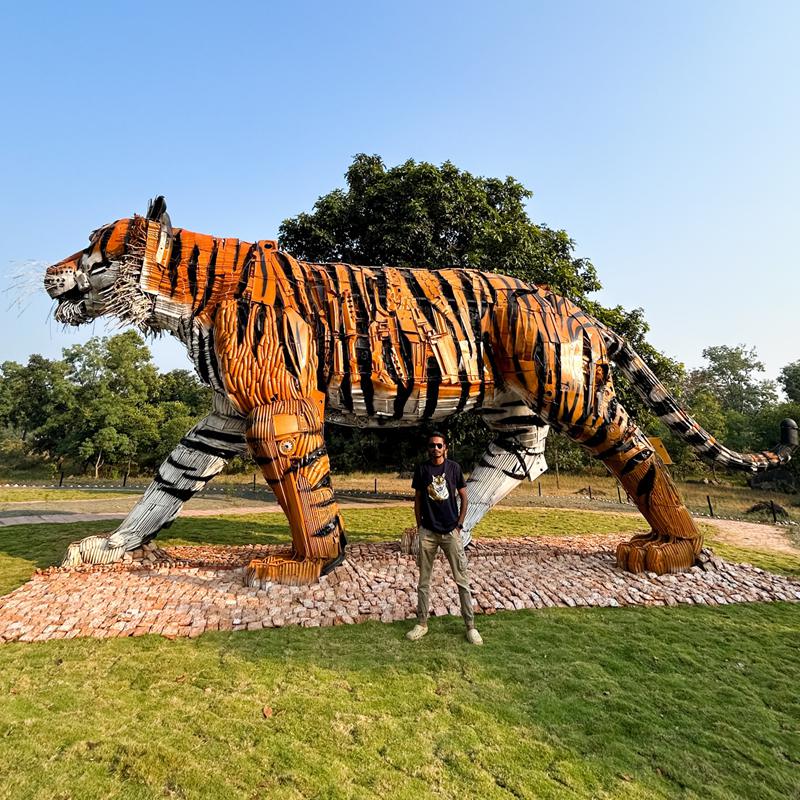
At the entrance of Pench Tiger Reserve stands a large tiger statue welcoming visitors to one of India’s most famous wildlife reserves.
The statue reflects the importance of tiger conservation in India. Pench Tiger Reserve is known for its rich biodiversity and for inspiring the setting of Rudyard Kipling’s famous jungle stories. The tiger sculpture symbolizes both wildlife protection and the region’s natural heritage.
3. Brenau University Golden Tiger
A striking golden tiger statue can be found on the campus of Brenau University in the United States.
The Golden Tiger represents the school’s athletic teams and school spirit. Located in a prominent area of campus, the statue has become a beloved symbol for students and alumni. During campus events and celebrations, it often serves as a gathering point for photographs and ceremonies.

4. Comerica Park Tiger, Detroit
Outside Comerica Park, home of the baseball team Detroit Tigers, several massive tiger statues guard the stadium entrances.
These sculptures are among the most recognizable sports-themed statues in the United States. Designed with powerful muscular forms and fierce expressions, they embody the competitive spirit of the Detroit Tigers. For fans, posing next to these giant tiger statues has become part of the game-day tradition.

5. Mysore Palace Tiger
The tiger has deep historical significance in the region surrounding Mysore Palace. The animal was closely associated with Tipu Sultan, the legendary ruler known as the “Tiger of Mysore.”
Throughout the palace complex and nearby areas, tiger statues and tiger-themed decorations can be found. These sculptures symbolize bravery, royal authority, and resistance. Today, they remain an important part of Mysore’s cultural identity and tourist attractions.

6. Princeton University Tiger
The tiger is the official mascot of Princeton University, and several tiger sculptures can be found across its historic campus.
These statues represent school pride and academic excellence. Students and visitors frequently take photos with the sculptures, and they have become iconic features of the university’s landscape.
The tiger imagery has been associated with Princeton for more than a century and remains one of the most recognizable college mascots in the United States.

7. University of Tulsa Tiger Statue
At University of Tulsa, the golden tiger statue stands proudly as the symbol of the university’s athletic teams, known as the Golden Hurricane.
The statue represents strength, determination, and school spirit. It has become a recognizable landmark for students, alumni, and sports fans visiting the campus.

8. Tiger Statue near Rukhabad Mausoleum
Near the historic Rukhabad Mausoleum, visitors can find a tiger statue that reflects the region’s deep historical connection with royal symbolism and wildlife imagery.
The sculpture blends traditional artistic styles with historical architecture, adding visual interest to the surrounding heritage site.

9. Bengal Tiger Statue at Rochester Institute of Technology
At Rochester Institute of Technology, a Bengal tiger statue proudly represents the university’s mascot.
The sculpture captures the powerful stance and energy of a Bengal tiger. It is one of the most photographed landmarks on campus and symbolizes determination, innovation, and school pride.

Materials Used in Tiger Statues
Bronze Tiger Statues
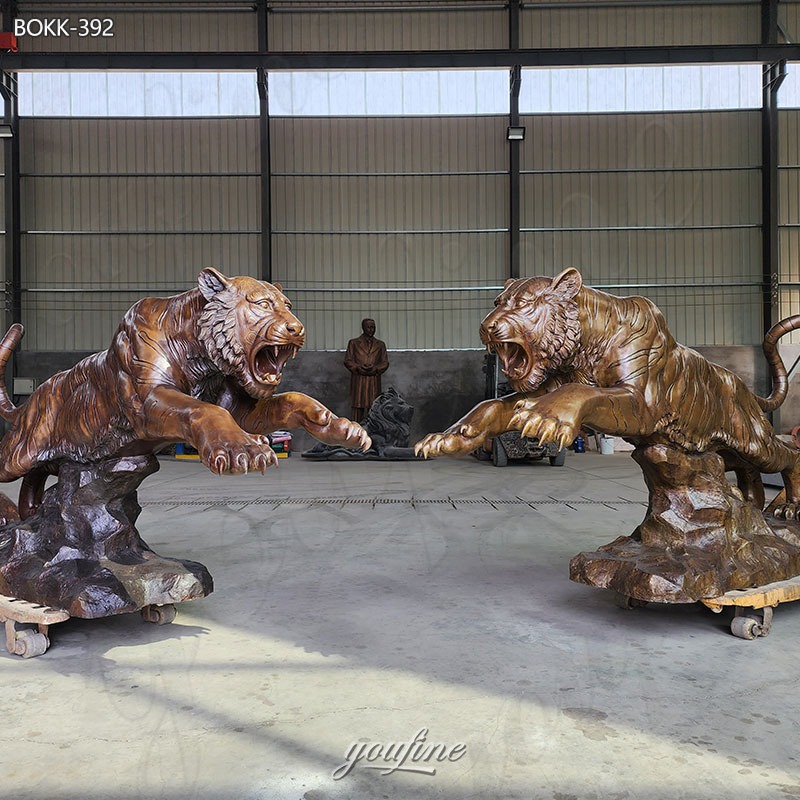
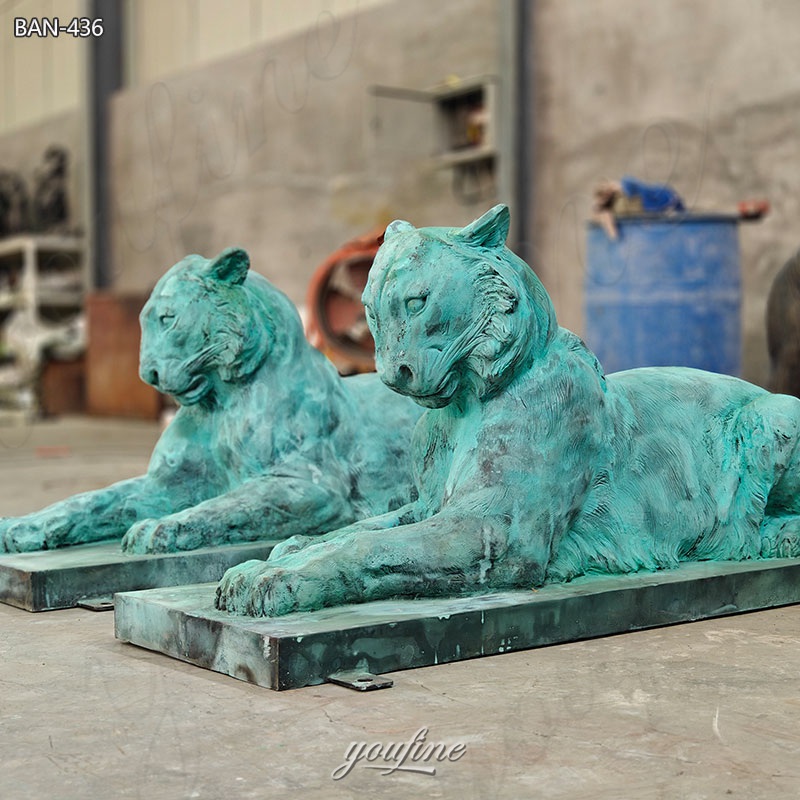
Bronze is one of the most popular materials for tiger sculptures. It has been used for centuries in fine art and public monuments due to its durability and classic appearance.
Bronze tiger statues can capture intricate details such as fur texture, muscle structure, and facial expression. Over time, bronze develops a natural patina that enhances the sculpture’s artistic character.
Because of its strength and weather resistance, bronze is commonly used for outdoor tiger statues in parks, plazas, and public buildings.
Marble Tiger Sculptures
Marble has long been associated with traditional sculpture and classical art. Marble tiger statues are often found in gardens, luxury estates, and historic architectural settings.
The smooth texture and elegant appearance of marble give tiger sculptures a timeless and refined quality. Skilled artisans can carve extremely detailed features from marble, creating lifelike representations of the animal.
Marble sculptures are especially popular in decorative landscaping and classical garden design.
Stainless Steel Tiger Sculptures
In modern public art, stainless steel has become increasingly popular. Stainless steel tiger sculptures often feature contemporary designs with smooth surfaces and reflective finishes.
These sculptures are frequently installed in modern city squares, commercial developments, and public art exhibitions. The reflective quality of stainless steel allows the sculpture to interact with sunlight and surrounding architecture, creating a striking visual effect.

Why Cities and Parks Install Tiger Statues
Tiger statues are more than decorative artworks. Many cities and institutions install them for cultural, symbolic, and economic reasons.
Cultural Identity
In regions where tigers have historical or cultural significance, statues help preserve traditional symbolism and heritage. They remind residents and visitors of the region’s history, legends, and artistic traditions.
Tourism and Landmarks
Large outdoor tiger sculptures often become tourist attractions. Visitors are naturally drawn to impressive animal statues, which frequently become popular photo spots and recognizable landmarks.
A well-designed tiger statue can significantly enhance the visual appeal of a park, plaza, or commercial district.
Public Art and Urban Design
Public sculptures help transform ordinary spaces into engaging environments. Tiger statues add energy and character to urban landscapes, making public areas more memorable and enjoyable.
Cities increasingly invest in large sculptures as part of cultural development and urban beautification programs.

Conclusion
From ancient legends to modern public art, tiger statues continue to inspire artists and captivate audiences around the world. These sculptures represent far more than decorative objects—they embody strength, courage, cultural identity, and artistic creativity.
Whether standing in front of historic palaces, decorating scenic parks, or welcoming fans to sports stadiums, tiger statues have become powerful symbols that connect art with culture and history.
As cities continue to invest in public art and landscape design, tiger sculptures will undoubtedly remain popular landmarks that celebrate one of nature’s most magnificent animals.