Across continents and civilizations, the bull has remained one of the most powerful animal symbols in human history. From ancient temples and mythological legends to modern financial districts and public art installations, bull statues appear in cities, plazas, and cultural landmarks around the globe.
But how many kinds of famous bull statues are there around the world?
The answer is more complex than a simple number. Bull statues can be categorized based on symbolism, historical background, artistic style, purpose, and material. Some represent economic strength, others embody religious devotion, while many serve as cultural monuments or contemporary artistic statements.
In this guide, we will explore the major types of famous bull statues worldwide and examine what makes each category unique.
Why Bull Statues Remain So Popular Worldwide
Several reasons explain the global popularity of bull sculptures:
- Universal symbolism of strength and prosperity
- Powerful physical form ideal for large-scale sculpture
- Strong visual impact in public spaces
- Cultural adaptability across continents
- Timeless relevance from ancient history to modern finance
Few animal symbols carry such consistent cross-cultural meaning.
Financial & Market Symbol Bull Statues
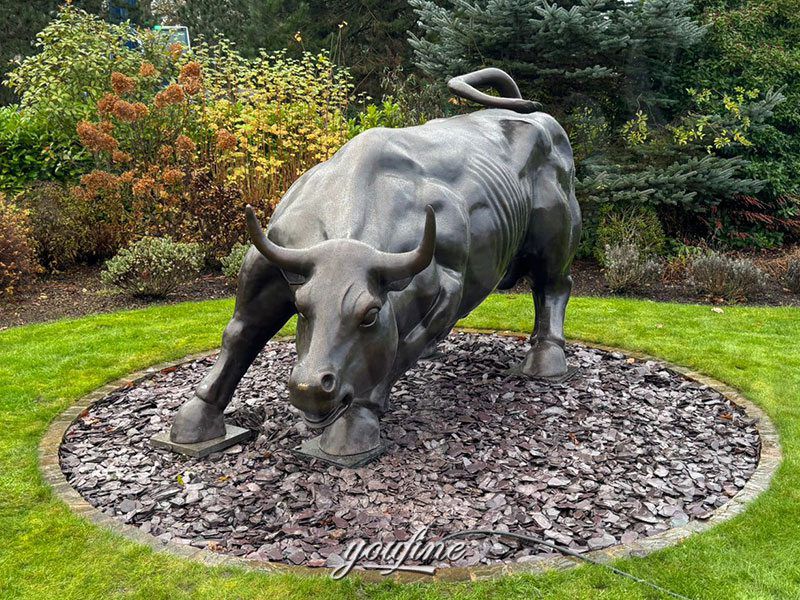
Perhaps the most globally recognized category is the financial bull — a symbol of economic optimism and market growth.
The most iconic example is the Charging Bull in New York City. Installed near Wall Street in 1989, this powerful bronze sculpture represents aggressive financial growth and market confidence. With its lowered head, muscular tension, and forward motion, it visually communicates strength and determination.
The influence of this sculpture has spread worldwide. Many financial centers have installed similar bull statues to project economic ambition and stability. For example:
Bund Bull in Shanghai
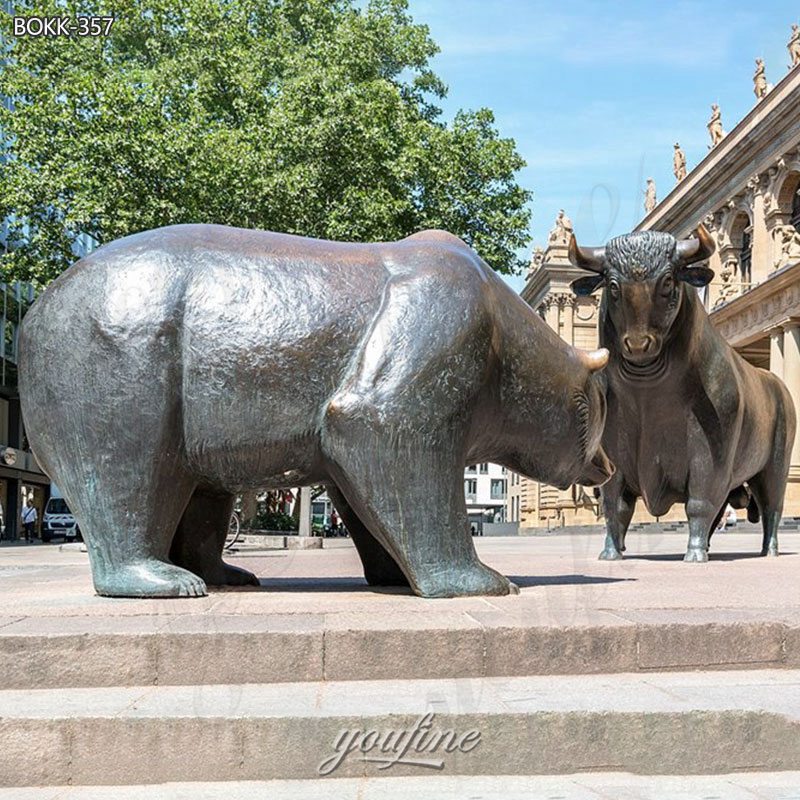
Financial district bulls in cities like Frankfurt and Shenzhen
Key Characteristics of Financial Bulls:
- Charging or aggressive posture
- Emphasis on muscular anatomy
- Cast in bronze for permanence
- Installed in financial or business districts
This is arguably the most replicated type of bull statue in the modern world.

Cultural & Historical Bull Monuments
Long before financial markets adopted the bull as a symbol, ancient civilizations carved bulls to represent power, protection, and territorial identity.
One of the oldest examples is the Bulls of Guisando in Spain. These granite sculptures date back to the pre-Roman Vettones culture and are believed to have marked territory or symbolized protection.
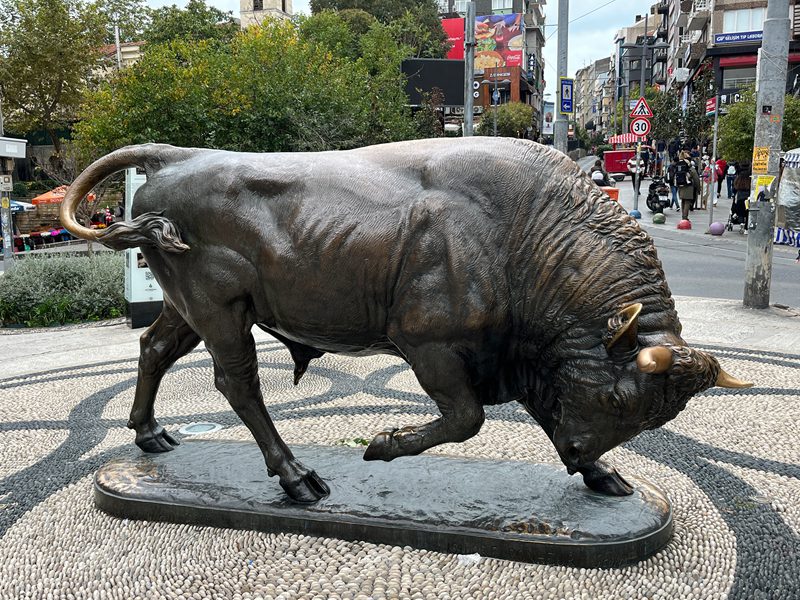
Similarly, the Kadıköy Bull Statue in Istanbul has become a beloved urban symbol. Originally created in the 19th century, it now serves as a popular meeting point and cultural landmark.
Features of Cultural Bull Statues:
- Often carved from stone
- Linked to regional identity
- Serve as long-standing public monuments
- Reflect agricultural heritage or tribal symbolism
These sculptures demonstrate that bull imagery predates modern interpretations and remains deeply rooted in human civilization.
Religious & Mythological Bull Statues
In many religions and mythologies, the bull represents divine strength and sacred authority.
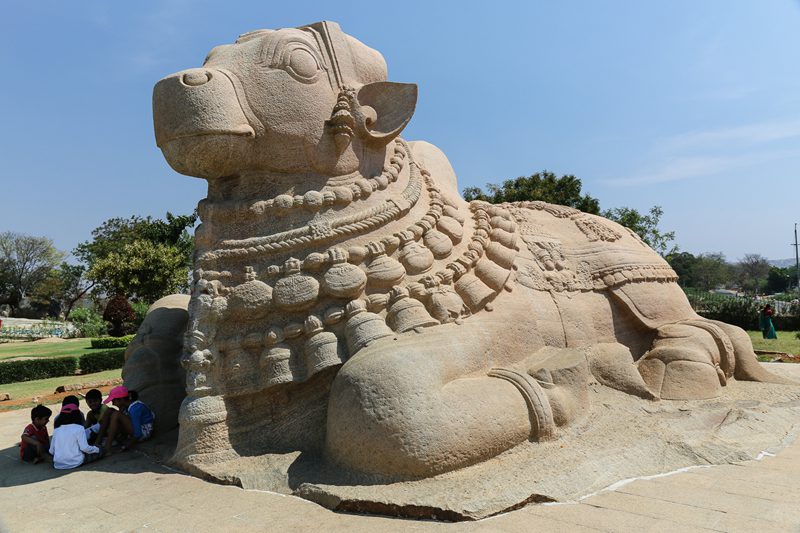
In Hindu tradition, Nandi is the sacred bull and vehicle of Lord Shiva. Nandi statues are placed at the entrance of Shiva temples throughout India, symbolizing loyalty, protection, and spiritual power. These sculptures are often carved from stone or cast in bronze and hold deep religious significance.
In ancient Egypt, the Apis Bull was worshipped as a sacred deity associated with fertility and strength. Statues and carvings of the Apis bull have been discovered in temples and tombs, highlighting the animal’s divine status.
Greek mythology also presents the legendary Minotaur, a creature with the body of a man and the head of a bull. Although not a pure bull, sculptures depicting the Minotaur reflect the symbolic fusion of human intelligence and animal power.
Common Characteristics:
- Symbol of divinity or sacred guardianship
- Often placed in temples or sacred sites
- Highly stylized or symbolic representation
- Deep cultural and spiritual meaning
This category reflects the bull’s role beyond physical strength — as a sacred and mythical being.
Urban Landmark & Public Art Bull Sculptures
In many modern cities, bull statues function as landmark sculptures that define public space and create identity.
Beyond Wall Street, numerous cities commission large-scale bull sculptures to attract tourism and symbolize local pride. These bulls may not be directly connected to finance or religion but serve as iconic city emblems.
For example, the Cimbrian Bull in Denmark reflects regional heritage and agricultural tradition.
Urban landmark bulls typically:
- Stand in city squares or parks
- Are designed for public interaction
- Become photo destinations
- Represent civic pride
These sculptures blend artistic expression with community symbolism.
Agricultural & Ranch-Themed Bull Statues
In rural and agricultural regions, bull statues often celebrate livestock heritage and ranching culture.
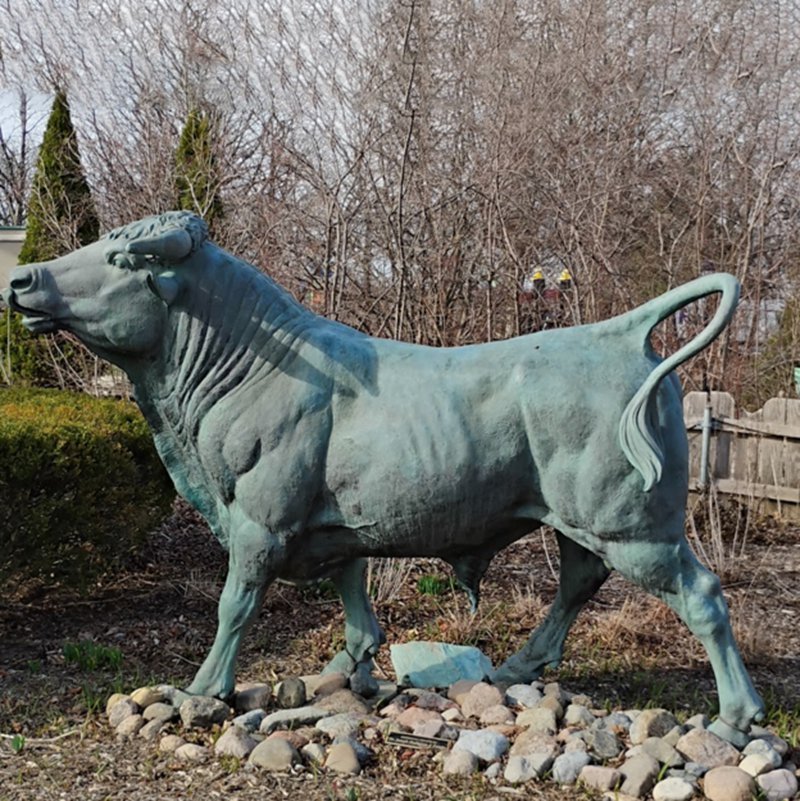
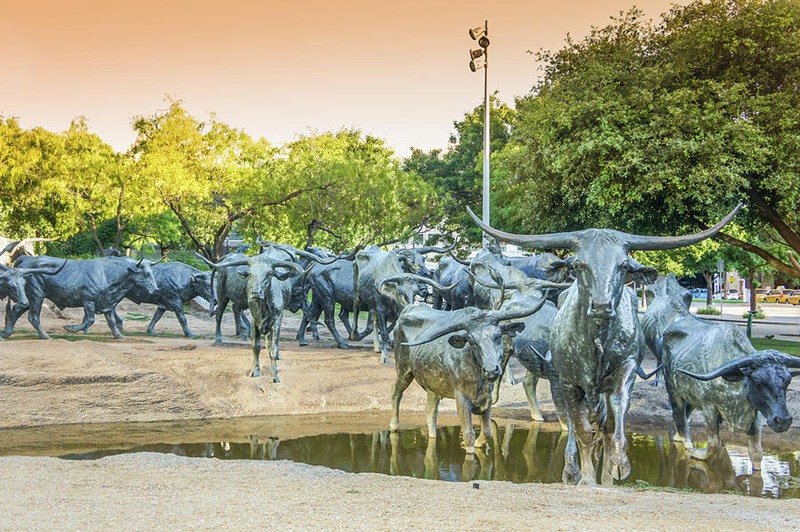
In the United States, large sculptures of Texas Longhorn bulls are popular in ranching states such as Texas. These sculptures emphasize the natural anatomy, impressive horns, and strength of the animal.
Unlike financial bulls, agricultural-themed statues focus on realism rather than aggression. They often depict:
- Standing or grazing poses
- Natural proportions
- Farm or countryside settings
These sculptures honor the economic importance of cattle farming and rural identity.
Contemporary & Abstract Bull Sculptures
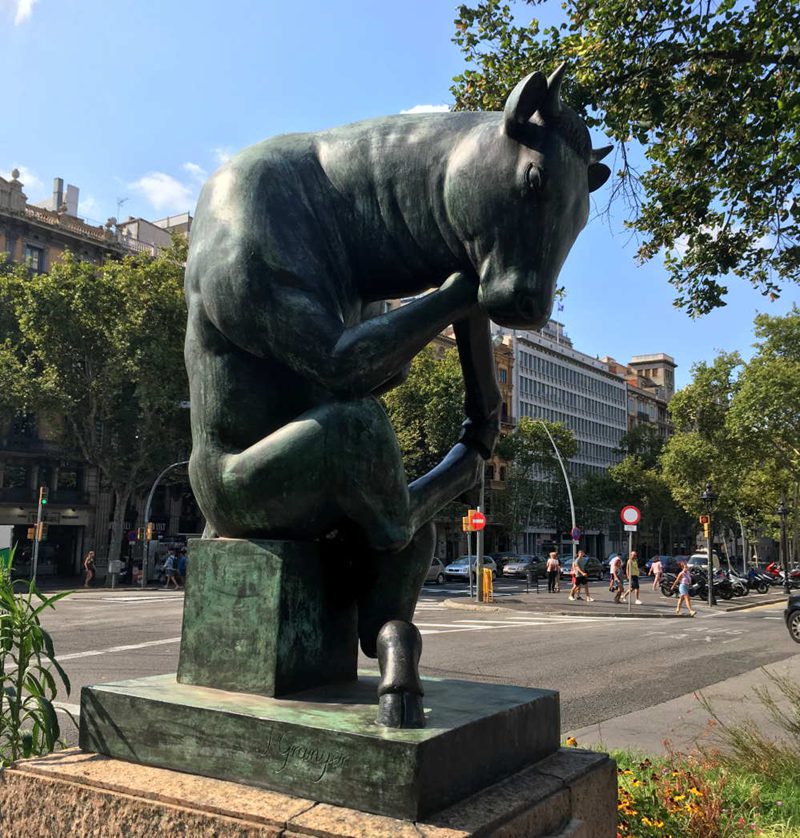
In the world of contemporary art, bull statues often move beyond realism into abstraction.
Modern sculptors experiment with:
- Stainless steel mirror finishes
- Geometric fragmentation
- Hollow or wireframe structures
- Minimalist silhouettes
- Anthropomorphic bull sculpture
These artworks may be displayed in galleries, sculpture parks, or commercial developments. Unlike traditional monuments, contemporary bulls prioritize artistic interpretation over literal symbolism.
Such sculptures highlight the adaptability of the bull image in modern design language.
Classification by Material
Another way to understand the diversity of bull statues is by material.
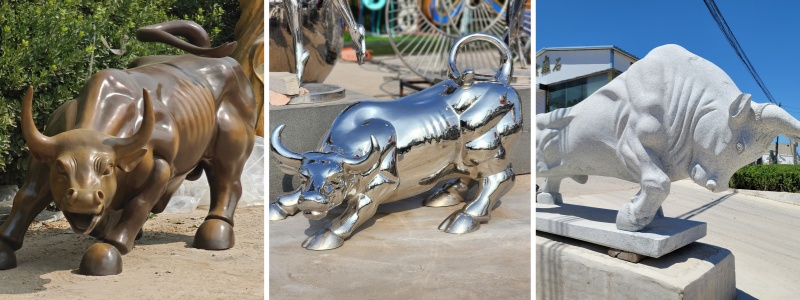
- Bronze Bull Statues: Bronze remains the most popular material for outdoor bull sculptures due to durability, detail retention, and timeless aesthetic. Most famous financial bulls are cast in bronze.
- Stone Bull Sculptures: Stone bulls often belong to ancient or historical categories. Granite and marble examples reflect early craftsmanship and monumental permanence.
- Stainless Steel Bulls: Modern cities increasingly commission stainless steel bulls for their reflective surface and contemporary appeal.
So, How Many Types of Famous Bull Statues Exist?
While there is no exact number, famous bull statues can generally be grouped into at least six major categories:
- Financial & Market Bulls
- Cultural & Historical Bulls
- Religious & Mythological Bulls
- Urban Landmark Bulls
- Agricultural & Ranch Bulls
- Contemporary & Abstract Bulls
Each type reflects different values — economic power, spiritual devotion, cultural heritage, artistic experimentation, or civic identity.
As more cities and private collectors commission large-scale animal sculptures, new variations continue to emerge.
Conclusion
From the legendary Charging Bull in New York to the ancient Bulls of Guisando in Spain, bull statues have evolved across centuries while retaining their core symbolism of power and resilience.
Whether standing in financial districts, temple courtyards, rural landscapes, or modern art plazas, bull sculptures continue to inspire admiration and respect.
Their forms may change — charging, standing, abstract, sacred — but their message remains universal: strength, endurance, and forward momentum.
As global cities expand and public art becomes more prominent, the bull will undoubtedly remain one of the most commissioned and celebrated animal sculptures in the world.