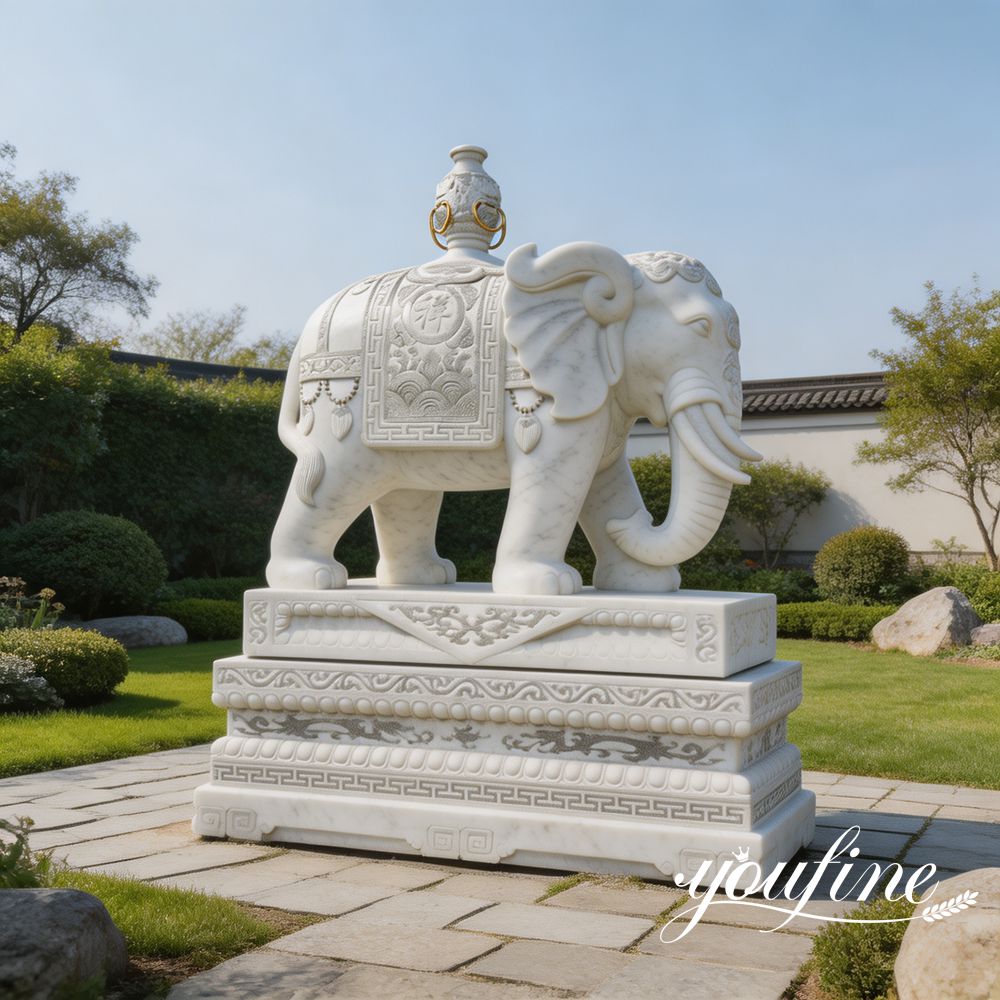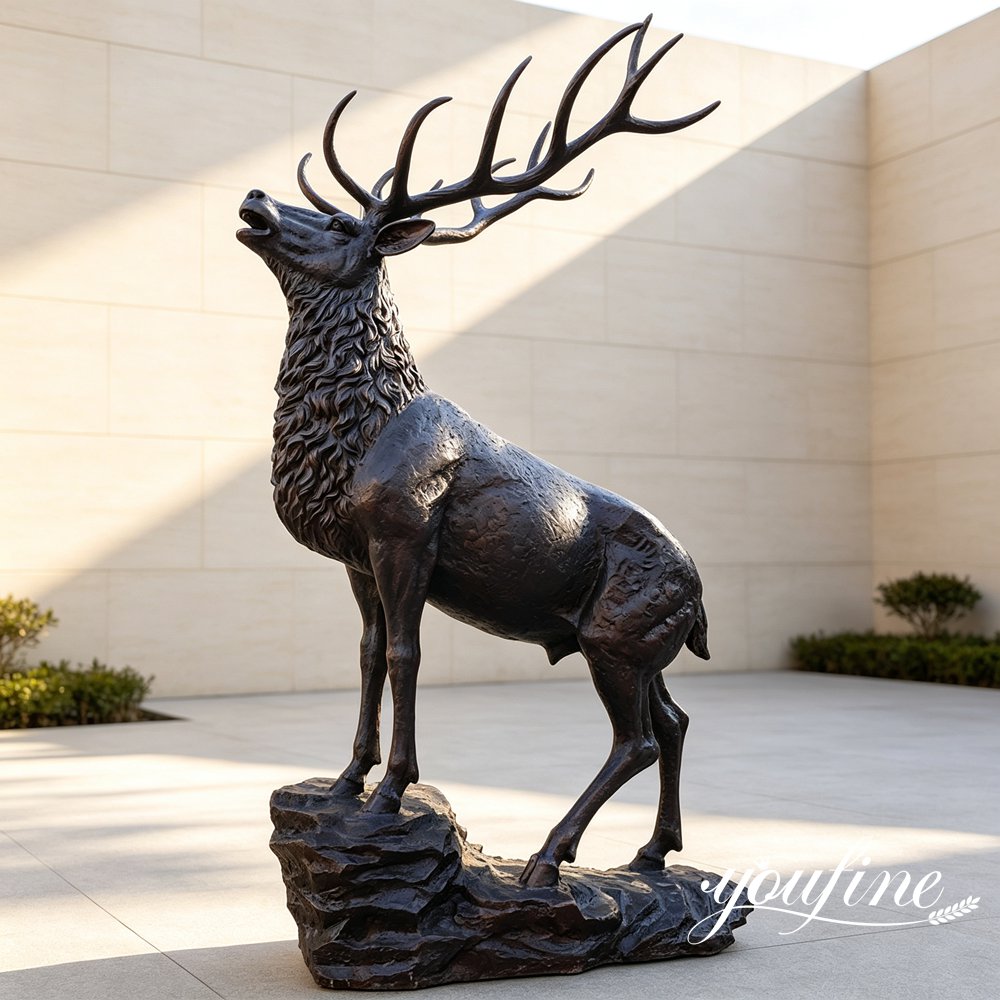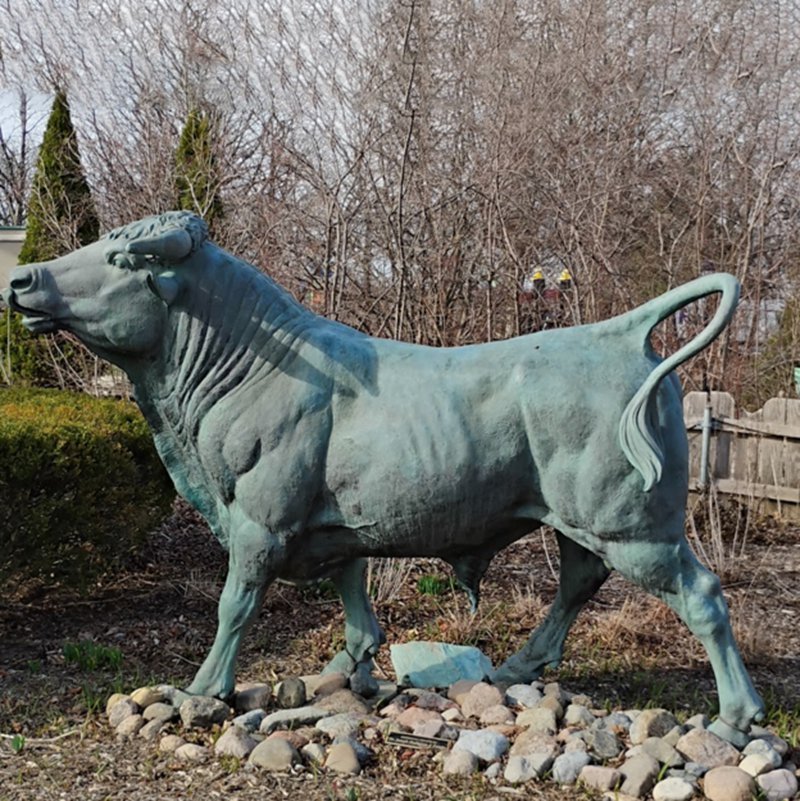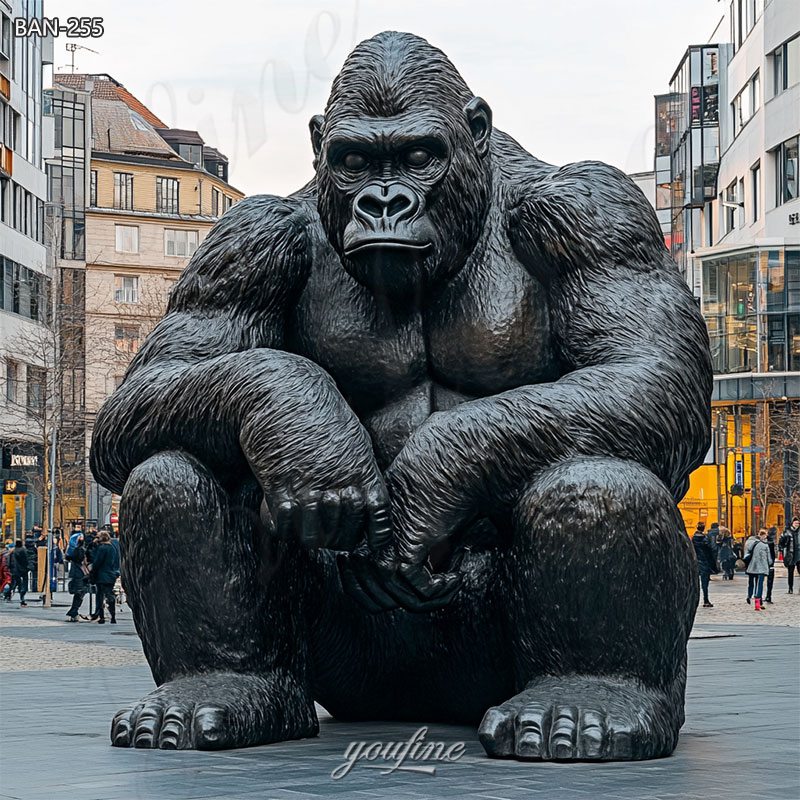
Yes. Bronze statues have been valued for thousands of years. From ancient bronze artifacts to modern bronze sculptures, from private collections to city landmarks, and from garden decoration to religious heritage, bronze sculptures can be found almost everywhere.
Today, bronze sculpture remains one of the most popular choices for collectors, landscape designers, architects, and public art projects. Its value comes not only from the material itself but also from its artistic beauty, durability, and long-term investment potential.

Why Are Bronze Statues Valuable?
1. Decoration — Timeless Aesthetic Value
A bronze sculpture is much more than a decoration. Whether displayed in a private garden, hotel lobby, city square, or luxury estate, it instantly enhances the artistic atmosphere of the space.
Compared with many modern materials, bronze statues have a rich metallic texture and develop a unique patina on the surface over time.
The realistic appearance and unique touch feel are why bronze animal sculptures, fountains, and public artworks remain popular worldwide.
2. Scarcity — Collection and Investment Value
Many valuable bronze sculptures are produced in limited editions or handcrafted by experienced artists. Unlike mass-produced decorative products, high-quality bronze sculptures require clay modeling, mold making, lost-wax casting, welding, chasing, and patina finishing. Every step demands skilled craftsmanship, making each sculpture unique. The rarer the artwork and the more famous the artist, the higher its collectible value. So, do ordinary bronze artworks have collectible value? High-quality bronze sculptures, made by hand, can also have collectible value if properly preserved.
3. Natural Patina — Value Increases with Time
One of bronze’s greatest advantages is its natural patina.
As the bronze ages, its surface gradually develops beautiful brown, green, or dark bronze tones. This protective layer not only enhances the sculpture’s appearance but also improves its resistance to weather, which can last longer than other sculptures.
4. A History of More Than 4,000 Years
Bronze has been used for sculpture and artwork for over four thousand years.
From ancient civilizations to today’s public monuments, bronze has remained one of the most trusted artistic materials because of its durability and timeless beauty. One bronze sculpture can last longer than 100-300 years.
Many famous bronze sculptures created centuries ago are still displayed in museums, parks, and city squares around the world. The famous bronze animal statues, like China’s “Flying Horse of Gansu” and the Bronze Statue of the She-Wolf of Rome.
5. Excellent Long-Term Value
Although the initial cost of bronze sculptures may be higher than that of certain other decorative materials, they offer exceptional long-term value.
With proper maintenance, bronze sculptures are incredibly durable; they withstand harsh outdoor environments—whether rainy climates, deserts, or coastal areas—and rarely require replacement.
For homeowners, collectors, and commercial projects alike, bronze is undoubtedly one of the most cost-effective materials for sculpture.

Is Bronze Really Expensive?
| Material | Initial Cost | Lifespan | Maintenance | Replacement Cost | Long-Term Value |
| Bronze | Medium | 100–300+ Years | Low | Very Low | ⭐⭐⭐⭐⭐ Excellent |
| Marble | High | 80–200 Years | Medium–High | High | ⭐⭐⭐⭐ Very Good |
| Stainless Steel | Medium–High | 50–100+ Years | Low | Medium | ⭐⭐⭐ Good |
| Brass | Medium | 30–80 Years | Medium | Medium | ⭐⭐ Fair |
In my opinion, for sculpture, bronze is not the cheapest material, but it is one of the most cost-effective long-term materials.
Bronze is widely selected for high-end architectural decoration and public art installations. In the sculpture industry, it has become the preferred material because it combines strength, beauty, and durability.
Compared with other common sculpture materials, bronze offers one of the best balances between cost and long-term value.
Is Bronze More Expensive Than Gold?
No.
Gold is a precious metal with an extremely high market value and is rarely used for large sculptures because of its cost and softness.
Bronze, however, is an industrial alloy mainly made of copper and tin. It is much more affordable while providing excellent strength and casting performance.
Is Bronze More Expensive Than Silver?
No.
Silver is also a precious metal and is generally much more expensive than bronze.
It is commonly used for jewelry and small decorative objects rather than large sculptures.
Bronze is far more practical for bronze sculptures and bronze animal sculptures because it is durable, weather-resistant, and much more economical.
Bronze is not considered expensive when compared with gold or silver. Instead, its real value comes from its durability, artistic quality, and long service life.
As the bronze ages, it develops a natural patina that makes every sculpture even more beautiful over time.
What Determines the Cost of a Bronze Sculpture?
The cost of a bronze sculpture depends on much more than the material itself.
Size
Different sizes of bronze statues have different prices for your final choice. The same size is a moving object sculpture, for example, a medium marble animal statue, 4 feet scale sculpture, more expensive than 3 feet, which is about $1000.
Artist and Design
Original sculptures designed by well-known artists usually command higher prices.
Custom sculptures also require additional time for clay modeling, revisions, and design approval before production begins.
Casting Process
The production method has a significant impact on quality and cost. Traditional lost-wax casting requires multiple handcrafted steps, including mold making, wax modeling, bronze pouring, welding, chasing, and surface finishing. Although it takes longer, this process produces stronger structures and finer details than simpler casting methods.
Finish and patina
The surface coloring and patina coloring are the same as in the image. Floating coloring techniques are used in Japanese color selection.
Foundry
A foundry’s experience directly impacts the final quality and cost of a bronze sculpture. Experienced sculptors and artisans can preserve lifelike textures and intricate details—qualities often overlooked by less experienced factories.
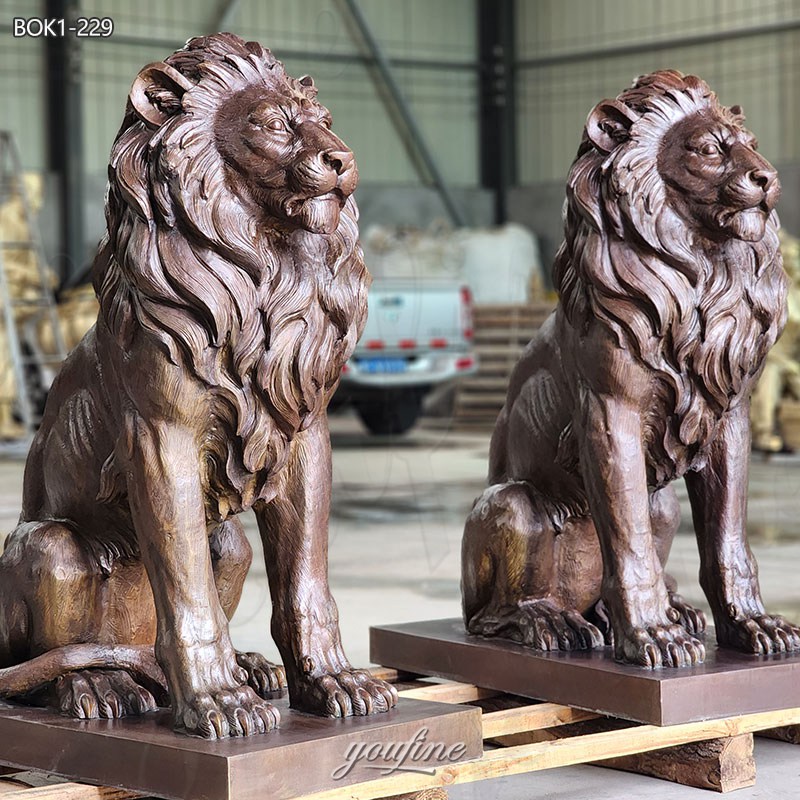
One can instantly distinguish the animal sculptures created by apprentices from those crafted by professional artisans—judging by everything from the structural modeling and the handling of key details to the finishing of surface pinholes. For example, bronze animal sculptures crafted by experienced artisans feature lifelike musculature and realistic fur.
Of course, finding a reliable foundry for your sculpture is also essential. YouFine is the reliable foundry, which have experienced artisans ensure high-quality casting and long-term durability.

Which Bronze Sculptures Hold Their Value Best?
Not every bronze sculpture has the same investment potential.
The following types generally retain their value best:
Limited edition sculptures
Sculptures created by well-known artists
Bronze animal sculptures with exceptional craftsmanship
Large public sculptures and monuments
Historical and religious sculptures
Museum-quality bronze castings
High-quality workmanship, artistic originality, and durable materials are the three most important factors influencing long-term value.
How to Choose a Valuable Bronze Sculpture
If you want a bronze sculpture that will last for generations, consider the following points:
Choose the traditional lost-wax casting process.
Select high-quality bronze materials.
Check the surface finish and natural patina.
Choose an experienced foundry with skilled artisans.
Review previous projects and customer feedback before purchasing.
At YouFine, every bronze animal statue is handcrafted by experienced artisans using the traditional lost-wax casting method. From clay modeling to the final patina, every step is carefully controlled to ensure museum-quality craftsmanship and lasting value.
FAQ:
What is Bronze Sculpture Value?
Bronze sculptures are valuable because they combine durability, artistic expression, and long-term investment value. A well-made bronze sculpture can last over 100–300 years with minimal maintenance, making it one of the most cost-effective materials for public art and luxury landscape projects
Which Bronze Sculpture Is Best for Investment?
The best bronze sculptures for investment are those with strong artistic quality, limited production, and long-term durability.
Is Bronze Sculpture a Good Long-Term Investment?
Yes. Bronze sculpture is considered a strong long-term investment because it is highly durable, requires very low maintenance, and retains its artistic and collectible value over time.